
‘In this new car, I feel patronised’: which driver assistance systems actually improve safety?

Modern vehicles are increasingly equipped with Advanced Driver Assistance Systems (ADAS), such as lane-keeping assist and autonomous emergency braking, designed to enhance road safety. While statistical data suggests these technologies contribute to a significant decline in traffic fatalities, they have sparked a debate regarding driver autonomy and user experience. Critics argue that some systems are overly intrusive, poorly calibrated, or prone to false positives, which can lead to driver frustration and even dangerous situations. Furthermore, recent research indicates that over-reliance on these aids may degrade manual driving skills and increase complacency. As regulatory bodies like the Australasian New Car Assessment Program (ANCAP) move to standardize and improve interface design, the automotive industry faces the challenge of balancing safety-critical automation with the need for intuitive, non-distracting human-machine interaction. The future of driving remains a tension between the promise of autonomous safety and the preservation of human control.
This is a summary. Read the full article at the original source:
The Guardian TechnologyRelated stories
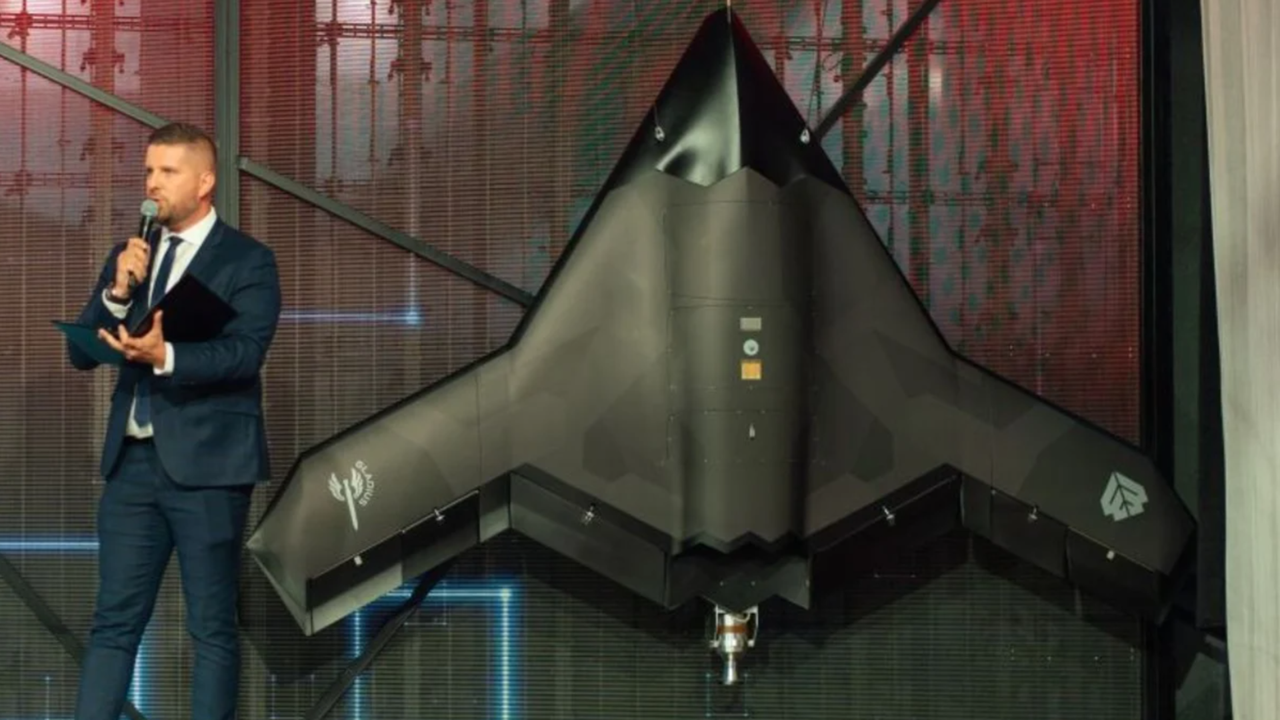
New Polish jet-powered drone looks a lot like a miniature B-2 Spirit stealth bomber, and there's a good reason why
Polish defense manufacturer WB Group has unveiled the Gladius 2, a new jet-powered loitering munition featuring a distinct flying-wing design reminisc…

The Ukrainian Navy has reported the first recorded combat engagement between two autonomous naval drones in the Black Sea. According to reports, a Ukr…

The Roborock Qrevo S5V robot vacuum is currently available at its lowest price ever, with a $400 discount on Amazon. Originally priced at $899.99, the…