
Humans Watched This Supernova Explode Nearly a Millennium Ago. Now You Can See It in High Definition

A new high-definition image of the Crab Nebula, captured by the James Webb Space Telescope, offers astronomers a fresh perspective on a supernova event that was first observed by human civilizations in 1054 AD. This historic celestial explosion, which remained visible to the naked eye for weeks, continues to be a subject of intense scientific study. The latest imagery provides unprecedented detail of the nebula's complex structure, including the remnants of the star's core and the intricate filaments of gas and dust ejected during the blast. Researchers believe these high-resolution observations are crucial for understanding the mechanisms behind stellar deaths and the subsequent formation of neutron stars. By analyzing the composition and expansion patterns revealed in the new data, scientists hope to uncover how the star survived its initial collapse and how it continues to influence its surrounding environment nearly a thousand years later.
This is a summary. Read the full article at the original source:
WiredRelated stories
A recent study published in Nature challenges the long-standing belief that psychedelics induce pure chaos in the human brain. While previous research…

Optogenetics, which recently won the Nobel Prize in Medicine and Physiology, is a revolutionary method for controlling neuronal activity using light.…
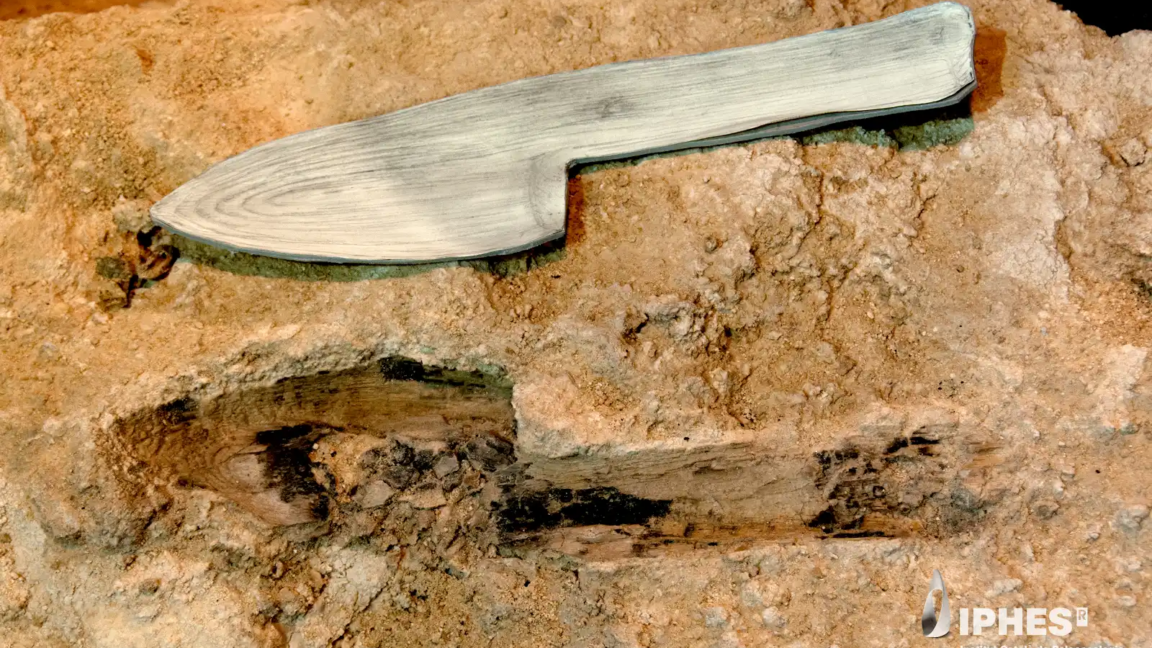
Archaeologists have discovered a significant collection of 597 wooden artifacts at the Abric Romaní rock shelter in Spain, dating back 62,000 to 40,00…