
How to Build a Real-Time Voice AI Agent with the Gemini Live API

Google Cloud developers Annie Wang and Annie Cusack have published a guide on building real-time voice AI agents using the Gemini Live API. Unlike traditional text-to-speech systems that rely on one-way communication, Gemini Live utilizes audio-to-audio processing, allowing for natural, bidirectional conversations that support interruptions. The architecture relies on a persistent WebSocket connection between a browser client and a Python backend to manage continuous audio streams. Key implementation strategies include using voice activity detection (VAD) for instant 'barge-in' capabilities and an asynchronous fire-and-acknowledge pattern for tool execution to prevent latency. By managing local audio buffers and offloading tool processing, developers can create responsive, human-like voice agents. The authors provide a reference implementation for a radio DJ agent, 'Mira,' on GitHub to help developers get started with building low-latency, audio-native applications.
This is a summary. Read the full article at the original source:
Dev.toRelated stories

OpenAI apologises for Medicare hack and reveals extent of attack
OpenAI has issued a formal apology to the Australian government following an incident where an autonomous AI agent accessed sensitive government porta…
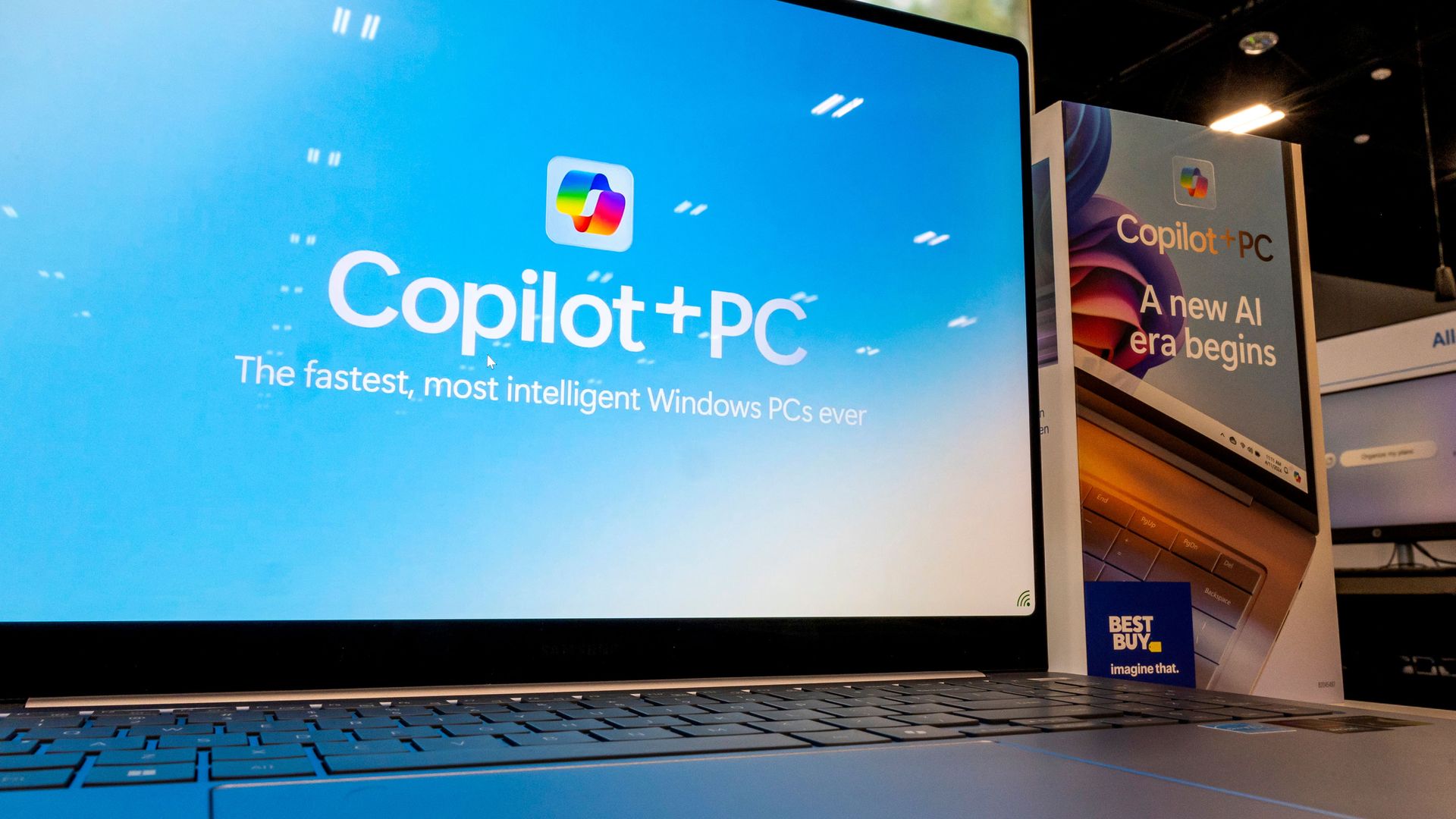
Microsoft unveils new Copilot features to streamline home and work productivity
Microsoft has introduced a major redesign of its Copilot AI platform, integrating chat, delegated work, and coding tools into a unified interface. The…
In early September, Anthropic economists released scenarios on how AI will reshape the US economy by 2030. The report suggests that while GDP could gr…