
Group chat orchestration: the pattern that works beautifully until it doesn't

In a recent analysis of multi-agent systems, developer Alex Aslam explores the limitations of the popular 'group chat' orchestration pattern. While initially intuitive for small teams, scaling this architecture often leads to quadratic token cost growth, unstable turn-taking, and fragmented context. Aslam notes that agents frequently engage in redundant, circular debates, resulting in significant latency and wasted computational resources. The article argues that the core issue is the lack of a routing layer, which causes every agent to re-ingest the entire conversation history at every step. To mitigate these failures, the author suggests implementing hybrid routing, enforcing strict hop budgets, and utilizing context compaction. By moving away from unrestricted group chats toward more structured, task-specific workflows, developers can significantly reduce the 'coordination tax' and improve the efficiency of autonomous agent systems.
This is a summary. Read the full article at the original source:
Dev.toRelated stories

Google’s AI note-taking app transcribes your meetings completely offline
Google has introduced an experimental note-taking application, Google AI Edge Foresight, designed to transcribe meetings and audio files entirely offl…
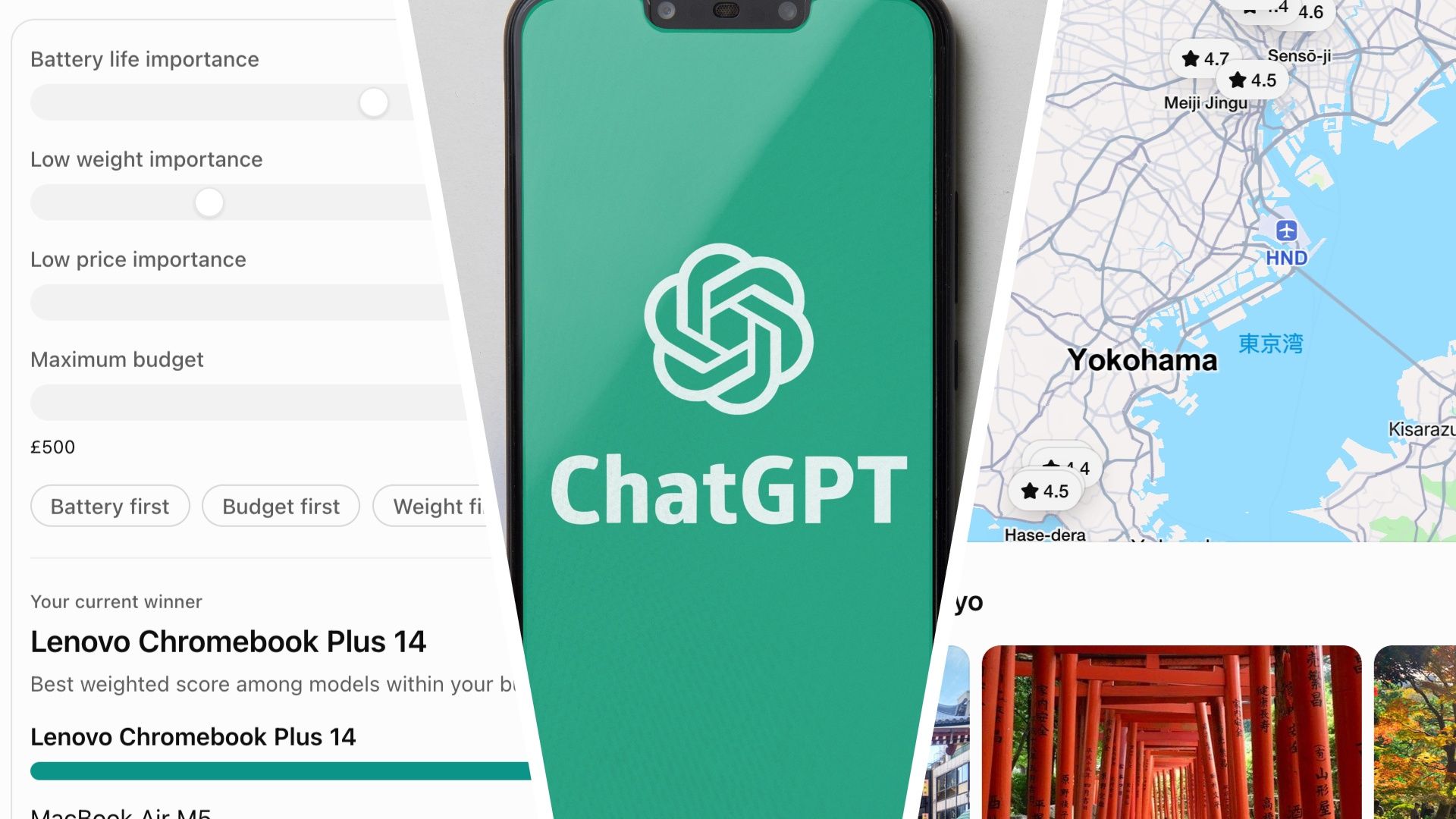
ChatGPT introduces 'Intelligent UI' with interactive elements
OpenAI has quietly rolled out a significant update to ChatGPT, introducing an 'Intelligent UI' powered by GPT-6. This feature shifts the platform from…

Meta expands Muse AI agent to iPad with new business-focused features
Meta has officially brought its agentic AI assistant, Muse, to the iPad, following its initial mobile launch in September. The update introduces deepe…