
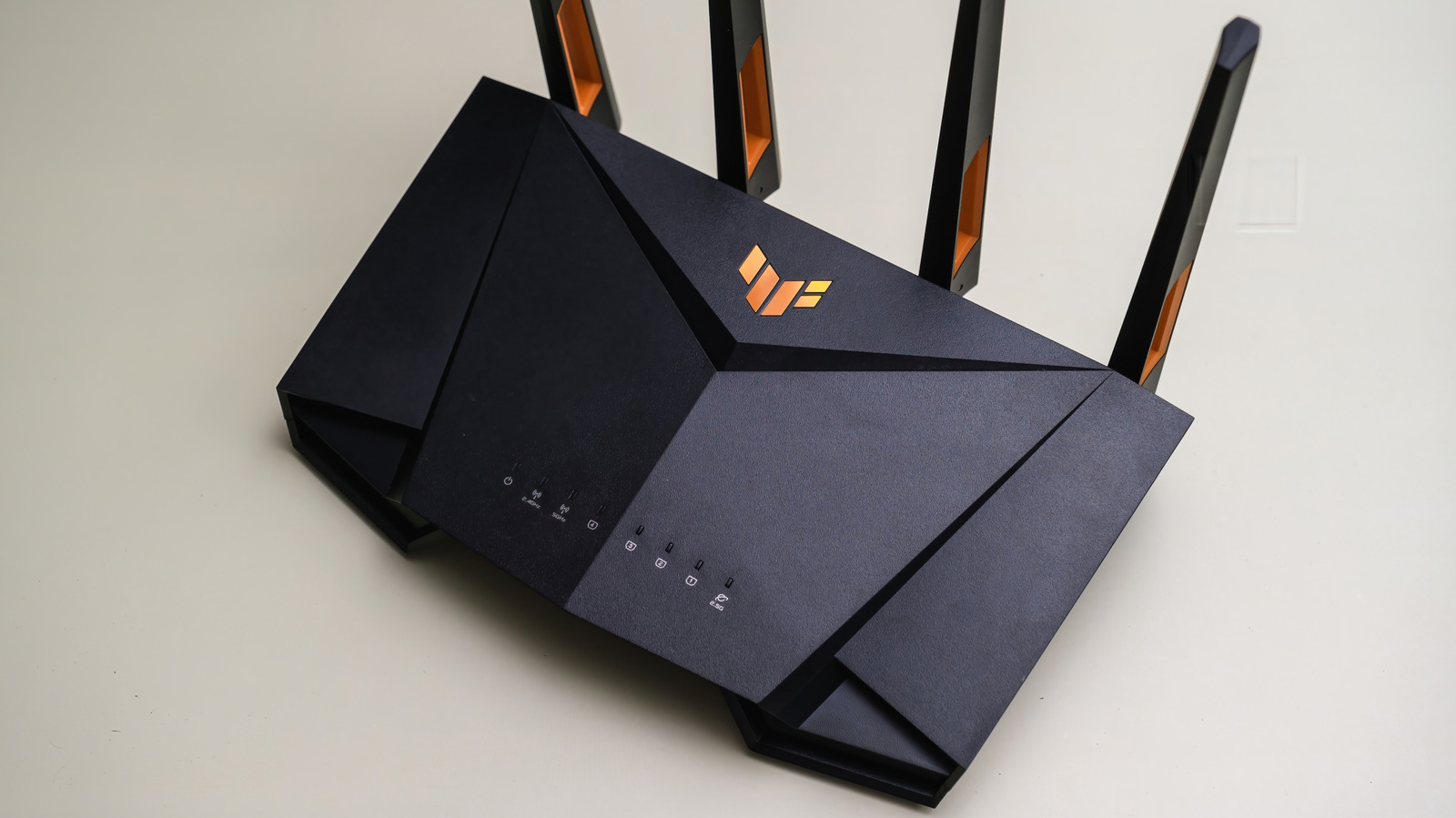
Gaming routers are often marketed with aggressive aesthetics and specialized software features designed to prioritize traffic for competitive players. However, experts suggest that while these devices offer some niche benefits, they are not a universal solution for network performance issues. The effectiveness of a gaming router is heavily dependent on the user's existing internet service provider (ISP) connection and the physical layout of their home. While features like Quality of Service (QoS) can help manage bandwidth during high-traffic periods, they cannot overcome fundamental limitations like slow base speeds or poor signal propagation caused by thick walls. Ultimately, consumers should evaluate whether the premium price tag justifies the marginal gains in latency or stability compared to high-quality standard mesh systems. For most users, optimizing existing network settings or upgrading to a reliable Wi-Fi 6 or 7 router may provide similar performance improvements without the gaming-branded markup.
This is a summary. Read the full article at the original source:
EngadgetRelated stories

Experiencing audio issues where only one AirPod functions can be frustrating, but Apple provides several troubleshooting steps to resolve the problem.…

OhSnap has introduced a new modular, lever-action card wallet designed to attach magnetically to smartphones. This latest accessory builds on the comp…

A recent report highlights a common but overlooked cause of poor Wi-Fi connectivity: interference from USB 3.0 devices. Many peripherals, such as exte…