
Dinosaur-killing impact crater might have been teeming with life
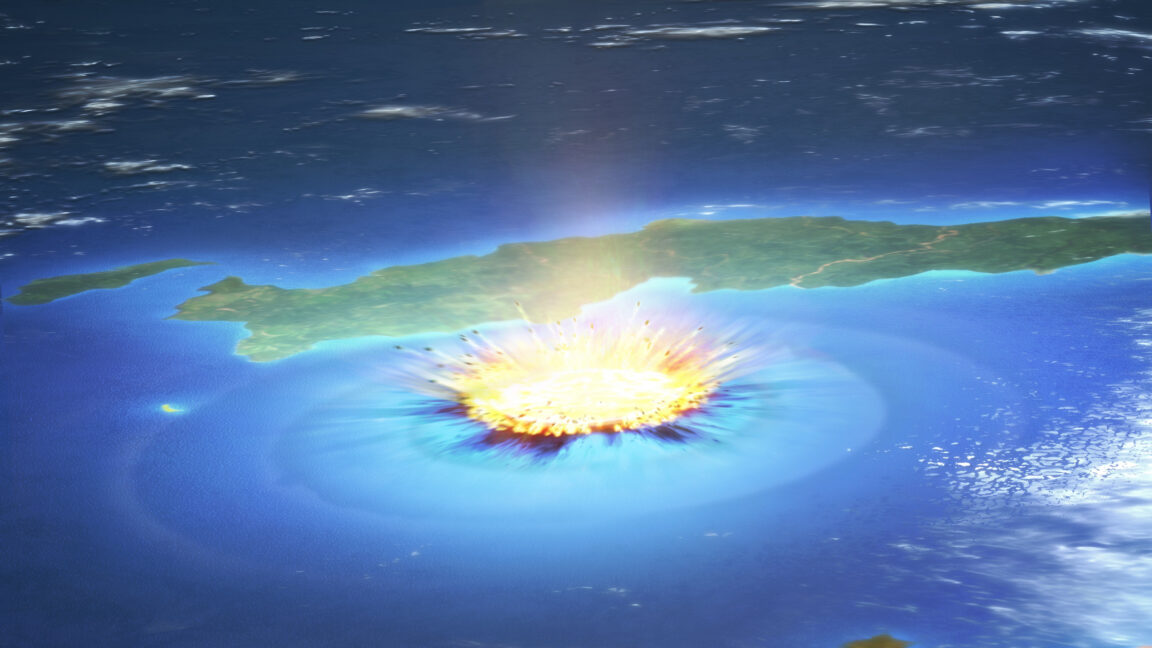
New research into the Chicxulub impact crater, formed 66 million years ago by the asteroid that wiped out non-avian dinosaurs, reveals a surprising biological legacy. While the collision caused global devastation, it also created a massive, long-lasting hydrothermal system beneath the Yucatan Peninsula. By analyzing rock samples drilled from the impact zone in 2016, scientists discovered that the intense heat from the strike, combined with seawater infiltrating porous, melted rock, sustained a hydrothermal environment for approximately 8 million years. This subterranean system, reaching depths of 35 kilometers, likely provided a refuge for microorganisms in the freezing ocean depths. These findings suggest that the same cataclysmic event that triggered mass extinction also fostered a unique, localized ecosystem, offering new insights into how life persists and adapts following extreme geological events.
This is a summary. Read the full article at the original source:
Ars TechnicaRelated stories
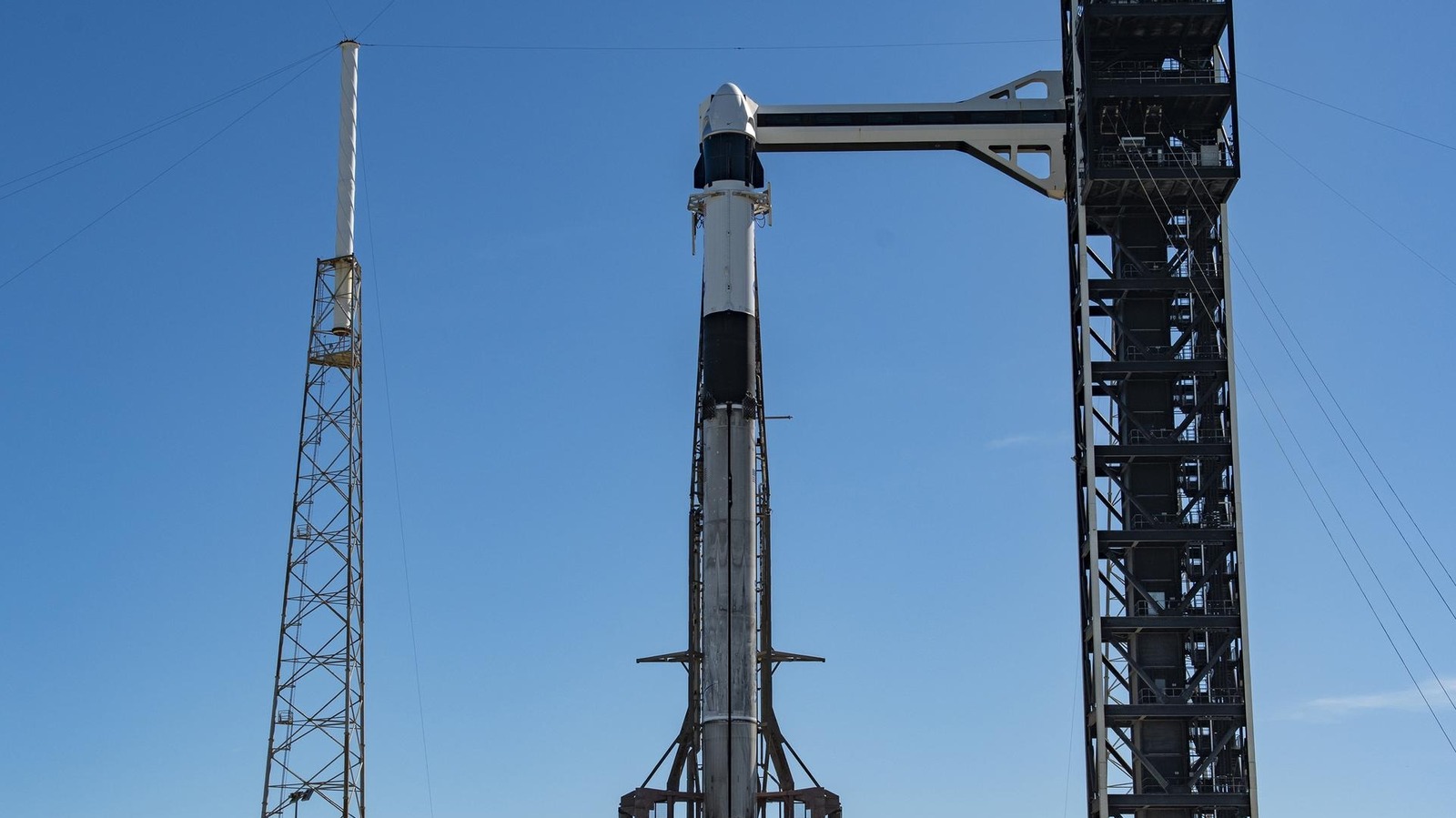
NASA is preparing for the upcoming Crew-13 mission, marking another significant step in the agency's ongoing collaboration with commercial partners to…

A recent analysis by The Space Review delves into the mysterious URSALA, RAQUEL, and FARRAH satellites, which have long been subjects of speculation w…

Recent research published in Quanta Magazine highlights a breakthrough in understanding how the human brain processes information. Scientists have ide…