
In a detailed response on Quora, computer scientist Alan Kay addresses the historical question of whether the ENIAC, one of the earliest general-purpose electronic computers, possessed a BIOS. Kay clarifies that the ENIAC did not have a BIOS in the modern sense, as it was programmed through physical reconfiguration of cables and switches rather than stored software instructions. He explains that the concept of a BIOS—a firmware layer that initializes hardware before an operating system loads—is a product of later computing eras where stored-program architecture became standard. Kay highlights that the ENIAC's 'programming' was essentially a hardware-level task, requiring human operators to manually set up the machine for each specific calculation. This historical perspective underscores the radical evolution of computing architecture from manual physical configuration to the sophisticated, software-driven systems we rely on today, illustrating the fundamental shift in how we interact with hardware.
This is a summary. Read the full article at the original source:
Hacker News (YC)Related stories
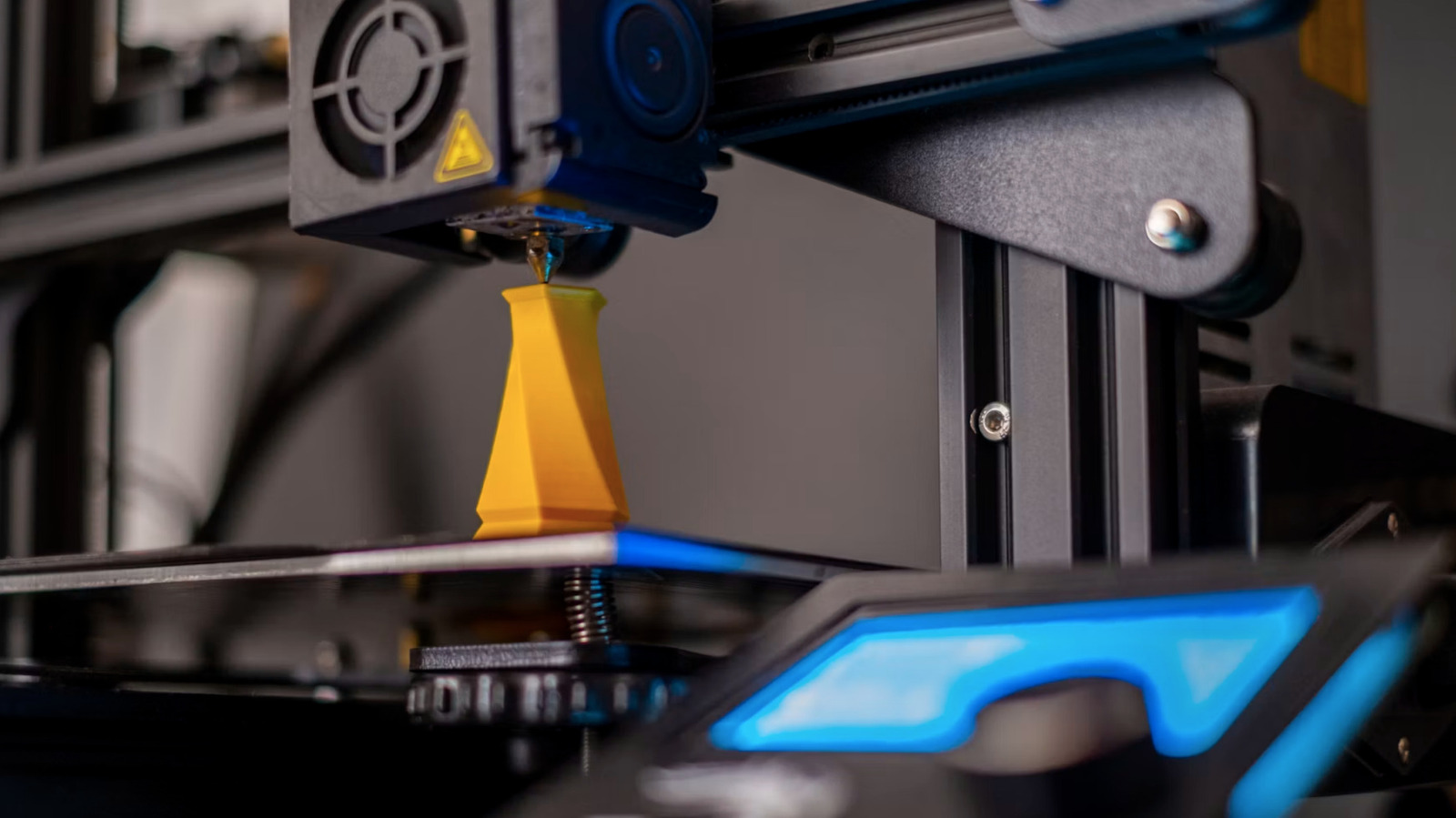
As 3D printing technology approaches the mid-2020s, the landscape for consumer-grade additive manufacturing has shifted significantly. Modern 3D print…

Choosing between a soundbar and a full surround sound system involves weighing several key factors, including convenience, audio immersion, and budget…

While modern smartphones are powerful enough to track rides and provide navigation, they are not always the ideal tool for cycling. This article explo…