
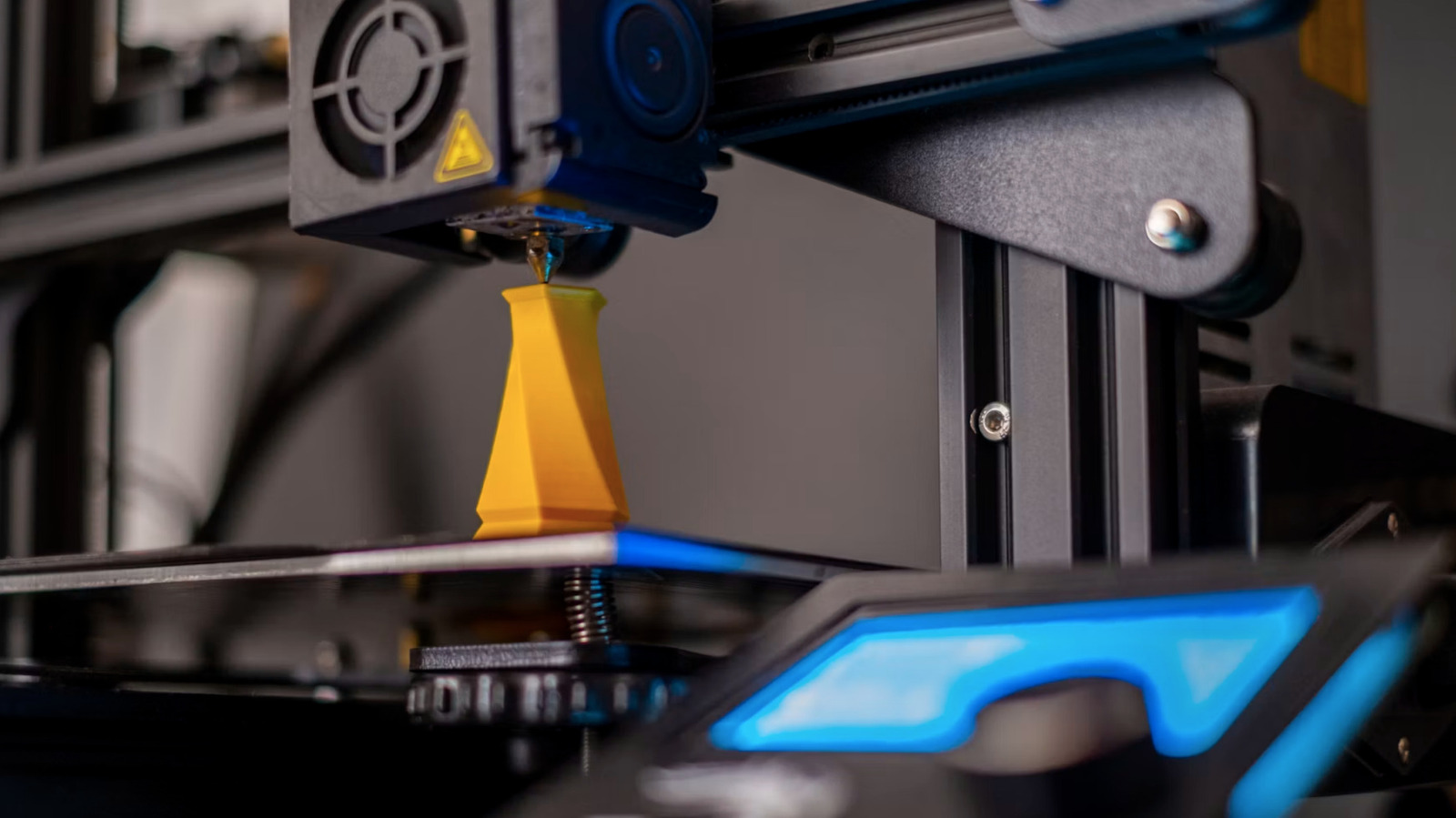
As 3D printing technology approaches the mid-2020s, the landscape for consumer-grade additive manufacturing has shifted significantly. Modern 3D printers are undeniably more sophisticated, faster, and more user-friendly than the hobbyist machines of a decade ago. Manufacturers have integrated automated bed leveling, improved slicing software, and higher-quality components, lowering the barrier to entry for beginners. However, despite these advancements, the technology still faces hurdles regarding widespread mainstream adoption. Maintenance, material handling, and the learning curve associated with 3D design remain significant challenges for the average consumer. While these devices have become essential tools for makers and engineers, their utility for the general public remains a subject of debate. This article explores whether the current state of consumer 3D printing offers enough value to justify the investment for non-specialized users, weighing the improved accessibility against the persistent complexities of the medium.
This is a summary. Read the full article at the original source:
EngadgetRelated stories
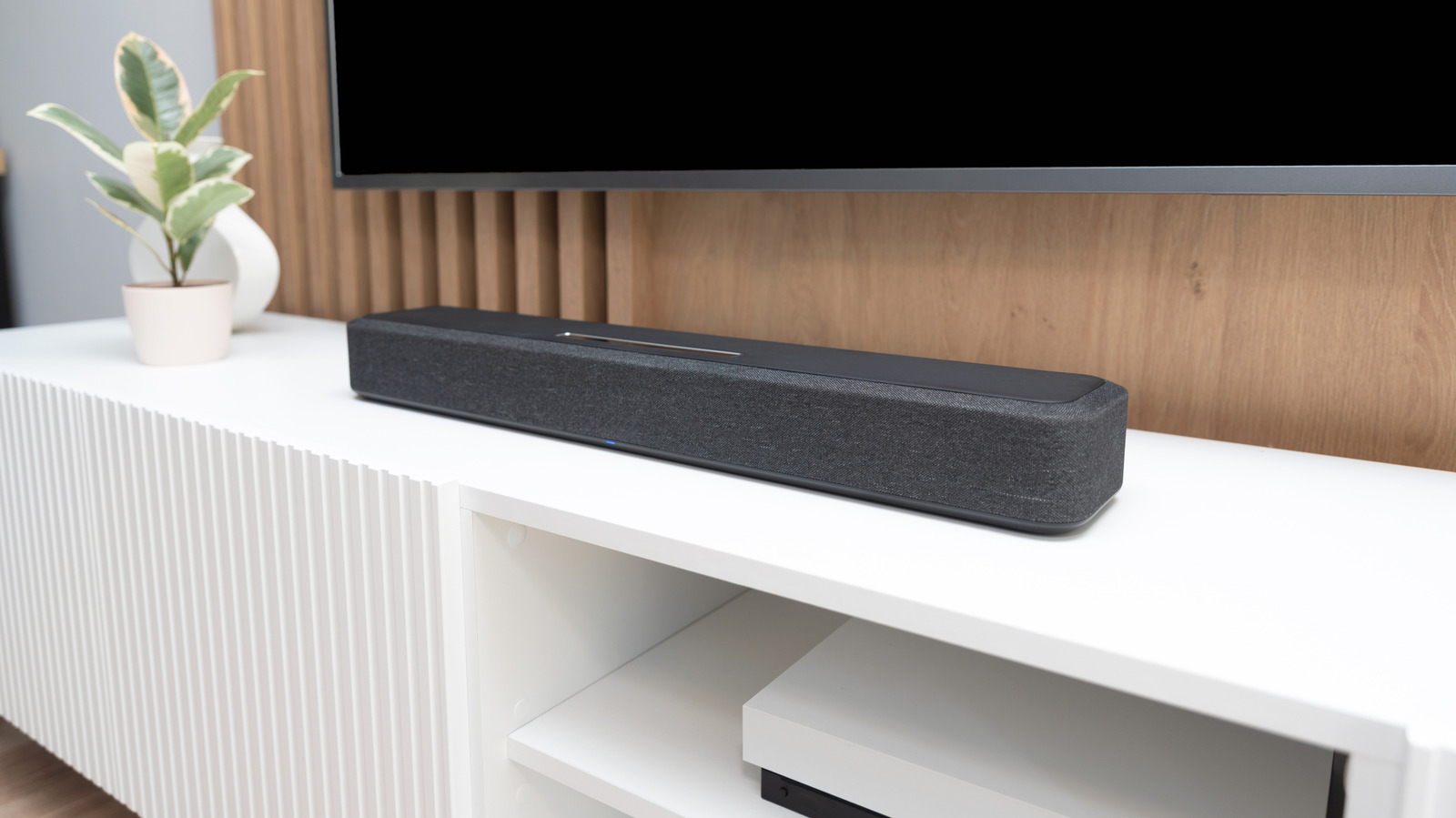
Choosing between a soundbar and a full surround sound system involves weighing several key factors, including convenience, audio immersion, and budget…

While modern smartphones are powerful enough to track rides and provide navigation, they are not always the ideal tool for cycling. This article explo…

Enthusiast becomes first in the world to enable P2P on NVIDIA CMP 90HX GPUs
A hardware researcher has reported successfully bypassing restrictions on NVIDIA CMP series graphics cards, originally designed for mining. The projec…