
Attackers Manipulate AI Chatbots in Mass Disinformation and Phishing Campaign

Threat actors are increasingly targeting generative AI platforms, including ChatGPT, Gemini, and Google AI Overview, to conduct large-scale disinformation and phishing campaigns. By strategically seeding the web with malicious links and fabricated data, attackers are manipulating the search engine optimization (SEO) of these platforms. This technique, often referred to as 'AI poisoning,' forces AI models to ingest and surface harmful content as credible information. As users rely more heavily on AI-generated summaries for quick answers, the risk of encountering deceptive links or malicious payloads grows significantly. Security researchers warn that this trend represents a shift in how cybercriminals exploit the trust placed in AI systems. Organizations and individual users are advised to verify information provided by AI tools through primary sources and remain vigilant against unexpected links, as the barrier to entry for sophisticated social engineering attacks continues to lower.
This is a summary. Read the full article at the original source:
Dark ReadingRelated stories
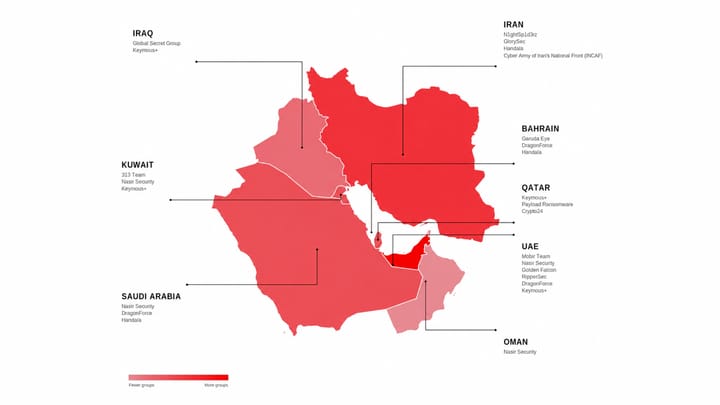
A recent report from Dark Reading highlights a significant escalation in the cyber threat landscape across the Gulf region. During the first half of 2…

Meta has addressed a critical zero-day vulnerability discovered in its Muse AI assistant, a tool designed to streamline workflows for Mac users. Secur…

The rise of smart glasses in India is raising significant privacy and safety concerns, as these inconspicuous devices are increasingly used for non-co…