
All hail electrification. But let’s talk about the hard part.
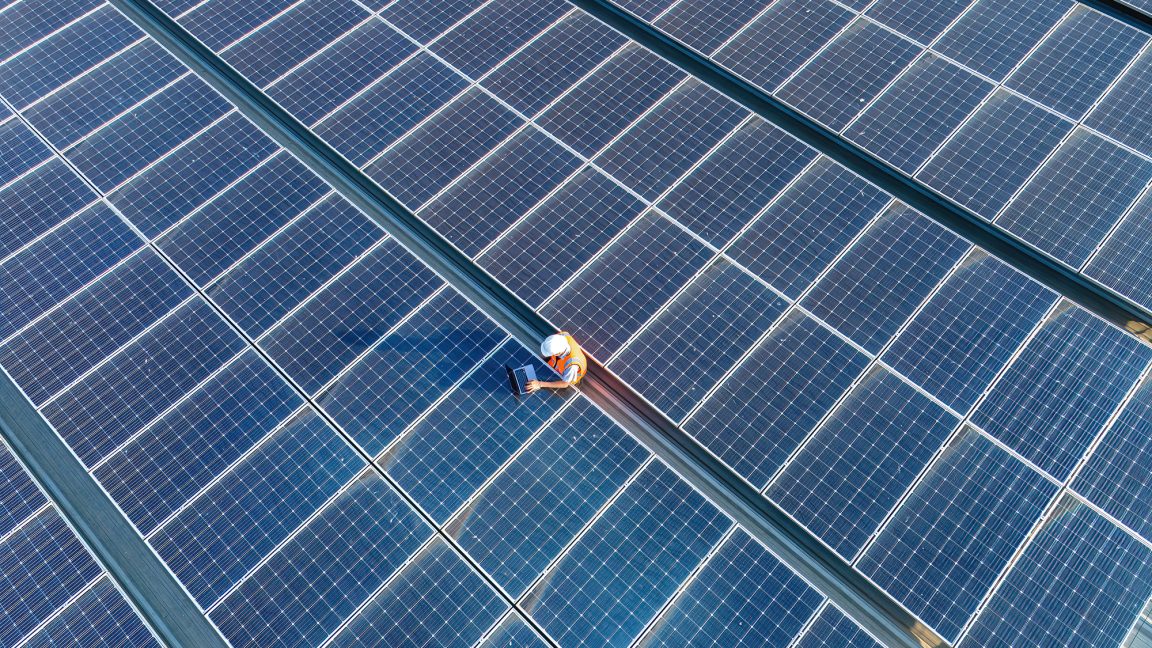
The International Energy Agency (IEA) recently released a report highlighting a significant shift in the global energy landscape. For the first time, the three primary objectives of energy policy—security, economic viability, and environmental sustainability—are aligning through electrification. IEA head Fatih Birol noted that historically, nations were forced to make difficult trade-offs between these goals. However, as renewable energy and electrification technologies become increasingly efficient and cost-effective, they now satisfy all three criteria simultaneously. While this convergence presents a historic opportunity to reshape the global economy, the report suggests that the transition is not without challenges. Moving toward a fully electrified system requires addressing complex infrastructure and policy hurdles. The IEA emphasizes that while the alignment of these objectives is a positive development, the practical implementation of widespread electrification remains the most difficult phase of the global energy transition.
This is a summary. Read the full article at the original source:
Ars TechnicaRelated stories

Jackery adopts EV battery technology to shrink portable power stations
Jackery has unveiled its new Explorer 1000 Plus v2 and Explorer 2000 Plus v2 portable power stations, utilizing a Cell-to-Body (CTB) architecture insp…

New Zealand-based startup Vessev has unveiled an innovative electric hydrofoil ferry designed to transform urban maritime transportation. By utilizing…
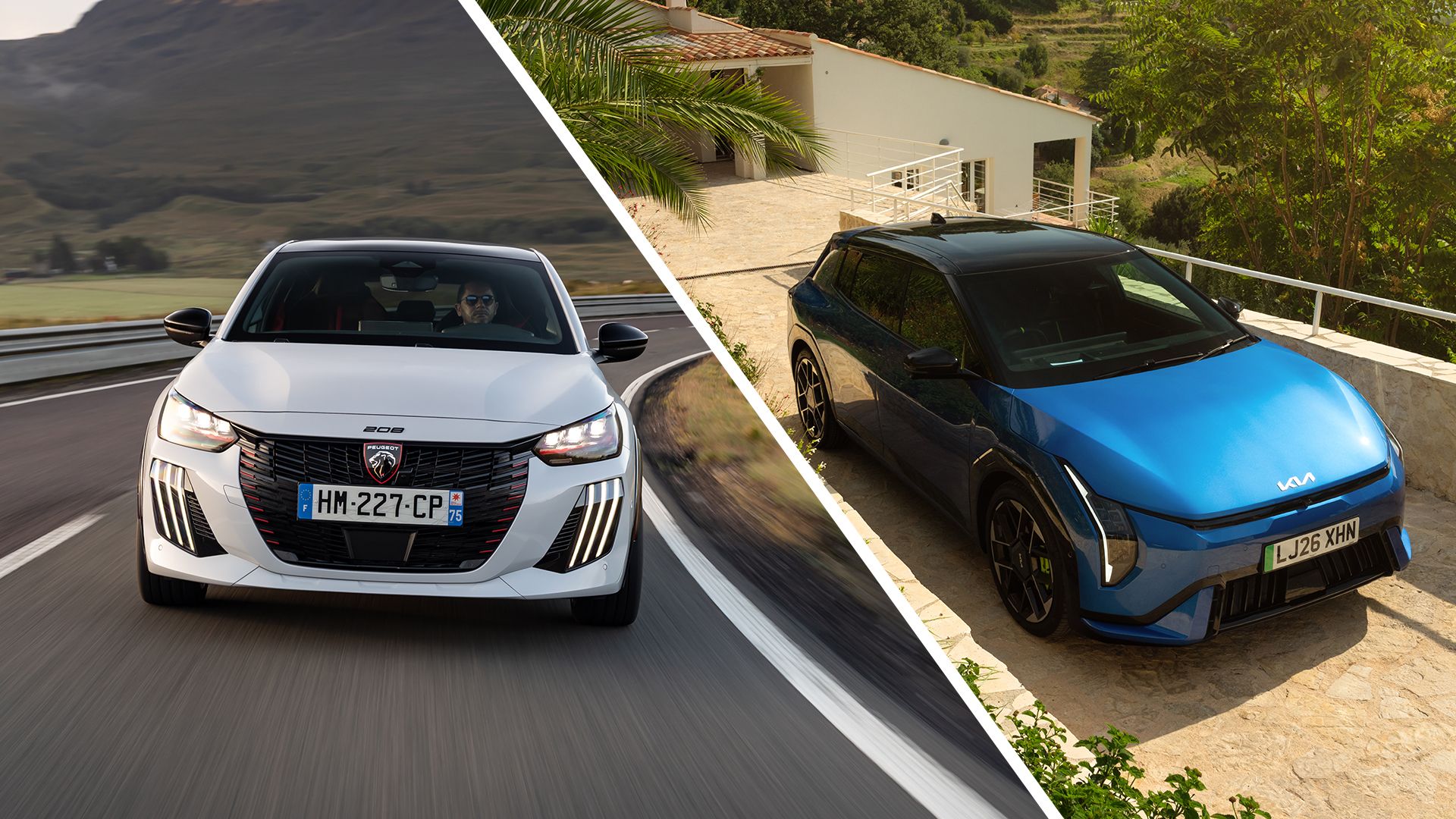
Return of the hot hatch heroes: Driving the new electric Peugeot E-208 GTi
The automotive industry is seeing a resurgence of the 'hot hatch' concept as manufacturers transition to electric power. Peugeot has unveiled its new…