
A junior asked me how I knew the code was wrong. I couldn't answer him.

A senior developer reflects on the difficulty of teaching 'engineering intuition' to junior staff in the age of AI. During a pair programming session, the author instinctively identified a flaw in AI-generated code, yet struggled to explain the reasoning behind the decision. The author argues that this 'flinch'—the ability to spot subtle bugs—is not a set of rules, but a form of judgment forged through past failures and production outages. The article warns that by automating the coding process, the industry risks bypassing the 'forge' where junior developers traditionally gain this critical experience. To address this, the author suggests shifting the focus from simply writing code to actively trying to break it, recommending that teams institutionalize skepticism by separating the roles of code author and code skeptic to help juniors develop their own professional judgment in safe, controlled environments.
This is a summary. Read the full article at the original source:
Dev.toRelated stories

From Business Metrics to On-Call: How to Build Alerting That Doesn't Cause Burnout
This Habr article explores how to build an effective alerting system that prevents 'alert fatigue' among on-call engineers. The author discusses the p…
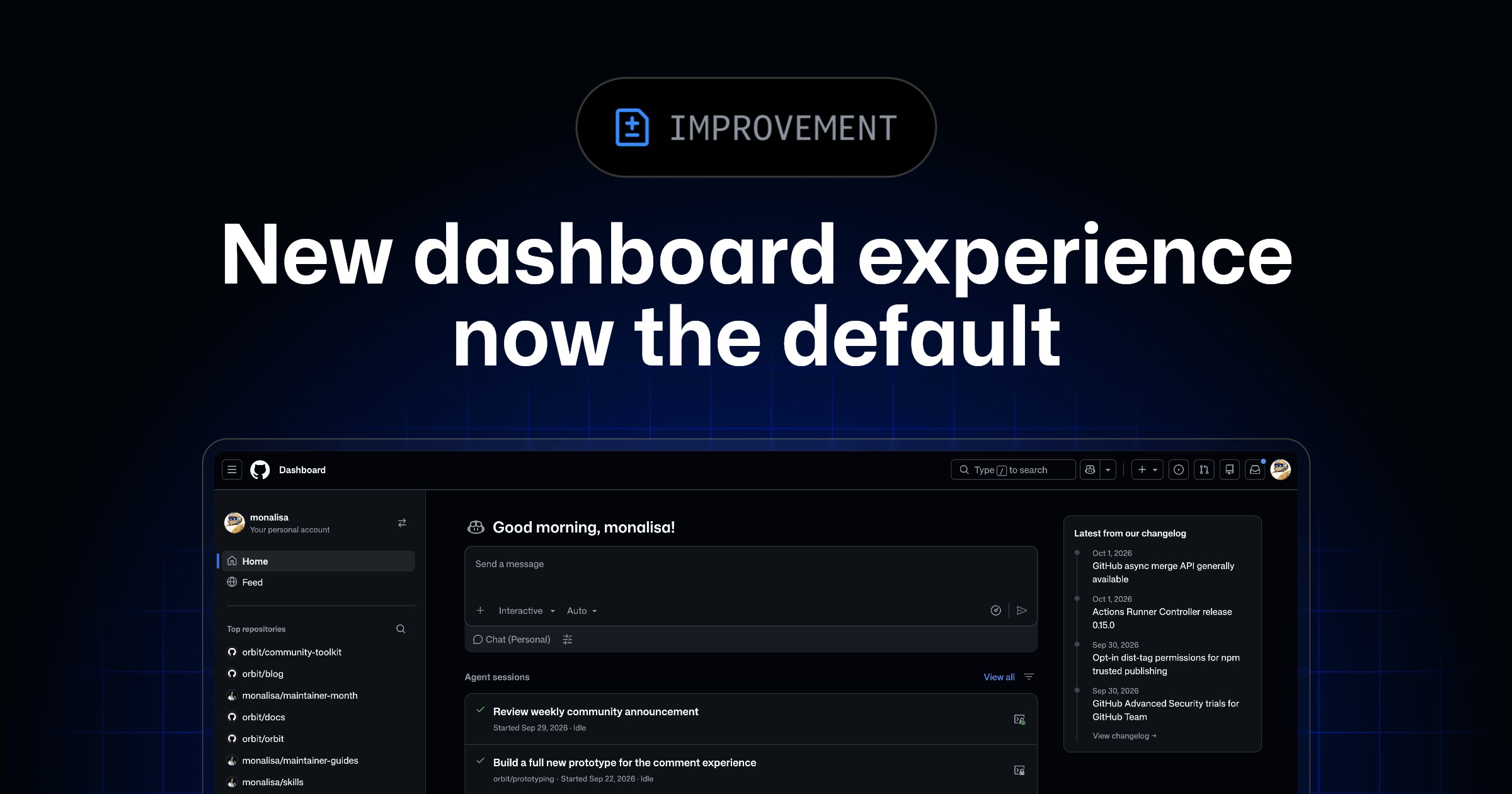
GitHub has officially transitioned its new dashboard experience to become the default view for all users. This update, aimed at improving developer pr…

In a recent article on Dev.to, James Anderson explores the common dilemma faced by beginner developers: whether to prioritize Data Structures and Algo…