
A Drift Detector That Cries Wolf Is Worse Than No Detector

In a recent post, developer Debashish Ghosal discusses the challenges of building reliable drift detection for AI agents within the HivePlane framework. The author highlights that a poorly designed detector—one that triggers false positives—can be more detrimental than having no monitoring at all. Ghosal details three specific failure modes encountered during development, including issues where corpus growth was misinterpreted as behavioral decay, flawed state management during auto-quarantine, and probes that failed to verify actual task performance. The key takeaway is that drift must be measured against consistent baselines rather than raw counts. Furthermore, the author emphasizes that effective monitoring requires robust source-of-truth management, such as using dedicated quarantine records rather than status enums. Ultimately, the article serves as a cautionary tale for MLOps practitioners: if automated systems frequently cry wolf, they quickly lose their utility as reliable security controls.
This is a summary. Read the full article at the original source:
Dev.toRelated stories

Local AI on four Macs: MLX capacity, speed and trust boundaries
Apple has demonstrated the use of its MLX framework to run large-scale models like Meta’s Muse Spark Open across a cluster of four M5 Ultra Mac Studio…
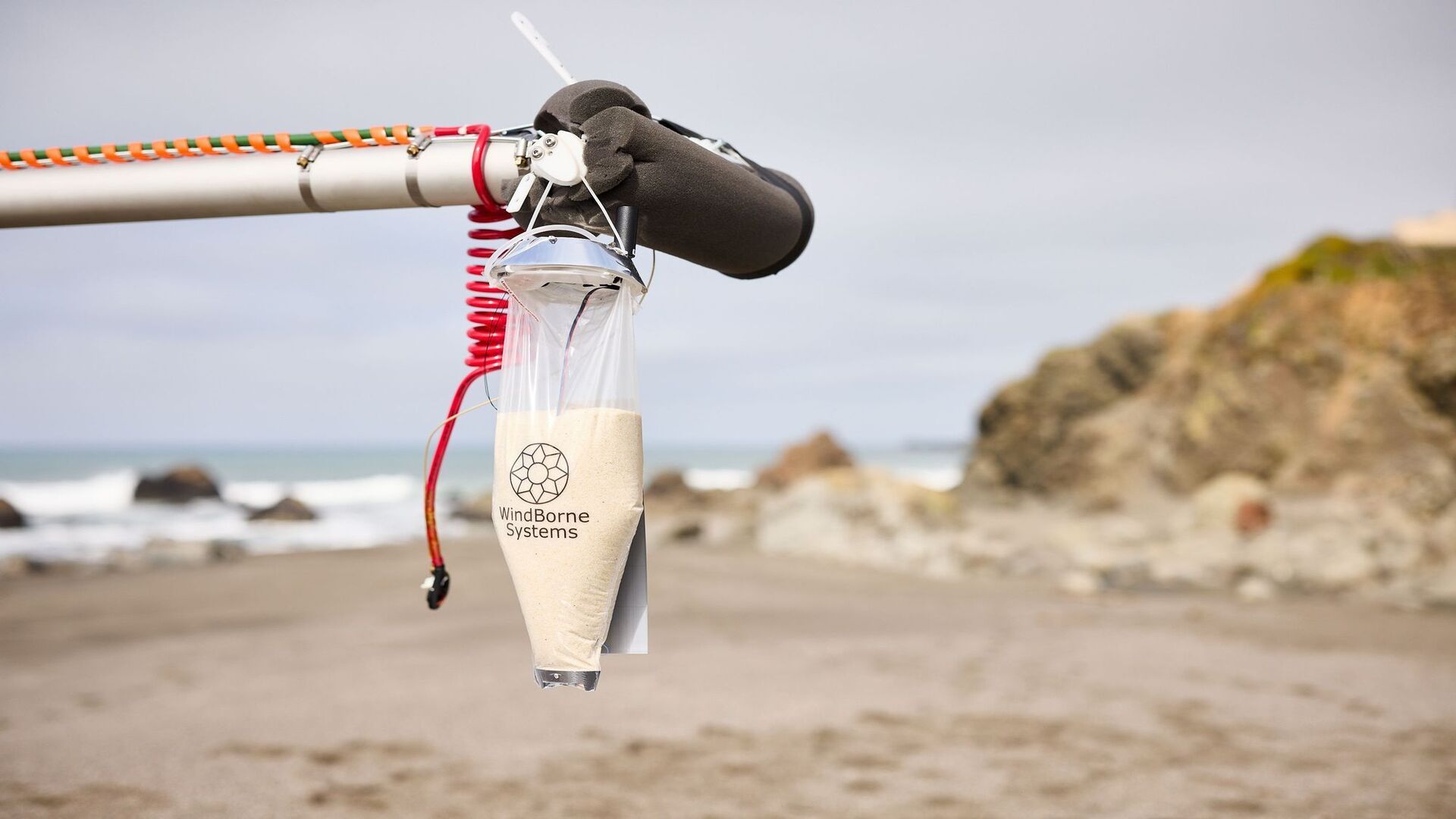
US Air Force Awards $49 Million Contract for Autonomous Weather Balloon Data
WindBorne Systems has secured a potential $49 million contract with the US Air Force to provide atmospheric data collected by its fleet of 700 autonom…

SDLC vs. ADLC vs. ASDLC: Clarifying AI Development Methodologies
In a recent analysis, developer Remo Jansen highlights the confusion surrounding the terminology used in modern software engineering, specifically the…