
With PRIMA, NASA will try to build a billion-dollar space telescope in record time

NASA has officially green-lit the PRIMA mission, marking the debut of its new 'Probe Explorer' class of space telescopes. Designed to bridge the gap between lower-cost Explorer missions and multi-billion-dollar flagship observatories, PRIMA aims to deliver significant scientific advancements with a budget of approximately $1 billion. The mission is currently on track for a launch in the early 2030s. This new category was established following recommendations from an independent panel of scientists seeking a more balanced approach to space exploration funding. Despite ongoing budgetary pressures within the current administration, NASA has committed to the development of this infrared observatory. By optimizing development timelines and costs, the agency hopes to demonstrate that high-impact space science can be achieved more efficiently than with traditional flagship programs. PRIMA represents a strategic shift in how NASA plans and executes its future astrophysical research missions.
This is a summary. Read the full article at the original source:
Ars TechnicaRelated stories

Google is preparing for a significant technological experiment involving the launch of AI-focused computing equipment into orbit. The initiative aims…
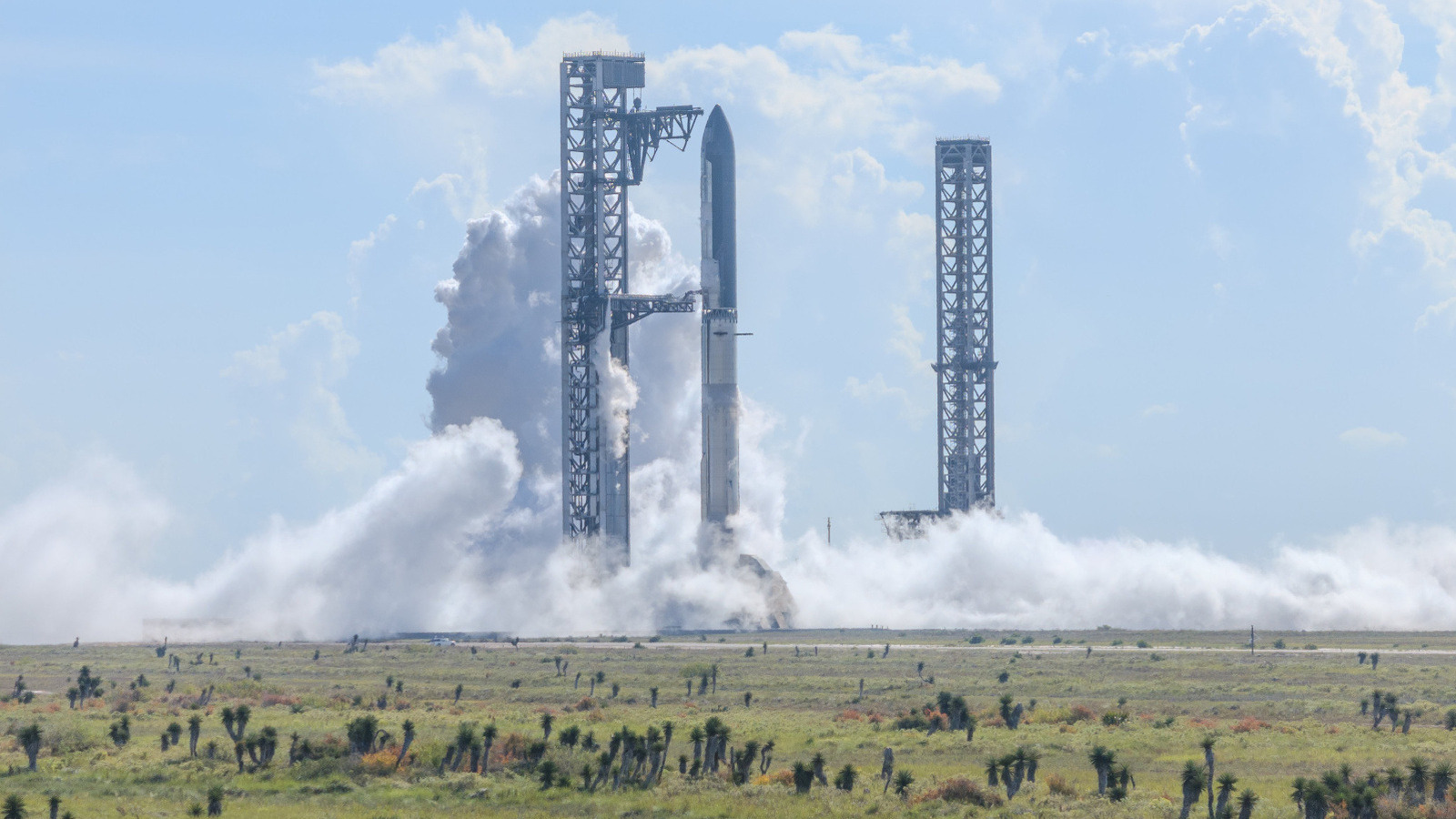
SpaceX Starship's first orbital flight test on track after successful launch rehearsal
SpaceX has successfully completed a wet dress rehearsal for its Starship vehicle, marking a critical milestone in the company's preparations for its i…
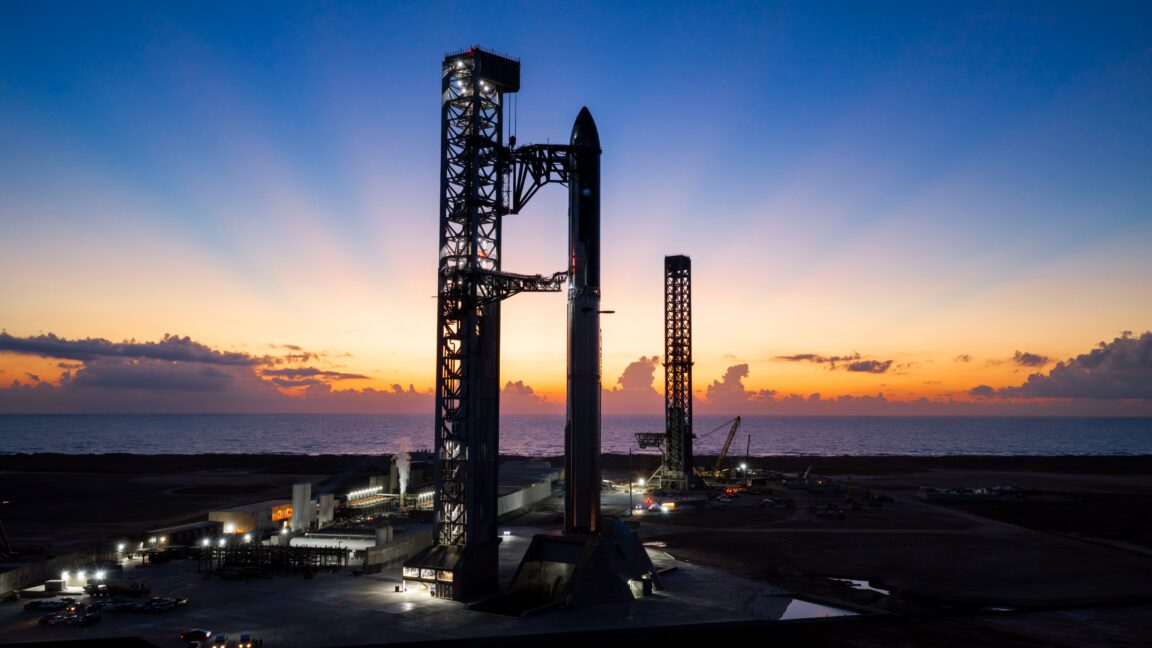
The latest edition of the Rocket Report highlights significant shifts in the global launch industry, primarily driven by SpaceX's potential plans to p…