
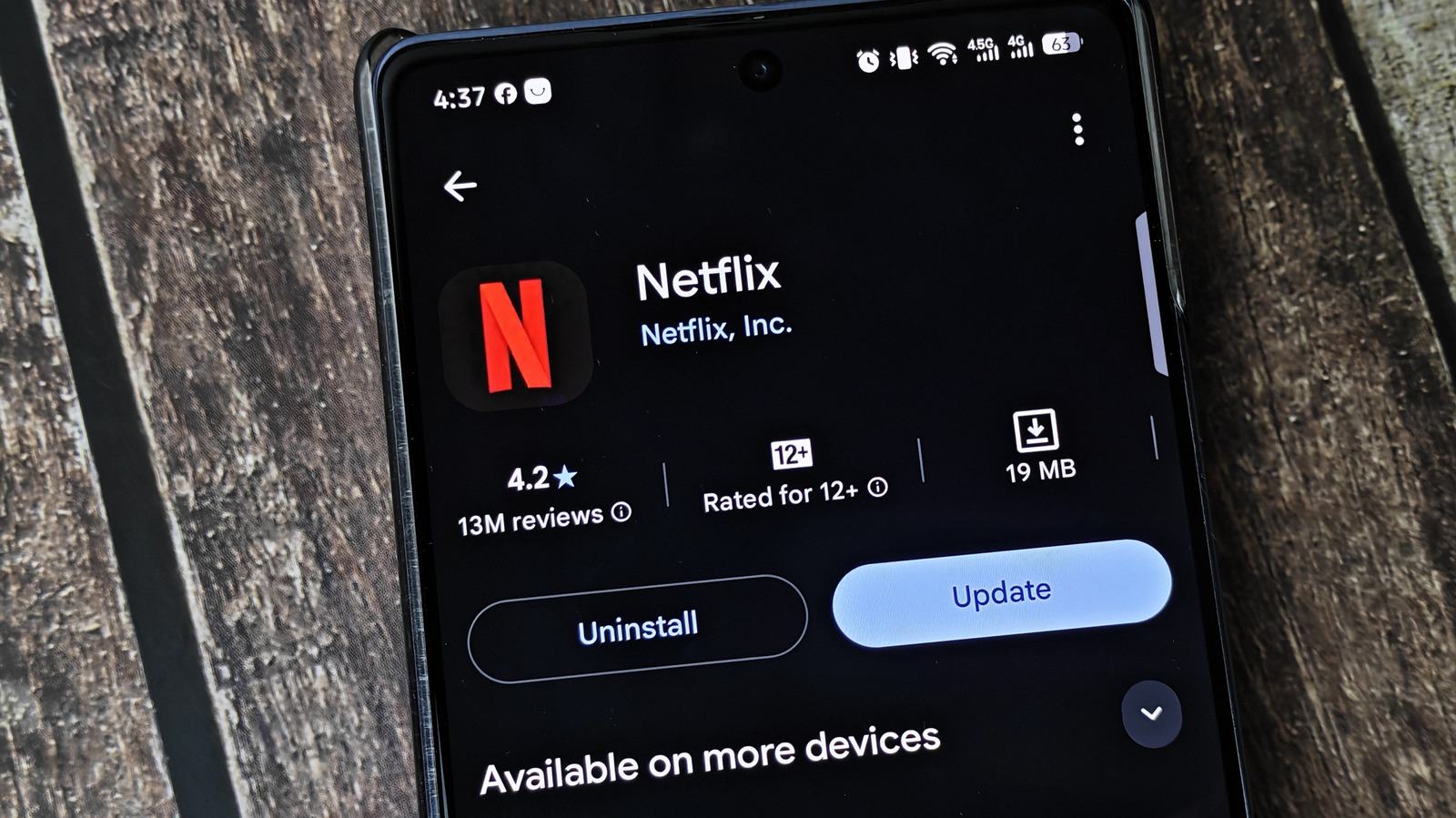
Modern smartphone operating systems, such as iOS and Android, have become increasingly sophisticated at managing background processes, including the automatic updating of mobile applications. While these systems are designed to handle updates without user intervention, it remains crucial for users to periodically verify that their software is current. Keeping apps updated is not merely about gaining access to the latest features or interface improvements; it is a fundamental practice for maintaining device security and performance. Developers frequently release patches to address newly discovered vulnerabilities, fix bugs that cause crashes, and optimize resource consumption to improve battery life. By ensuring applications are running the latest versions, users protect their personal data from potential exploits and ensure a smoother, more stable experience. Taking a proactive approach to app management is a simple yet effective way to extend the longevity and security of your mobile device.
This is a summary. Read the full article at the original source:
EngadgetRelated stories
Apple has identified a critical, unfixable cellular glitch affecting a limited number of iPhone 18 Pro Max devices connected to the AT&T network. User…

The iPhone 18 Pro, Apple’s latest compact flagship, introduces several iterative refinements for 2026. Powered by the new A20 Pro chip, the device off…

A recent report highlights that the upcoming iPhone Duo, a rumored addition to Apple's smartphone lineup, will omit several features that have become…