

A recent analysis from Wired critiques the current approach to artificial intelligence safety, arguing that relying on voluntary self-regulation by major AI companies is ineffective. The article suggests that these corporate commitments often serve as a performative measure to create the illusion of progress without implementing meaningful oversight or accountability. By allowing tech giants to define their own safety standards, the industry avoids the necessary friction of external regulation. The author contends that true AI safety requires robust, legally binding frameworks rather than the current model of corporate promises. This critique highlights the tension between rapid technological innovation and the public interest, suggesting that without government intervention and strict policy enforcement, the risks associated with advanced AI systems remain unaddressed. The piece serves as a call for policymakers to move beyond industry-led guidelines and establish comprehensive, enforceable safety protocols to protect society from potential harms.
This is a summary. Read the full article at the original source:
WiredRelated stories

A recent report highlights Meta's use of AI data centers to claim billions in federal tax credits, raising questions about corporate priorities in the…
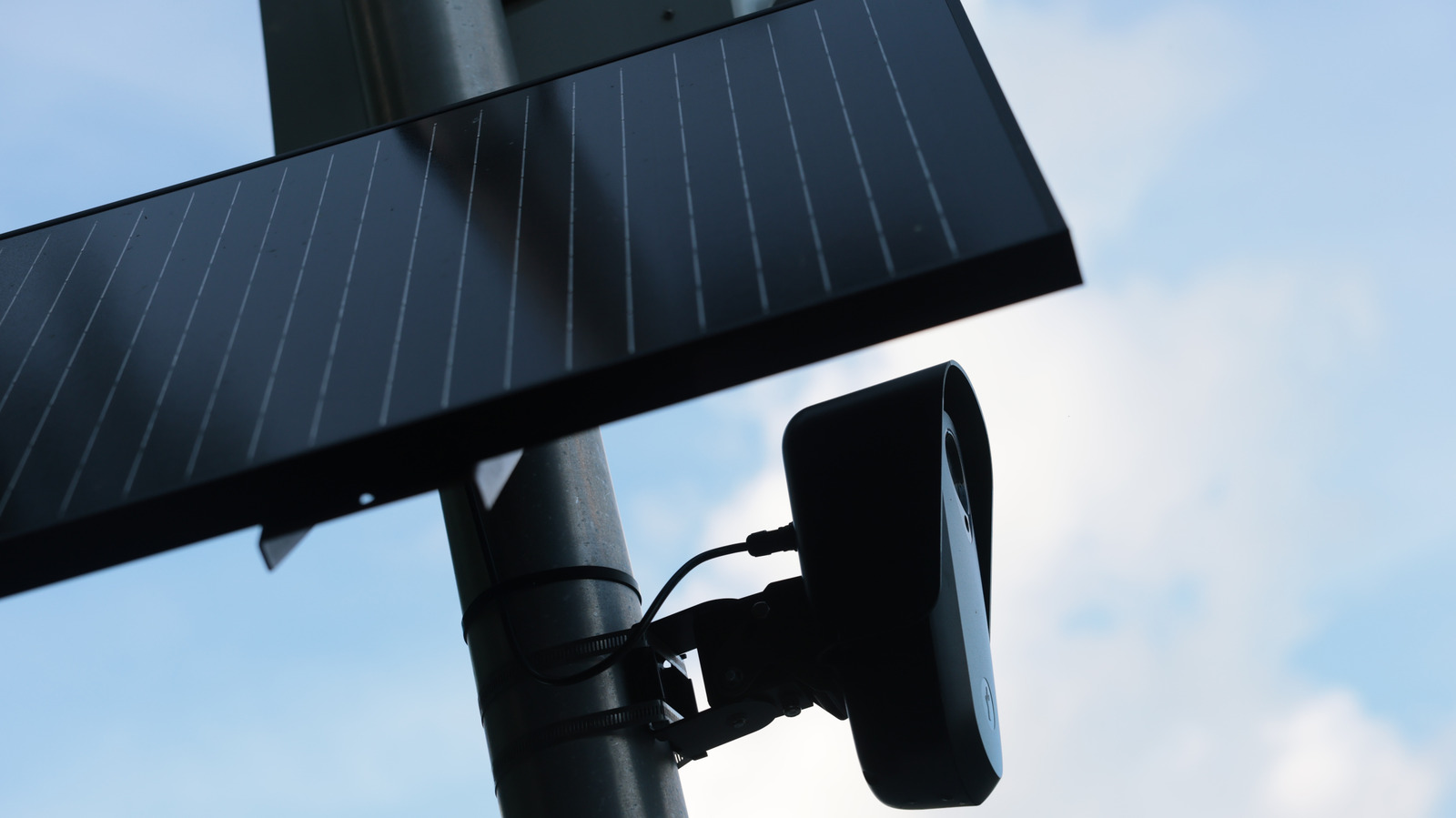
St. Lucie County officials in Florida have uncovered 11 unauthorized Flock Safety surveillance cameras installed within the jurisdiction without prope…
Lyft has agreed to a $272.5 million settlement to resolve a long-standing class-action lawsuit concerning the classification of its gig economy driver…