
What's the difference between alkaline and lithium-ion batteries?
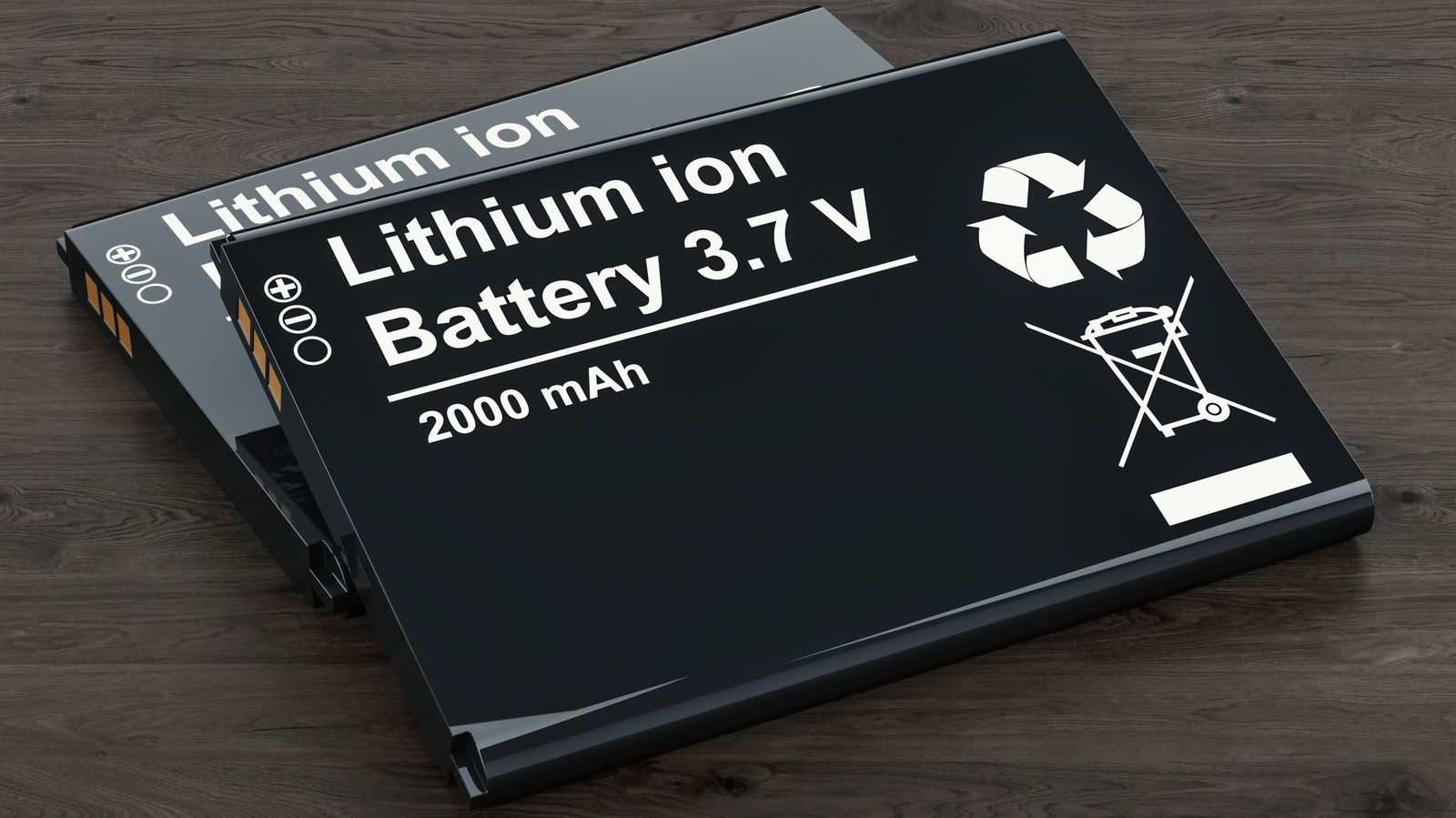
Understanding the fundamental differences between alkaline and lithium-ion batteries is essential for choosing the right power source for various electronic devices. Alkaline batteries, typically non-rechargeable, are designed for low-drain, long-term use in items like remote controls and clocks. In contrast, lithium-ion batteries are rechargeable and offer high energy density, making them the standard for power-hungry consumer electronics such as smartphones, laptops, and electric vehicles. While alkaline batteries are generally more affordable upfront and have a long shelf life, lithium-ion technology provides superior performance over hundreds of charge cycles. This comparison highlights key trade-offs in cost, lifespan, and rechargeability, helping consumers decide which battery chemistry best suits their specific needs. As technology evolves, the distinction between these two types remains a critical factor in device efficiency, environmental impact, and overall user experience.
This is a summary. Read the full article at the original source:
EngadgetRelated stories

The 2027 Rivian R2 arrives as a pivotal addition to the electric vehicle market, positioning itself as the 'Goldilocks' option for consumers who find…

The 2026 Formula 1 season reached its final stages with a high-stakes race weekend in Singapore. Known for its challenging street circuit, the event f…

Fervo Energy has officially launched its Cape Station project in Utah, marking the first utility-scale, next-generation geothermal facility to supply…