
What is vibe coding and why does it get so much hate?
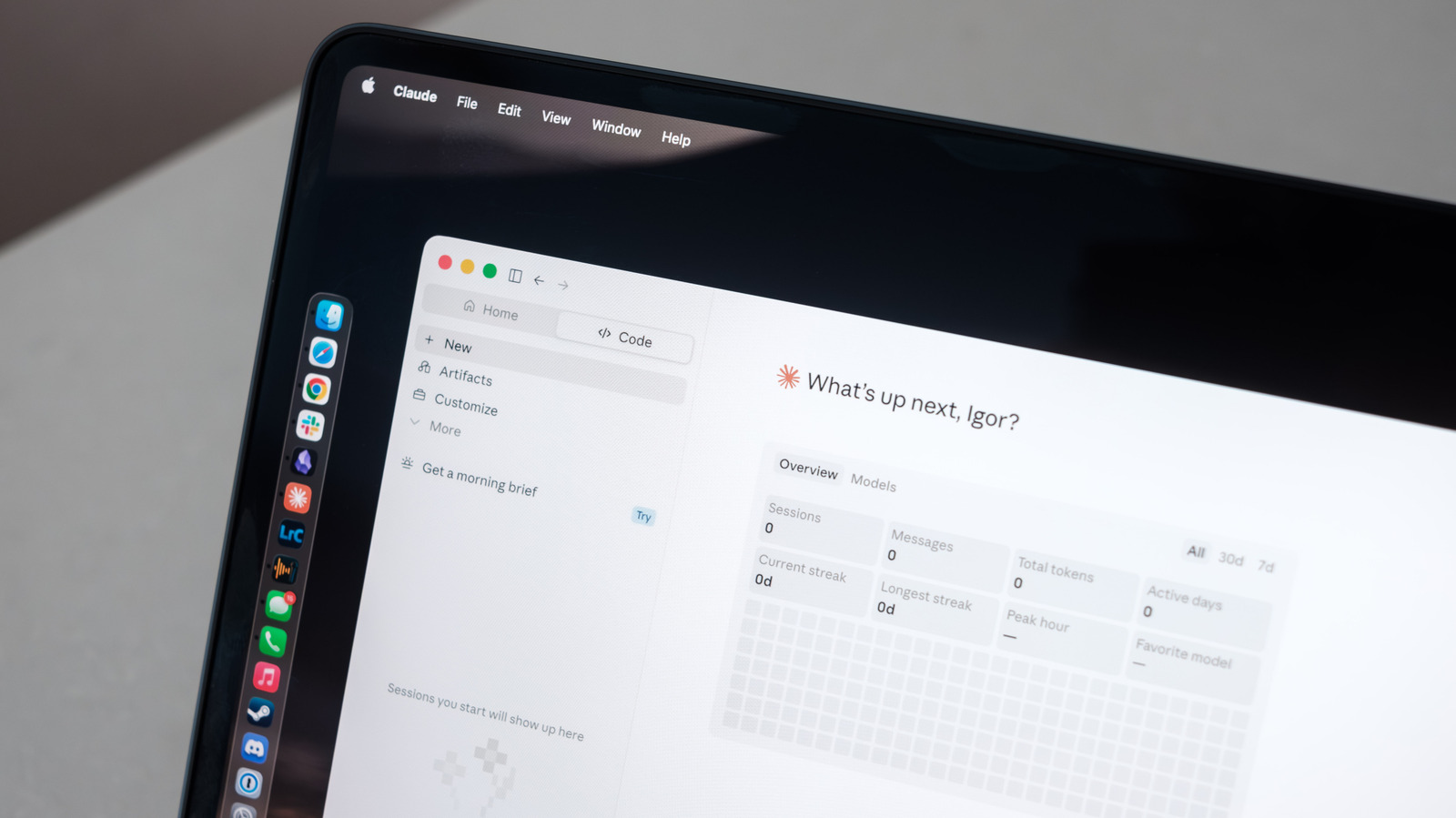
Vibe coding has emerged as a controversial term in the software development community, often dismissed by critics as a lazy approach to programming driven by generative AI tools. The concept describes a workflow where developers rely heavily on AI to write, debug, and iterate on code based on natural language prompts, prioritizing the 'vibe' or intended outcome over manual syntax mastery. While detractors argue that this method undermines fundamental engineering skills and leads to bloated or insecure code, proponents suggest it represents a shift toward higher-level abstraction. By allowing developers to focus on architecture and logic rather than boilerplate, vibe coding aims to accelerate the development lifecycle. This article explores the origins of the term, the tension between traditional coding practices and AI-assisted workflows, and why the tech industry remains deeply divided over whether this trend signifies a productive evolution or a decline in professional standards.
This is a summary. Read the full article at the original source:
EngadgetRelated stories

Meta has unveiled its latest innovation, the Muse AI agent, designed to act as a highly personalized assistant for users. According to recent reports,…
What's going on with OpenAI and the Navier-Stokes controversy?
OpenAI has recently claimed a significant breakthrough in mathematics, specifically regarding the Navier-Stokes equations, which describe the motion o…

Large language models develop novel social biases through adaptive exploration
A recent research paper published on OpenReview explores how large language models (LLMs) can acquire and manifest new social biases during the proces…