
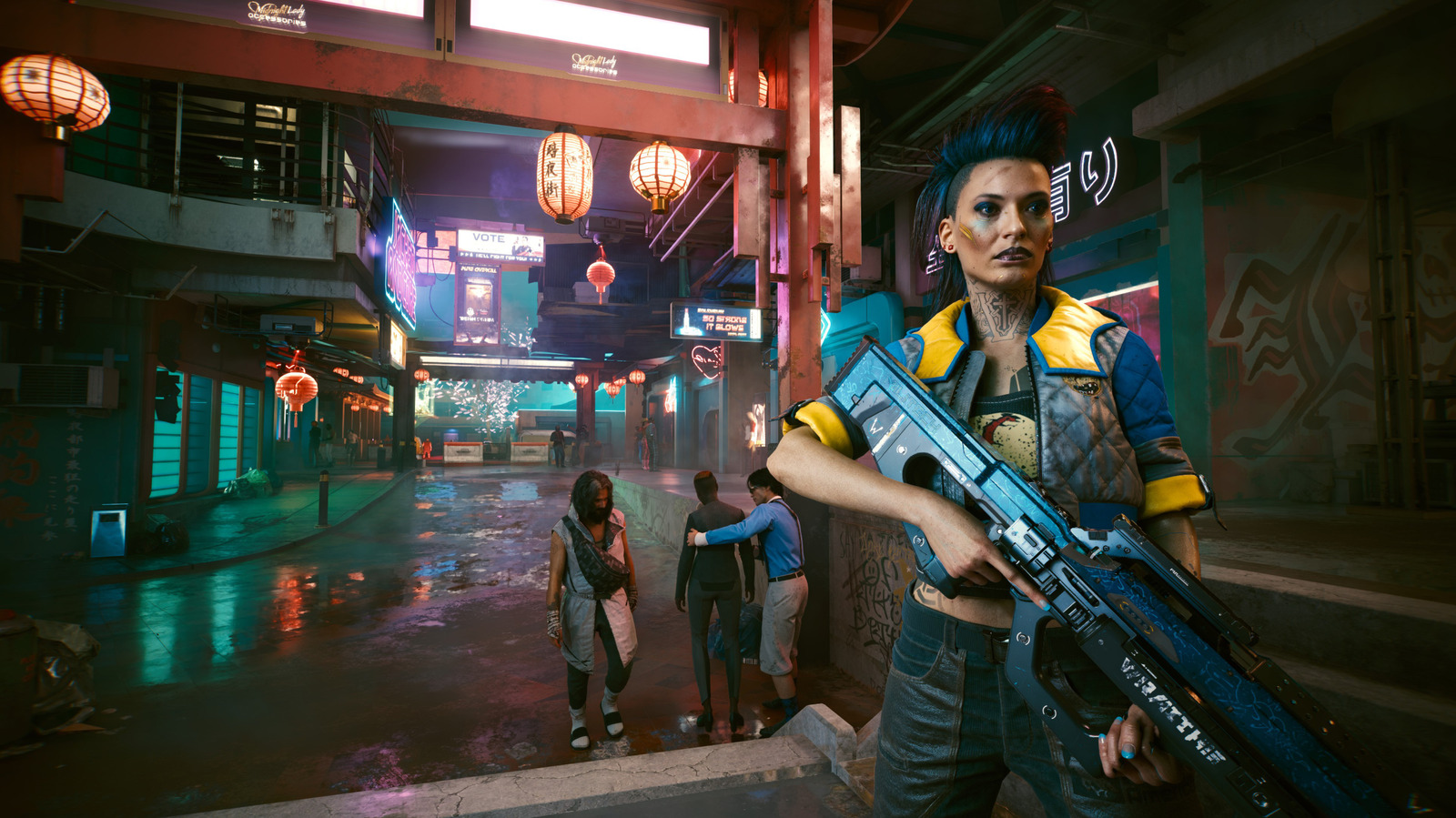
Ray tracing has become a standard feature in modern gaming, promising a significant leap in visual fidelity by simulating the physical behavior of light. By calculating how light rays interact with surfaces, reflections, shadows, and global illumination, the technology creates more immersive and realistic environments. However, this level of graphical complexity comes at a steep cost to system performance. Because ray tracing requires intensive real-time calculations, it places a heavy demand on GPU hardware, often resulting in lower frame rates unless supported by upscaling technologies like DLSS or FSR. While the visual improvements are undeniable in titles that implement it well, gamers must weigh the aesthetic benefits against the potential impact on performance. Ultimately, whether ray tracing makes a meaningful difference depends on the player's hardware capabilities and their personal preference for visual realism versus fluid frame rates.
This is a summary. Read the full article at the original source:
EngadgetRelated stories
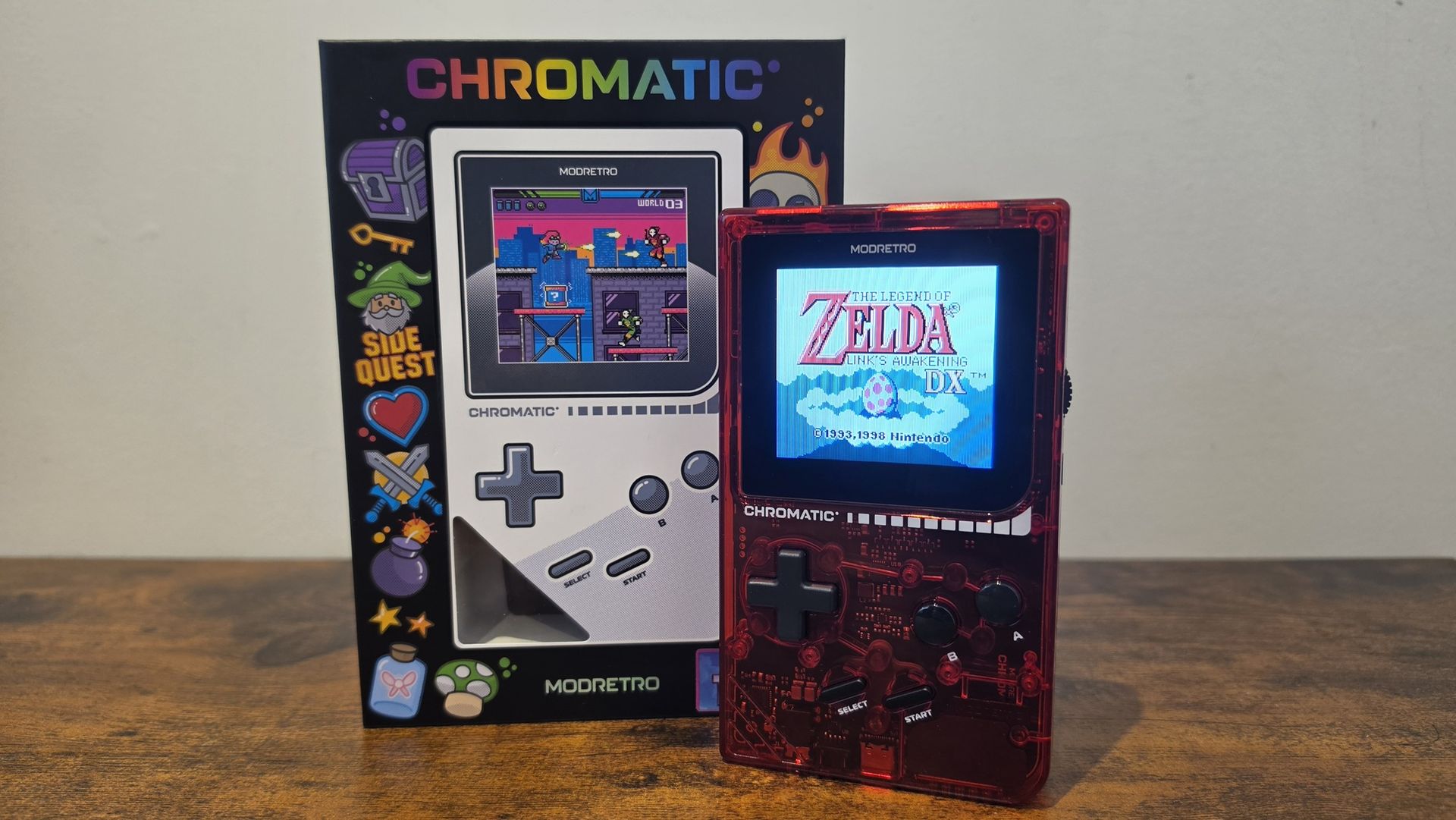
ModRetro has released the Chromatic Transparent, a refreshed version of its handheld console designed to play original Game Boy and Game Boy Color car…

WWE Money in the Bank 2026 is scheduled for Saturday, October 10, promising a significant shift in the wrestling landscape. The event features the sig…

As the gaming community anticipates the November 2026 release of GTA 6, a recent retrospective look at Grand Theft Auto 5 highlights the enduring qual…