
What Is a Wearable Exoskeleton, and Who Actually Needs One?

Wearable exoskeletons, once confined to research laboratories, are increasingly entering the consumer market. These devices are designed to augment human physical capabilities, providing support for activities like hiking, heavy lifting, or long-distance walking. By utilizing mechanical structures and sensors, they reduce the physical strain on the wearer's joints and muscles, effectively increasing endurance and reducing fatigue. While initially developed for industrial or medical rehabilitation purposes, new models are now targeting outdoor enthusiasts and active individuals. Choosing the right exoskeleton depends on specific use cases, such as the desired level of assistance and the terrain involved. As the technology matures and becomes more accessible, companies like Hypershell are promoting these devices through retail events, suggesting a shift toward mainstream adoption. Understanding the mechanics and limitations of these wearable robots is essential for anyone considering an investment in this emerging category of consumer hardware.
This is a summary. Read the full article at the original source:
CNETRelated stories
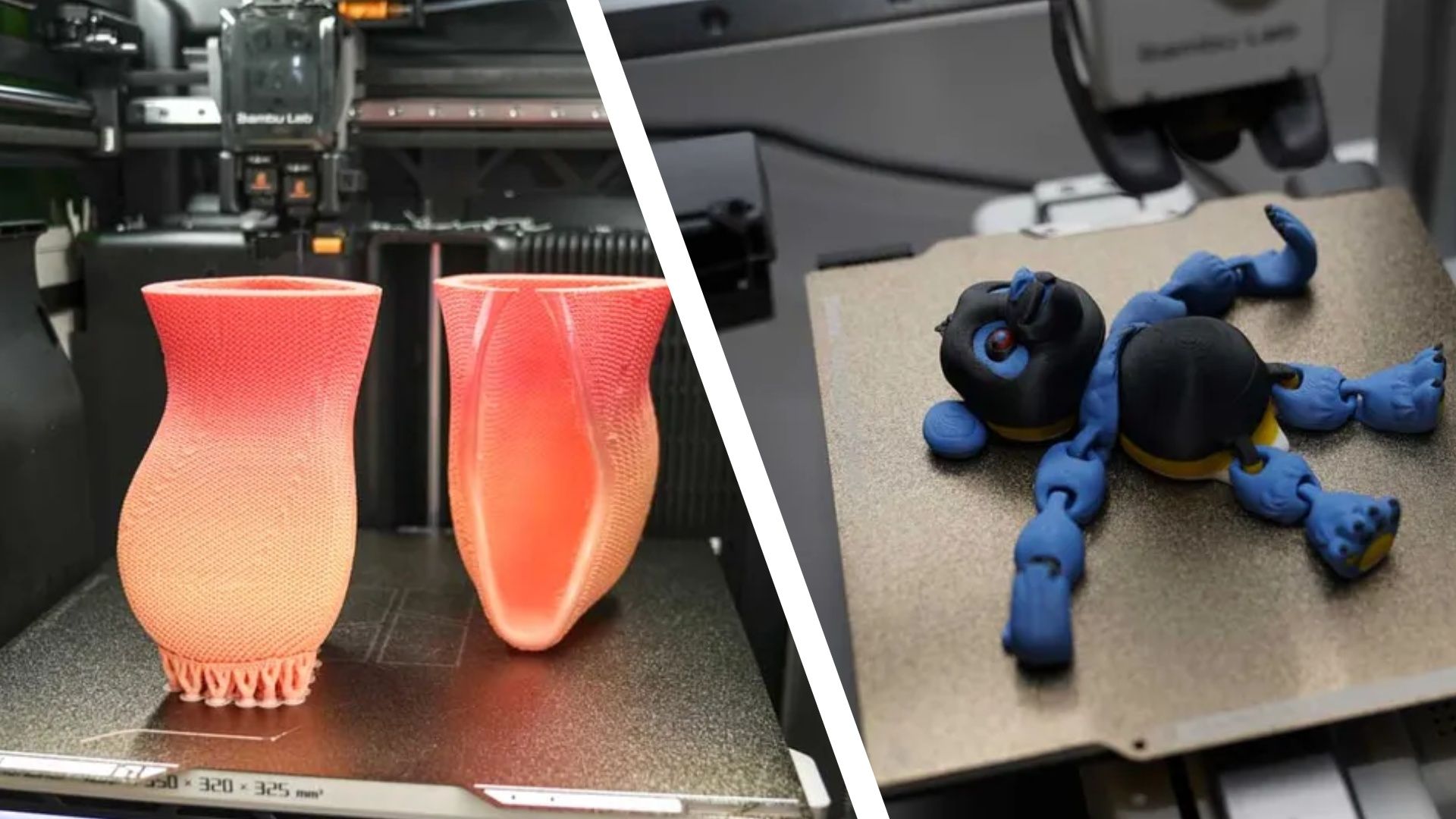
Bambu Lab Launches Halloween Sale with Discounts on 3D Printers and Supplies
Bambu Lab has officially kicked off its Halloween Sale, running from September 28 through October 16. The promotion features significant discounts on…

The Ugreen DXP4800 GT, a high-performance four-bay NAS, is currently available on Amazon for $559.99, reflecting a $100 discount from its original pri…
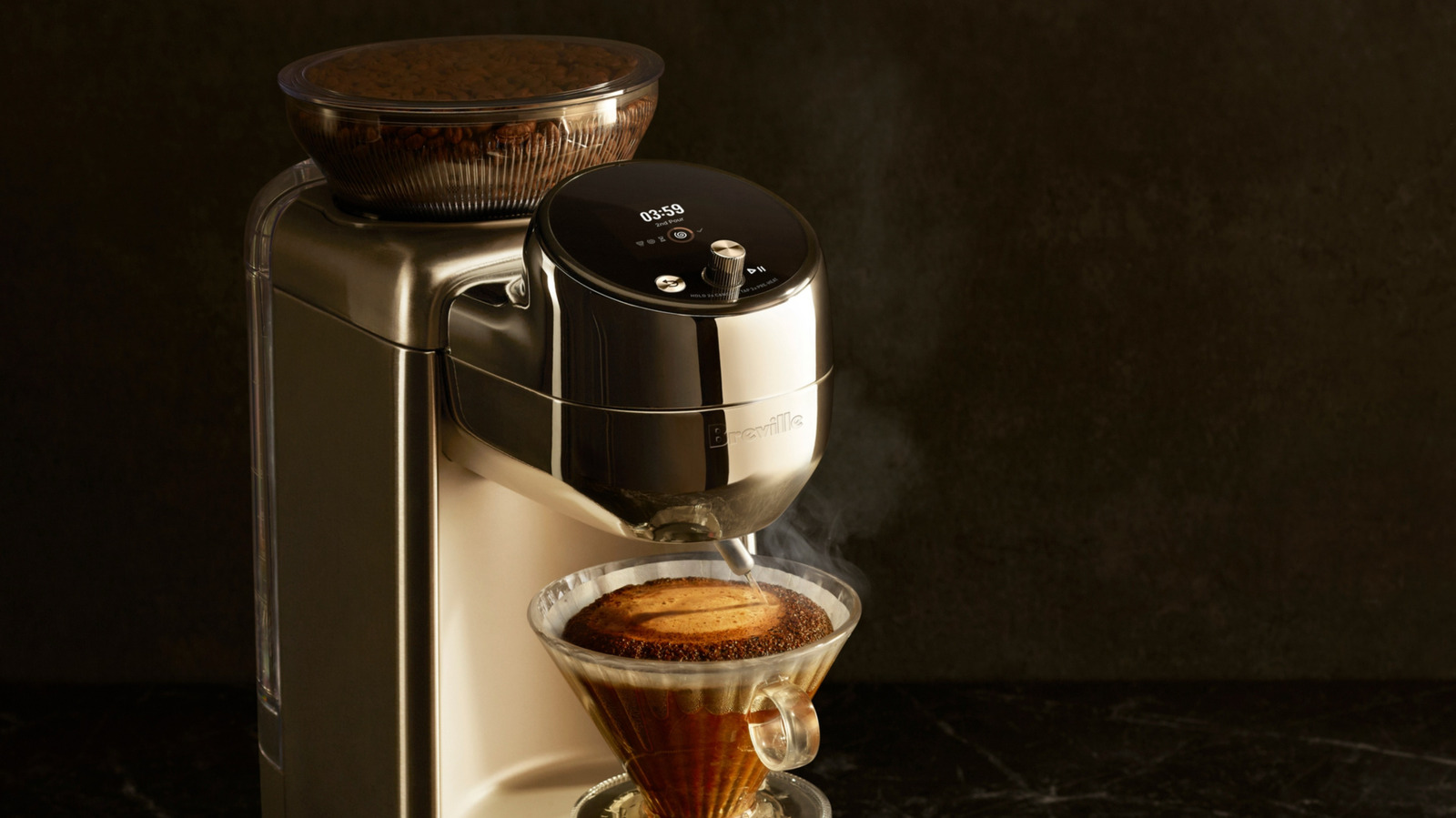
Breville has introduced a new high-end coffee machine priced at $600 that aims to automate the precise process of making pour-over coffee. Designed fo…