
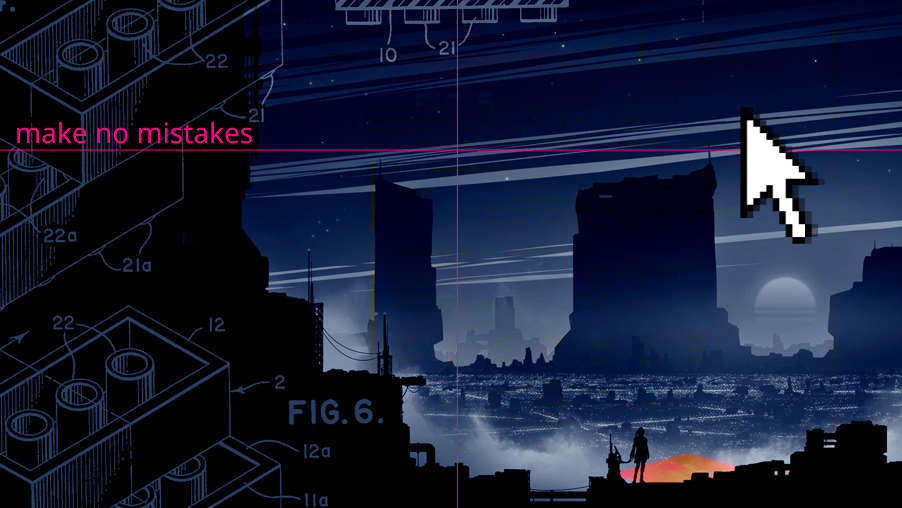
In his latest post, Andre Klein explores the evolving landscape of software development, specifically focusing on the concept of 'vibecoding'—a term describing the intuitive, AI-assisted approach to building software. Klein draws a parallel between modern AI-driven coding workflows and the historical evolution of Photoshop, noting how tools that once required deep technical expertise have become increasingly accessible through abstraction. The article examines the tension between the speed of AI-generated code and the pressure to maintain quality and architectural integrity. Klein argues that while AI significantly lowers the barrier to entry for building complex applications, it also shifts the developer's role from manual implementation to high-level orchestration. Ultimately, the piece reflects on how time constraints and the pressure to ship products influence the adoption of these new paradigms, suggesting that the future of development lies in balancing rapid iteration with a deep understanding of the underlying systems.
This is a summary. Read the full article at the original source:
Hacker News (YC)Related stories

Penguin Mail: An Open-Source Rust-Based Email Client for Linux with AI Integration
Penguin Mail has emerged as a new open-source email client specifically designed for the Linux ecosystem. Built using the Rust programming language, t…

How to determine video duration via link by downloading 7% of the file, and why the MP4 header can be zero
The author examines the technical challenge of determining the duration of MP4 video files. The focus is on scenarios where standard tools fail to rea…

What did AI change in my scheme? Incremental updates instead of full projects
The author analyzes changes in the development approach for the PlyLoom project following the integration of Large Language Model (LLM) tools. The foc…