
Vectorized and performance-portable Quicksort
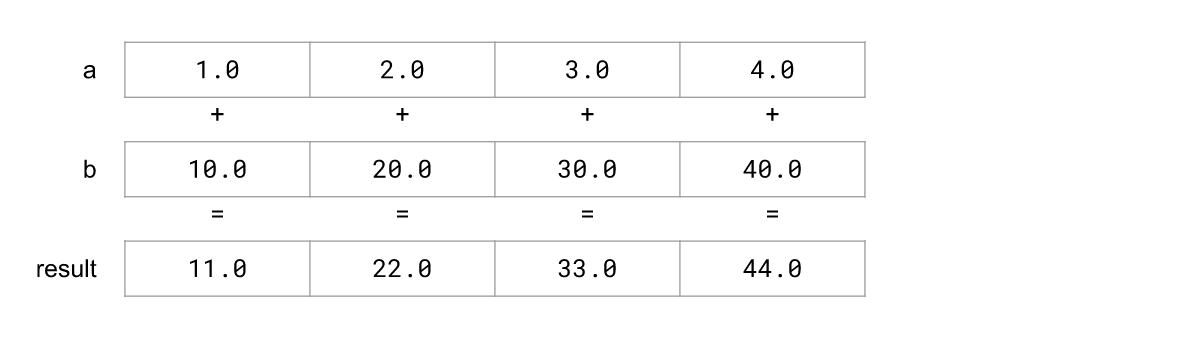
Google has introduced a new implementation of the classic Quicksort algorithm, focusing on vectorization and performance portability. By leveraging modern CPU instructions and SIMD (Single Instruction, Multiple Data) capabilities, the team has significantly improved sorting speeds across diverse hardware architectures. The project emphasizes the importance of writing code that remains efficient regardless of the underlying processor, moving away from architecture-specific optimizations that often lead to maintenance challenges. This approach utilizes C++ templates and compiler intrinsics to ensure that the algorithm can be easily adapted for different platforms while maintaining high performance. The release is part of Google's ongoing commitment to open-source software development, aiming to provide developers with highly optimized building blocks for their applications. By sharing these techniques, the company hopes to encourage better performance standards in software engineering and demonstrate the practical benefits of hardware-aware programming in modern computing environments.
This is a summary. Read the full article at the original source:
Hacker News (YC)Related stories

In his recent blog post, Colin Breck addresses the growing trend of using Large Language Models (LLMs) to generate technical content. Breck argues tha…
The creator of the 'Giga Pisar' application, built on Sber's GigaAM speech recognition technology, has summarized the first week following their debut…

This Habr article explores the computer as a fundamental mathematical structure, inviting readers to view computational processes through the lens of…