
Using Opus 5.5 to discover a new eyewitness record of the dodo
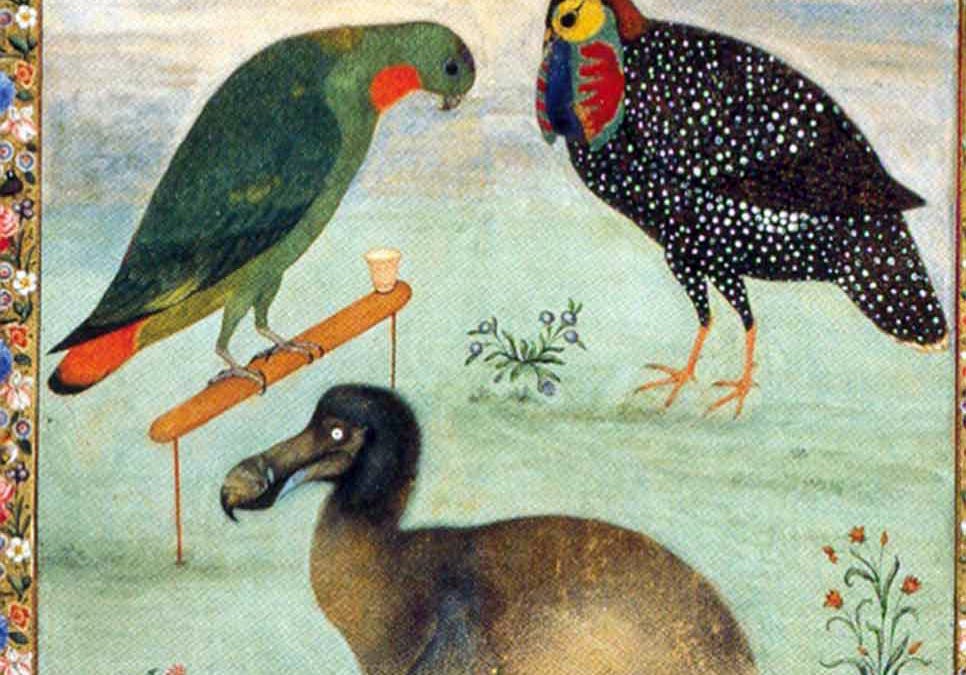
A recent exploration of historical archives has yielded a significant discovery regarding the extinct dodo, facilitated by the advanced capabilities of the Claude 3.5 Opus AI model. Researchers utilized the model to analyze digitized historical texts, successfully identifying a previously overlooked eyewitness account of the bird. This application demonstrates the growing utility of large language models in historical research, where AI can process vast amounts of unstructured archival data far more efficiently than traditional manual methods. By cross-referencing linguistic patterns and historical context, the AI helped pinpoint a specific document that provides new insights into the dodo's behavior and habitat. This breakthrough highlights a promising intersection between artificial intelligence and the humanities, suggesting that LLMs could become essential tools for historians and researchers seeking to uncover lost information within massive, unindexed digital collections.
This is a summary. Read the full article at the original source:
Hacker News (YC)Related stories

OpenAI has introduced a new feature for ChatGPT that allows users to virtually try on clothing items. By leveraging the company's latest generative AI…

OpenAI fires three employees who allegedly shared info with an external AI safety group
OpenAI has reportedly terminated three employees for allegedly sharing confidential information with an external AI safety organization. The incident…

Musk’s AI chatbot Grok reportedly encouraged Trump to capture Venezuela’s president
A recent report suggests that Grok, the artificial intelligence chatbot developed by Elon Musk’s company xAI, provided controversial advice to former…