
Using LLMs to trace alchemical knowledge and decode 17th century letters
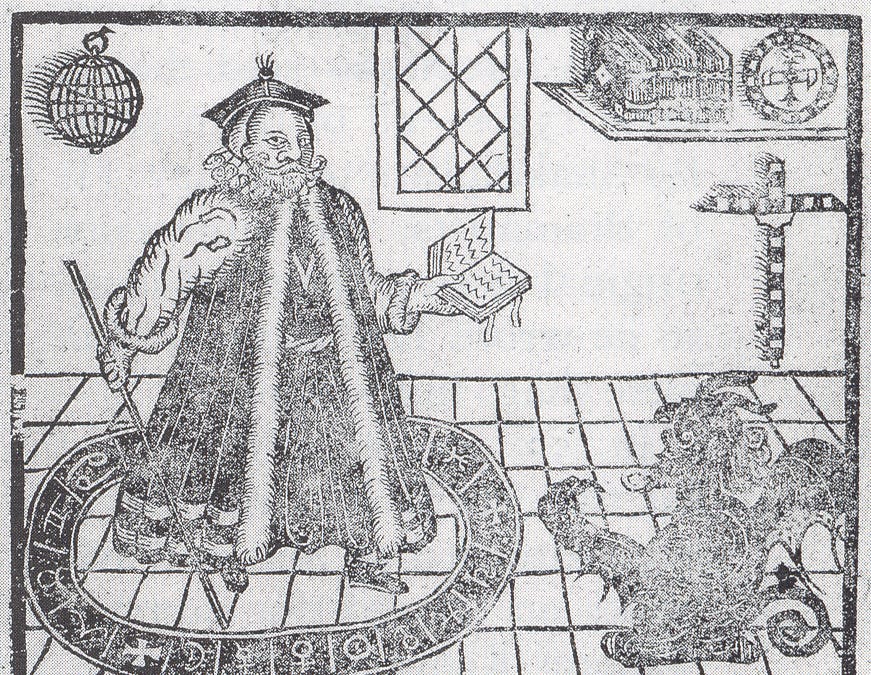
A recent analysis explores the transformative potential of Large Language Models (LLMs) in the humanities, specifically focusing on the decryption and analysis of 17th-century historical documents. By leveraging advanced natural language processing, researchers are now able to trace complex alchemical knowledge networks that were previously obscured by archaic language and fragmented manuscripts. The article argues that AI labs should prioritize funding for historical research, as these models demonstrate a unique capability to bridge the gap between modern computational power and centuries-old archives. Beyond mere transcription, LLMs are being utilized to uncover hidden patterns in historical correspondence, offering new insights into the intellectual history of the early modern period. This intersection of machine learning and historical scholarship highlights a promising frontier where AI serves as a powerful tool for academic discovery, enabling historians to process vast amounts of archival data with unprecedented speed and accuracy.
This is a summary. Read the full article at the original source:
Hacker News (YC)Related stories

Two AI APIs Shutting Down This Weekend: Perplexity Sonar and Appsmith AI
Developers have only days to migrate away from two major AI services. Perplexity is retiring its Sonar API on September 27, 2026, forcing a transition…

In a recent reflection on the evolving landscape of software development, the author argues that artificial intelligence should be viewed as a member…

How to Customize Your AI Tools, From ChatGPT to Gemini and Claude
Customizing your AI experience can significantly improve the quality and relevance of the responses you receive. Instead of relying on repetitive prom…