
Understanding the Differences Between Volatile and Non-Volatile Memory
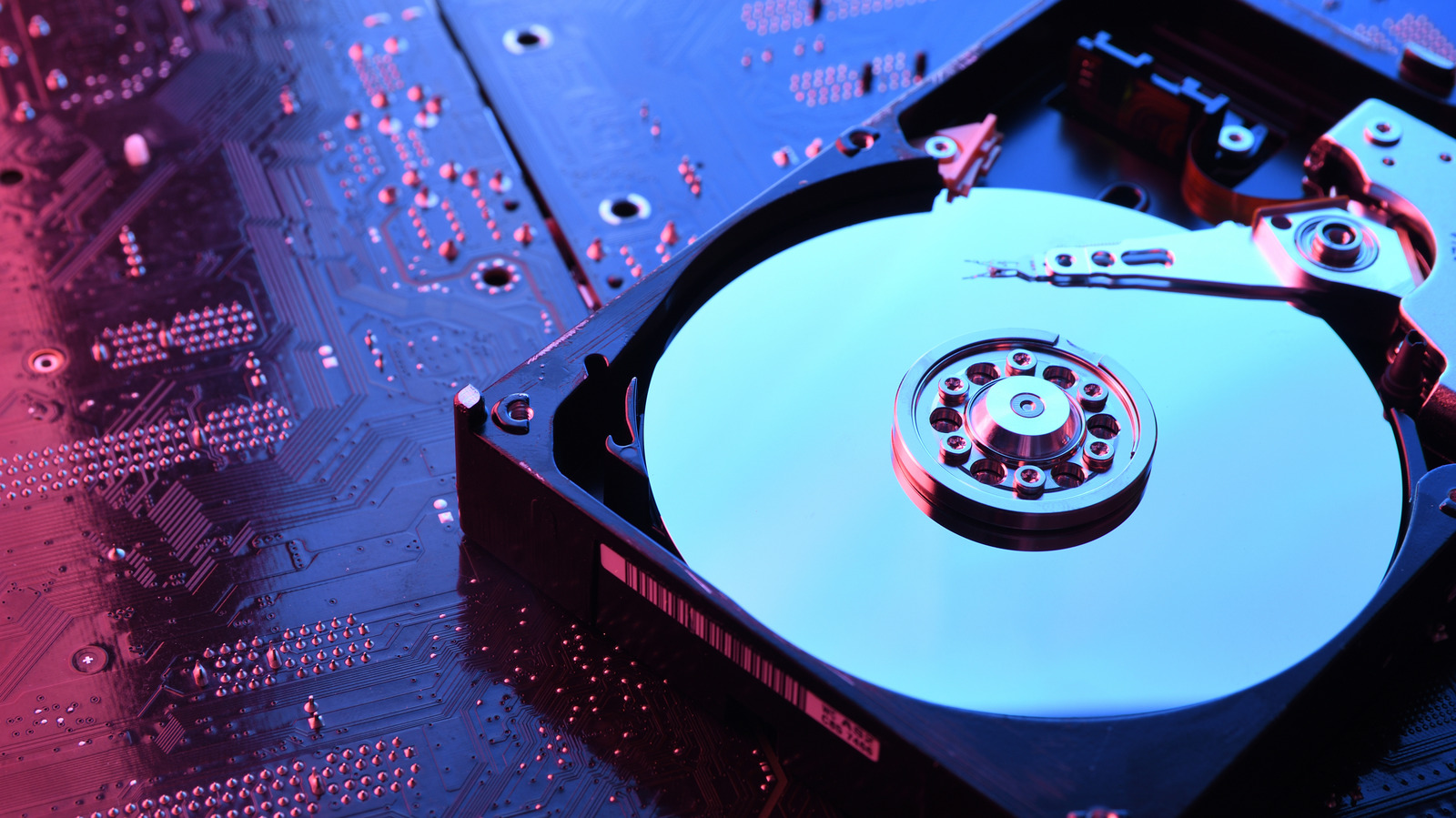
Volatile and non-volatile memory serve as the backbone of modern computing, each playing a distinct role in how devices store and process information. Volatile memory, such as RAM, is designed for high-speed data access and temporary storage; however, it requires a constant power supply to maintain its contents. Once the device is powered off, the data stored in volatile memory is lost. In contrast, non-volatile memory, including storage solutions like SSDs, HDDs, and flash drives, retains data even when the power is disconnected. This makes it ideal for long-term storage of operating systems, applications, and personal files. Understanding the interplay between these two types of memory is essential for grasping how computers boot up, run software efficiently, and preserve user data. By balancing the speed of volatile memory with the persistence of non-volatile storage, modern hardware achieves the performance levels users expect from their devices.
This is a summary. Read the full article at the original source:
EngadgetRelated stories

Restarting your computer is a piece of advice that has persisted for decades, but its relevance in the modern computing landscape is often debated. Wh…

From Wearables to Robots to Tabletop Trinkets, the AI Hardware Scene Is Booming
At IFA 2026, the consumer electronics landscape showcased a significant shift toward dedicated AI hardware. Moving beyond software-based integrations,…

In a detailed technical breakdown, developer Nishant Joshi explores the complex engineering challenges involved in building a functional printer from…