
This road map could help us decide whether to deploy solar geoengineering

The San Francisco-based nonprofit Reflective has released a comprehensive research road map aimed at addressing the scientific and engineering uncertainties surrounding stratospheric aerosol injection (SAI). This proposed plan outlines a decade-long, $370 million effort to determine the feasibility and risks of solar geoengineering, which involves releasing reflective particles into the stratosphere to mimic volcanic cooling. While proponents argue that such research is essential for informed decision-making, the initiative faces significant controversy. Critics, including many academics, advocate for a ban on outdoor experiments, citing concerns over global governance, equity, and the potential for irreversible environmental consequences. As Reflective continues to fund research and develop simulation tools, the debate persists over whether the technical pursuit of planet-altering technology can ever be separated from the complex political and ethical questions regarding who controls the climate and who bears the risks.
This is a summary. Read the full article at the original source:
MIT Technology ReviewRelated stories
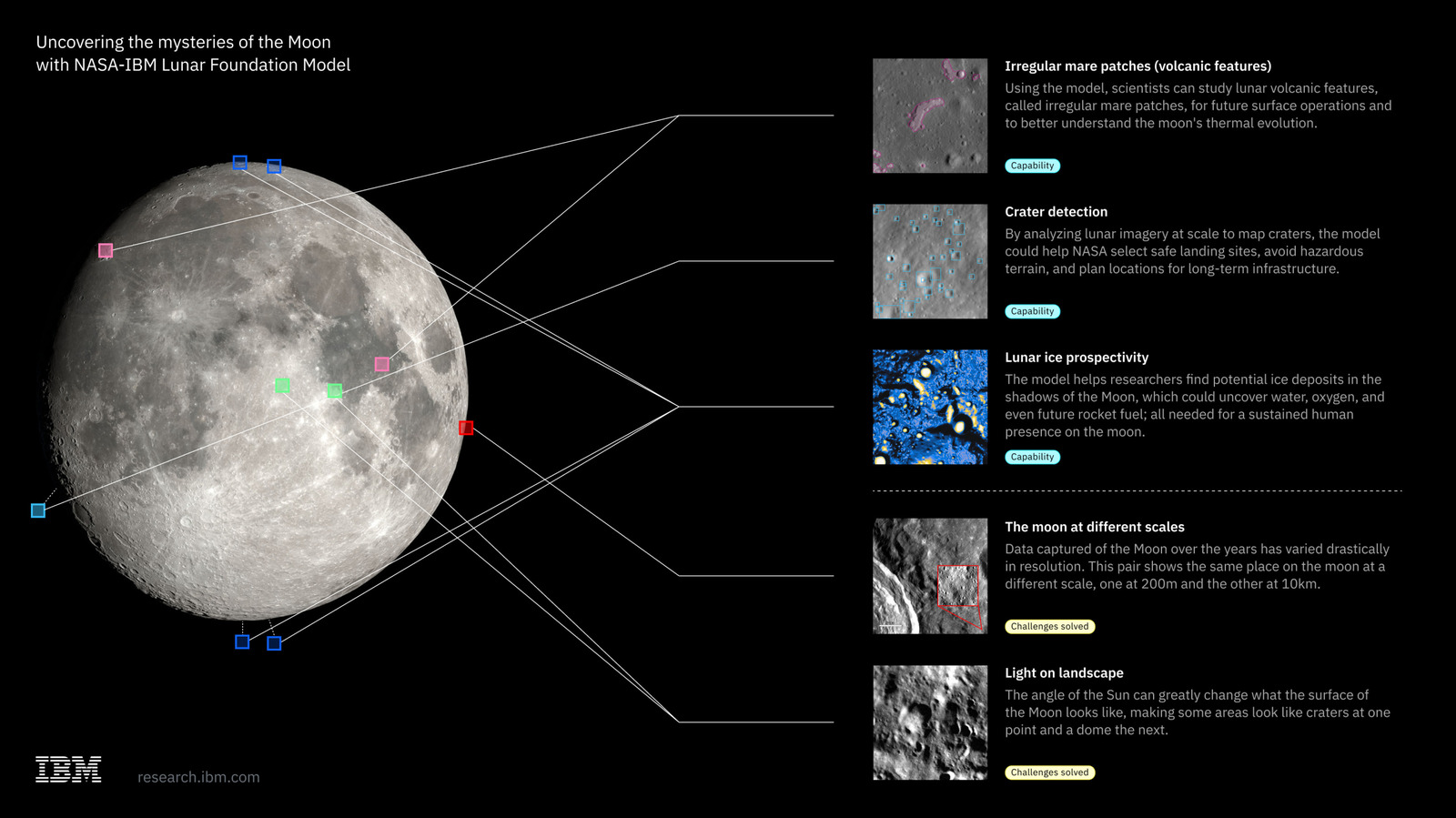
NASA and IBM have announced a new collaboration focused on the development of an artificial intelligence model specifically designed for lunar explora…
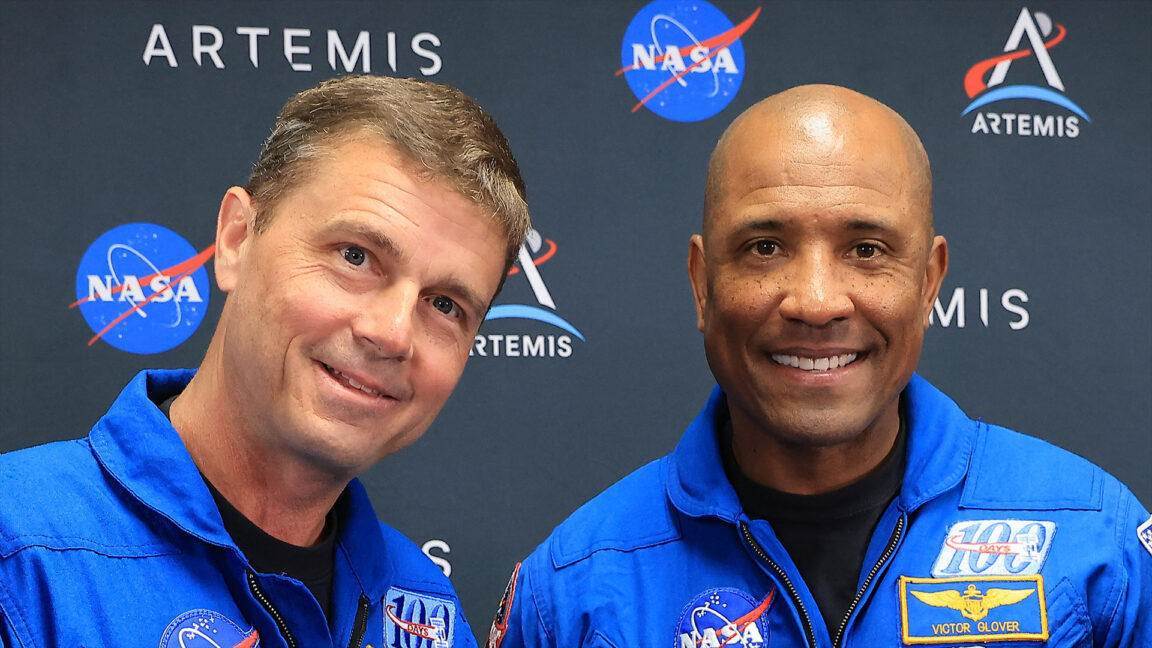
Five months after their successful Artemis II mission to the Moon, commander Reid Wiseman and pilot Victor Glover have achieved a new milestone by bec…
In this article, the author critiques the modern scientific publishing system, arguing that it has become a closed club that hinders scientific progre…