
The reason why your drive shows less storage than you paid for

Many consumers are often confused when a newly purchased storage device, such as an SSD or hard drive, displays a lower capacity in their operating system than what is advertised on the packaging. This discrepancy is not a defect or a scam, but rather a result of how manufacturers and operating systems calculate storage units. Manufacturers typically use the decimal system (base 10), where one gigabyte equals 1,000 megabytes. In contrast, operating systems like Windows often use the binary system (base 2), where one gibibyte equals 1,024 mebibytes. Additionally, a portion of the drive's total capacity is reserved for essential file system structures, partition tables, and hidden recovery partitions required for the device to function correctly. Understanding these technical differences helps clarify why the usable space on a drive is consistently lower than the marketing specifications provided by the hardware manufacturer.
This is a summary. Read the full article at the original source:
EngadgetRelated stories
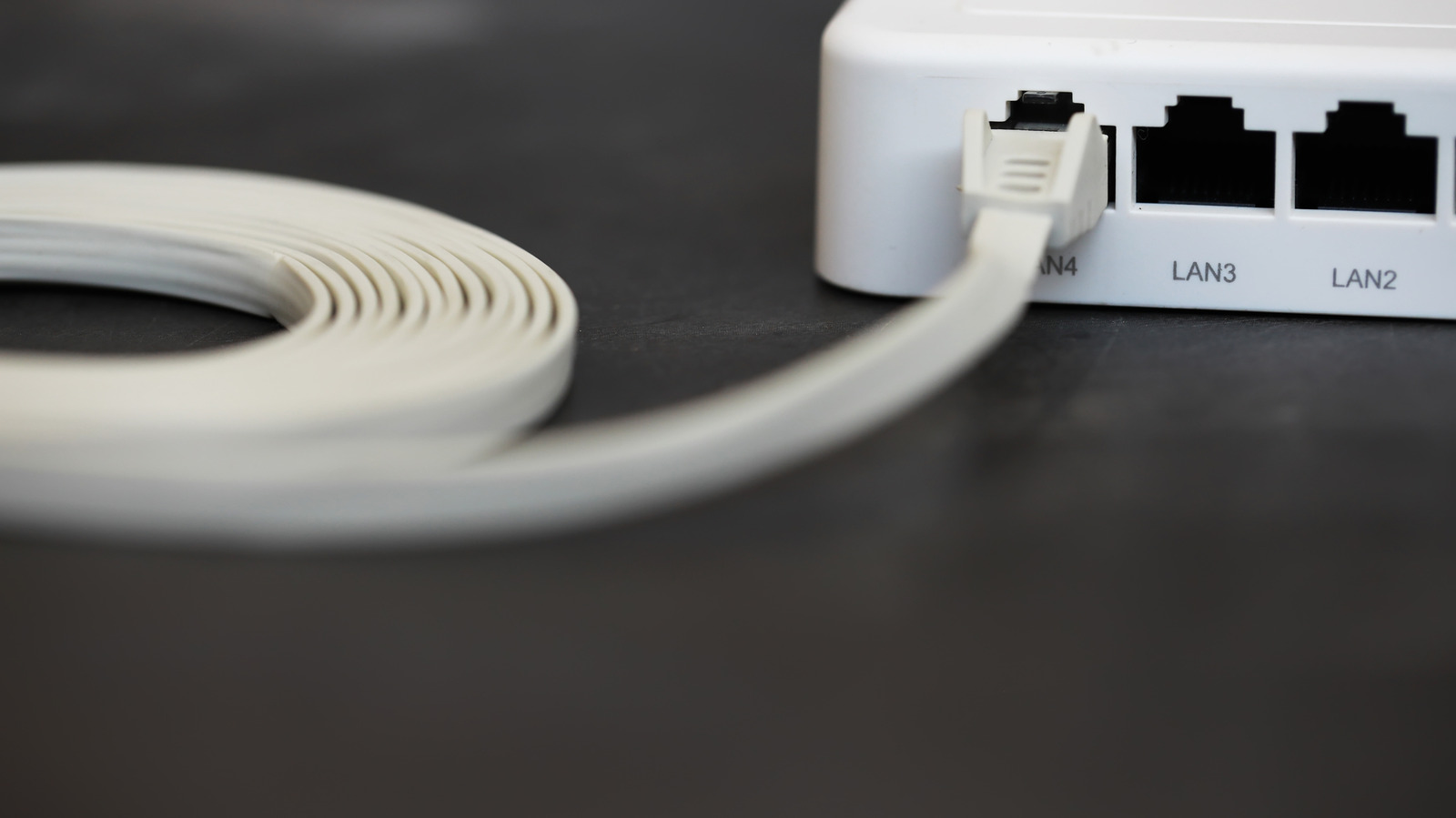
Flat Ethernet cables are likely not the solution for your home networking issues
While flat Ethernet cables are often marketed for their convenience and ease of installation under carpets or around tight corners, they frequently co…

Viewsonic VG1457 Portable Monitor Review: More Display in a Lot Less Space
The Viewsonic VG1457 portable monitor offers a unique dual-display solution designed for users who need to maximize their screen real estate without s…

Amazon's Alexa-enabled devices are designed with microphones that remain in a constant state of listening to detect the wake word. While this function…