

Wi-Fi calling is a feature that allows users to make voice calls and send text messages over a wireless internet connection rather than relying solely on cellular towers. This technology is particularly beneficial for individuals living or working in areas with poor cellular reception, as it ensures connectivity in locations where traditional signals might fail. However, the feature is not without its drawbacks. Users should be aware of potential issues such as call quality fluctuations depending on network stability, security considerations when using public Wi-Fi networks, and potential compatibility limitations with certain devices or carriers. While Wi-Fi calling offers a convenient solution for staying connected in dead zones, it is important to weigh these technical and security trade-offs before enabling the service on your smartphone. Understanding how your carrier handles these calls is essential for a seamless experience.
This is a summary. Read the full article at the original source:
EngadgetRelated stories

China’s Getting All the Cool Phone Tech. Where’s My Robot Camera and Rear Screen?
At the recent Snapdragon Summit 2026, a wave of cutting-edge mobile hardware was showcased, highlighting a growing disparity in innovation availabilit…

T-Mobile has launched a limited-time promotion offering the Google Pixel 11 at no cost to customers who activate a new line on most eligible service p…
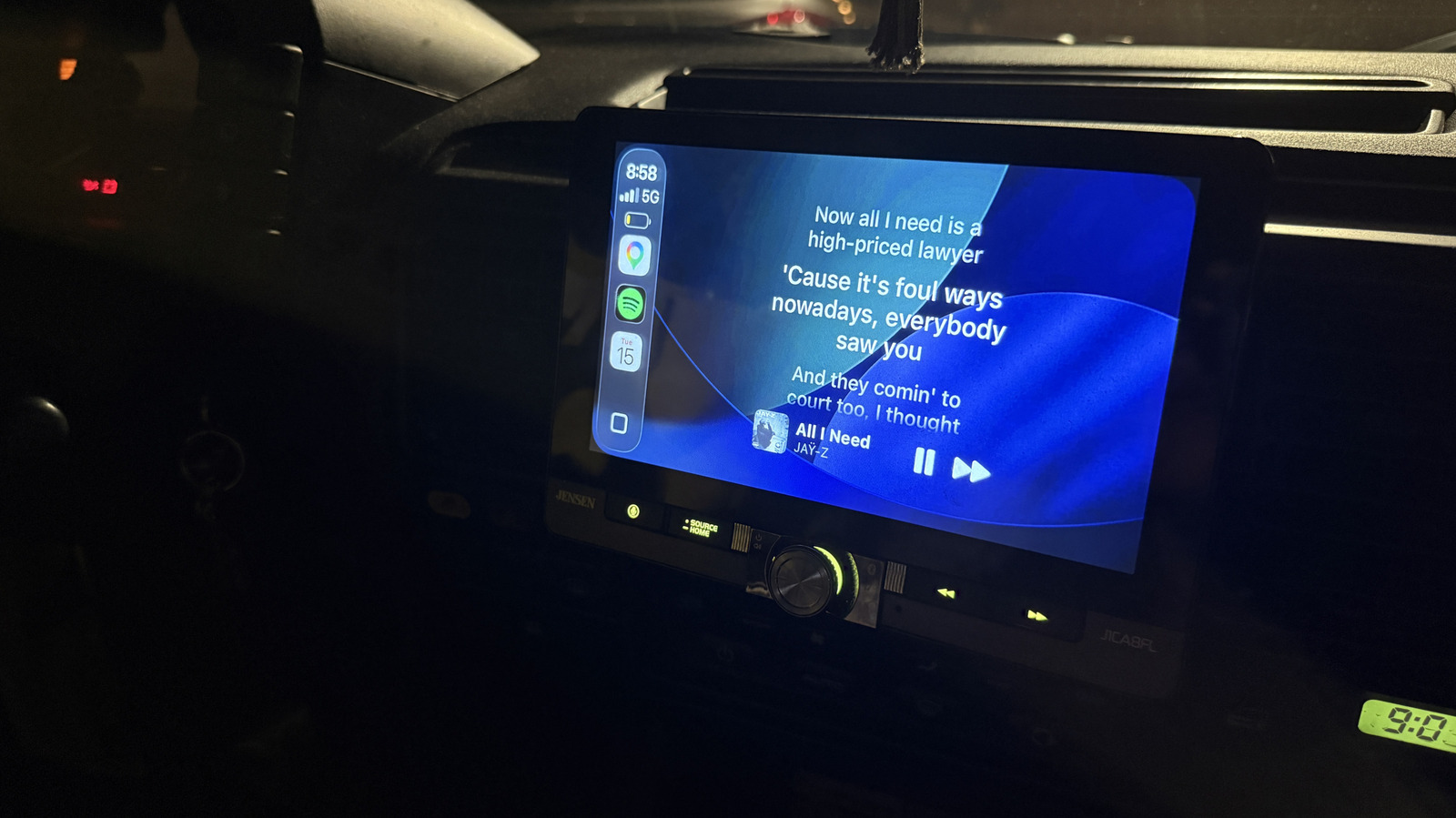
A new third-party application called Dynamic Lyrics is gaining attention for its ability to bring real-time song lyrics to the Apple CarPlay interface…