
The Internet’s undersea backbone is slipping into the danger zone
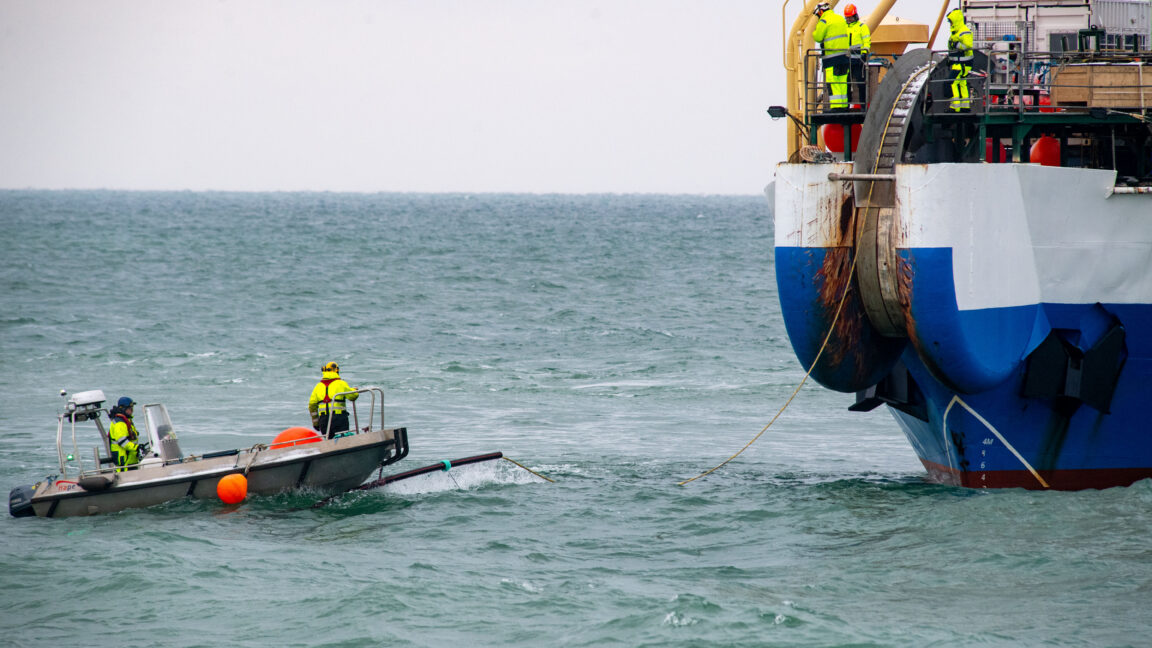
Despite the rapid growth of satellite communications like Starlink, the vast majority of global internet traffic remains dependent on fiber-optic undersea cables. A new book by Elisabeth Braw, 'Undersea War,' highlights the increasing vulnerability of this critical infrastructure to sabotage and gray-zone warfare. While human error, such as accidental damage from fishing nets and anchors, accounts for approximately 60 percent of the 150 to 200 annual cable incidents, the geopolitical landscape is shifting. Braw notes that these underwater links, which share the seabed with oil and gas pipelines, are increasingly becoming targets in modern conflicts. As global connectivity relies heavily on these physical connections, the rising frequency of suspicious activities near these cables poses a significant threat to international stability. The book serves as a warning that the invisible infrastructure beneath the waves is no longer as secure as it once was.
This is a summary. Read the full article at the original source:
Ars TechnicaRelated stories

The Current State of Data Centers, the Market, and Infrastructure Migration
The author shares observations on the current state of the Russian cloud services market amid mass corporate infrastructure migration. While many prov…

Data services suite and AI platform expansion: What's new at Selectel in September
Selectel has unveiled key infrastructure updates for September. The focus is on the development of its AI platform: the list of available models in th…
Data center boom across Europe could lead to higher electricity prices, report warns
A new report from Moody's warns that the rapid expansion of data centers across Europe may lead to significant increases in electricity prices for con…