

Apple has officially unveiled details regarding the manufacturing process of its highly anticipated foldable smartphone. The company revealed that it utilized advanced artificial intelligence and 3D printing technologies to engineer the device's complex hinge mechanism. By leveraging AI-driven design simulations, Apple engineers were able to optimize the durability and flexibility of the hinge, ensuring it meets the company's rigorous standards for longevity. Furthermore, the integration of 3D printing allowed for the rapid prototyping of intricate components that would be difficult to produce using traditional manufacturing methods. This announcement marks a significant shift in Apple's hardware production strategy, signaling a deeper commitment to integrating cutting-edge computational design into its consumer electronics pipeline. As the foldable market continues to evolve, Apple's focus on precision engineering through AI suggests a competitive effort to overcome common durability issues associated with folding display technology.
This is a summary. Read the full article at the original source:
TechCrunchRelated stories

Everything Apple announced at its fall iPhone event, from the foldable iPhone Duo to an always-listening Apple Watch
Apple’s highly anticipated fall event centered on the debut of its first foldable smartphone, the iPhone Duo. This device marks a significant shift in…
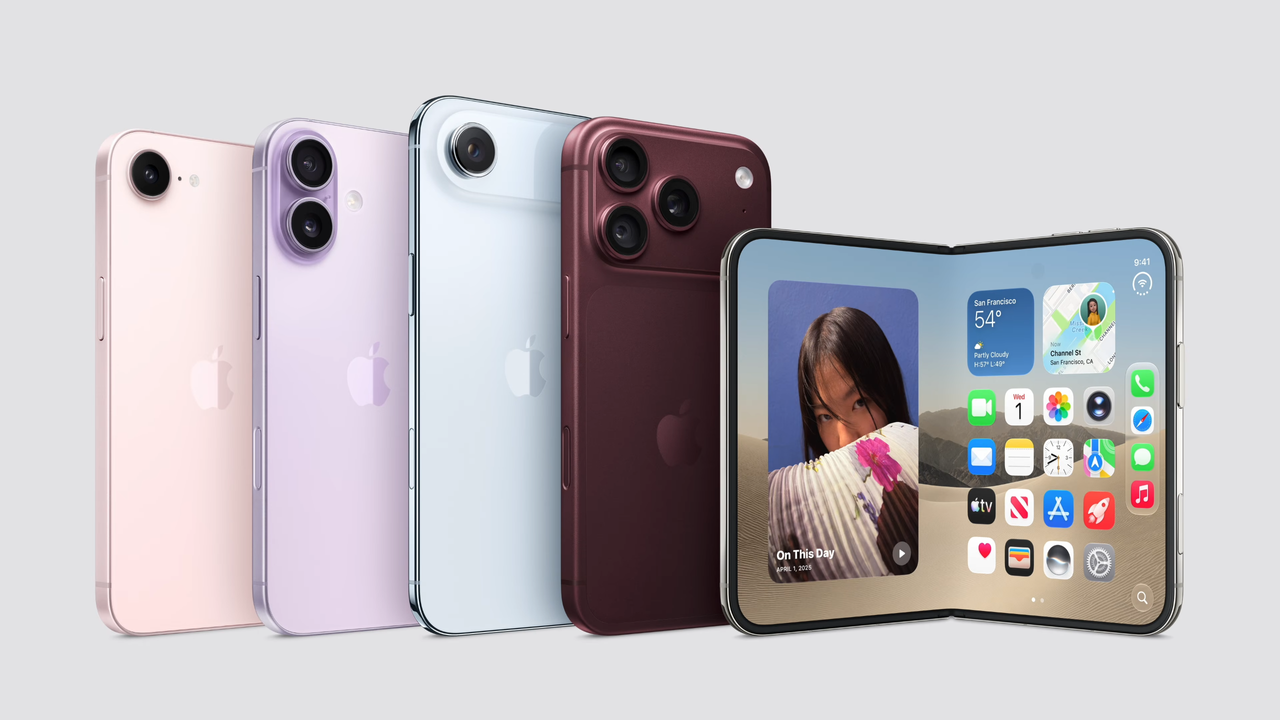
Apple iPhone 18 Pro & Apple iPhone Duo preorders: everything you need to know, including start times, deals, and pricing
Apple has officially announced the upcoming release of its latest smartphone lineup, featuring the iPhone 18 Pro, iPhone 18 Pro Max, and the company's…

Apple has officially entered the foldable smartphone market with the introduction of the iPhone Duo. The device features a compact 5.4-inch outer disp…