
The Marshall Project examines the systemic challenges inherent in the 911 emergency response system, particularly regarding its role in handling mental health crises. The article argues that the current infrastructure, designed primarily for immediate physical emergencies and crime, is ill-equipped to address the complexities of mental health-related calls. By relying on law enforcement as the primary responders, the system often exacerbates volatile situations rather than providing necessary therapeutic or social support. The report highlights the growing debate over whether emergency dispatch protocols should be overhauled to integrate specialized mental health professionals instead of police officers. As cities across the United States experiment with alternative response models, the piece underscores the critical need for policy reform to ensure that emergency services effectively serve vulnerable populations without resorting to punitive measures, ultimately questioning the efficacy of the current emergency dispatch framework in a modern societal context.
This is a summary. Read the full article at the original source:
Hacker News (YC)Related stories
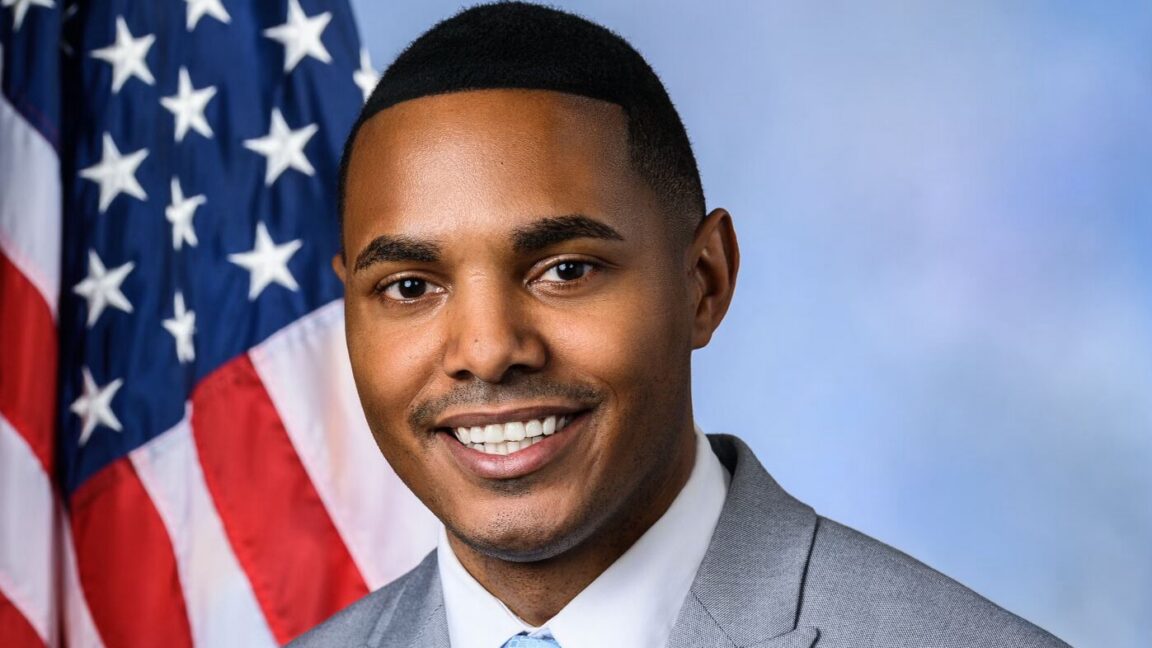
US Representative Ritchie Torres has introduced the 'Power to Players Act,' a legislative proposal aimed at redefining consumer rights in the digital…

Chicago-Area Police Assisted HSI in Surveillance of Minnesota Anti-ICE Activists
A recent investigation by Wired reveals that local law enforcement agencies in the Chicago area collaborated with Homeland Security Investigations (HS…

The IEEE Smart Cities Technical Community has officially transitioned into a permanent technical community under the IEEE Technical Activities Board.…