
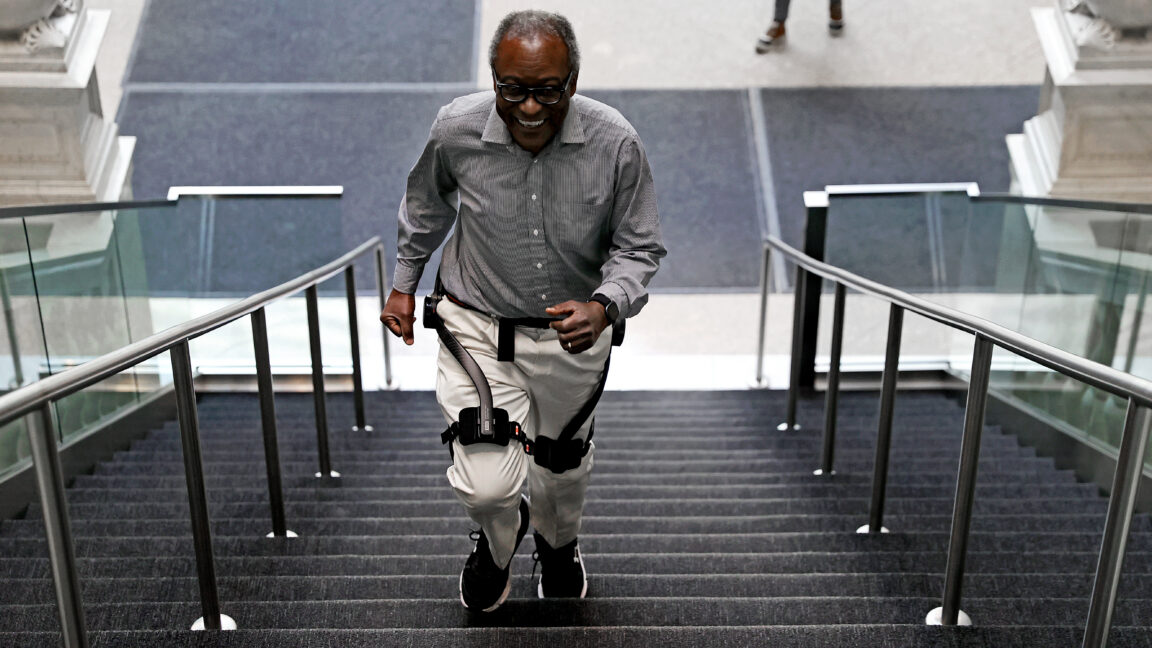
Seattle Mountain Rescue teams are currently field-testing powered human exoskeletons to enhance their search and rescue operations in the Pacific Northwest. These wearable mechanical structures attach to the hips and legs, providing significant assistance to rescuers by boosting lower-body strength and endurance. By reducing physical fatigue during strenuous hikes in rugged terrain while carrying heavy equipment, these devices aim to increase the speed and effectiveness of rescue missions. The ongoing trials represent a significant step in the integration of assistive robotics into demanding real-world environments. As the technology matures, it promises to transform how emergency responders operate in challenging wilderness conditions, potentially saving more lives by allowing teams to reach stranded individuals faster and with greater physical capacity than previously possible.
This is a summary. Read the full article at the original source:
Ars TechnicaRelated stories
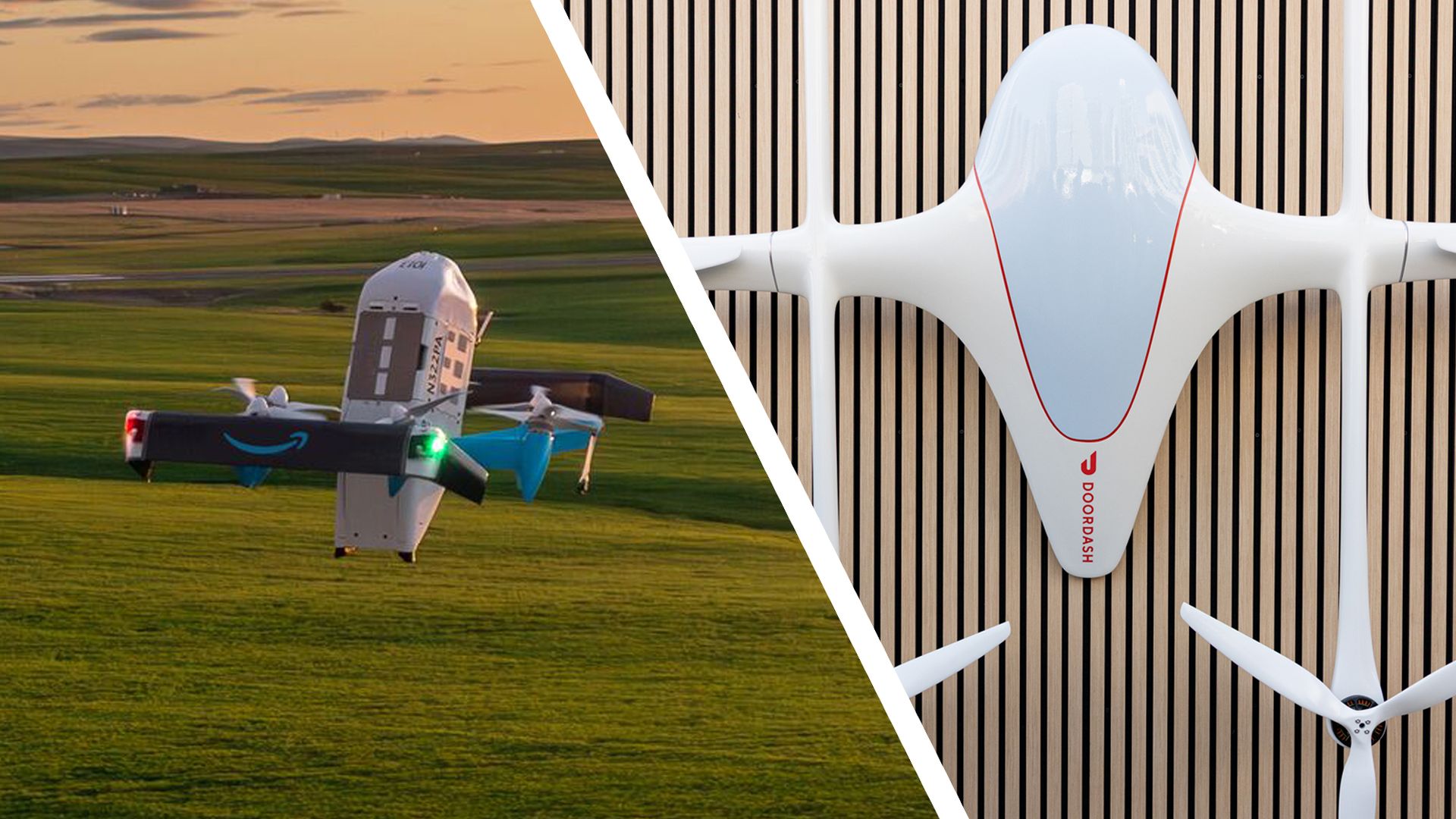
DoorDash has introduced 'DoorDash Air,' a new drone delivery initiative currently undergoing testing in Northern California. The service aims to deliv…
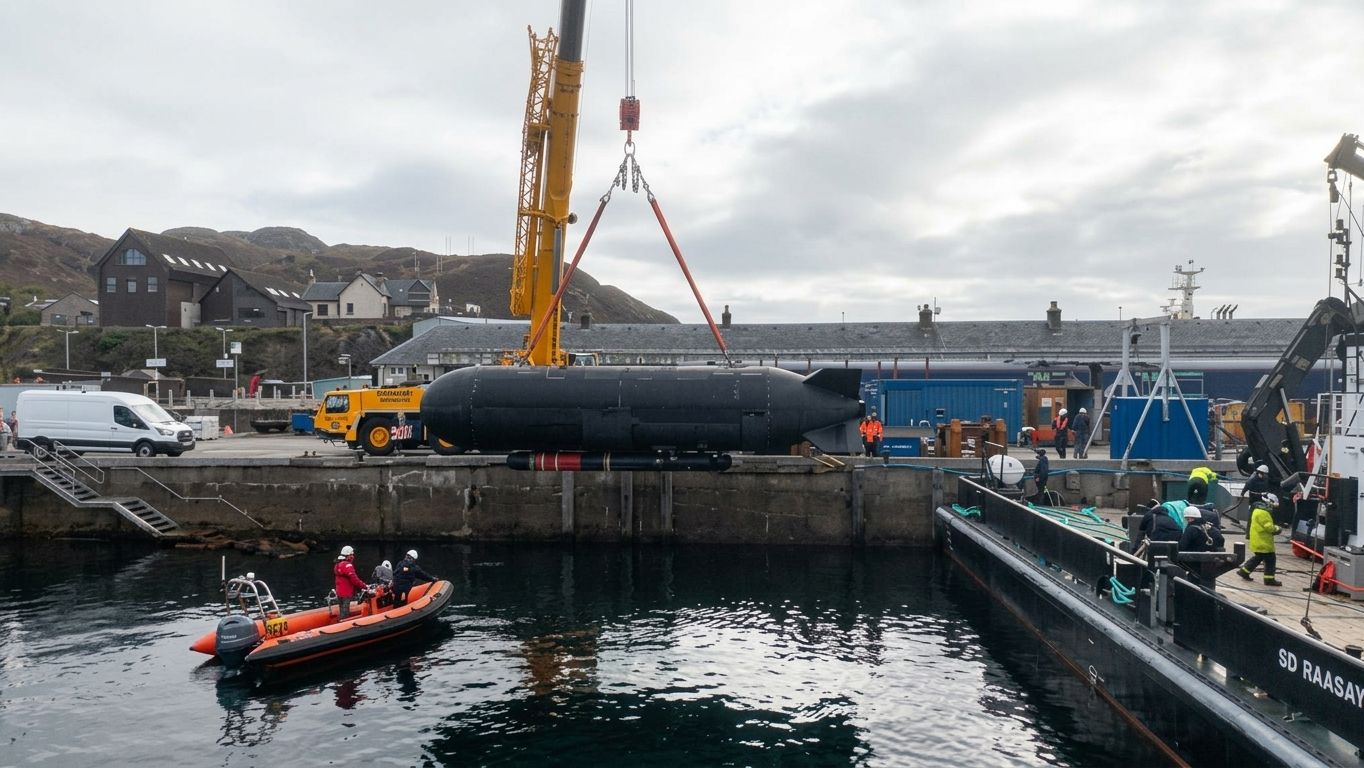
US and UK Navies achieve historic first with torpedo launch from uncrewed submarine
The US and UK navies have successfully completed a historic test under Project Broadsword, launching an American Mk 48 heavyweight torpedo from the Br…

Figure AI has officially retired its F.02 humanoid robot fleet in a dramatic fashion, paying homage to the iconic finale of Terminator 2: Judgment Day…