
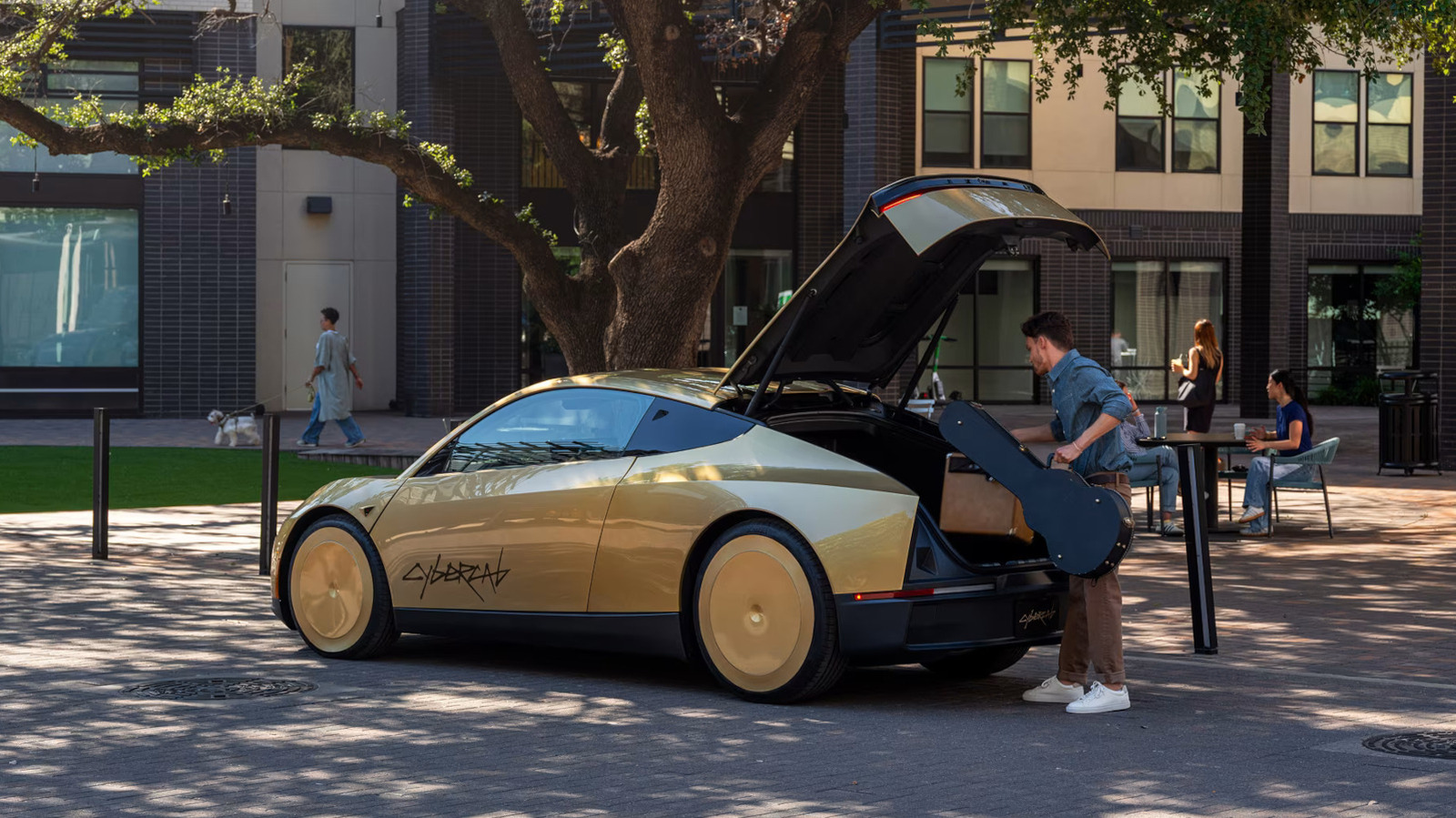
Tesla has officially begun offering rides in its Cybercab, the company's dedicated autonomous vehicle designed without a steering wheel or pedals. This milestone marks a significant step in Elon Musk's vision for a fully driverless transportation network. The Cybercab, which relies entirely on Tesla's vision-based autonomous driving technology, is intended to operate as a ride-hailing service, potentially disrupting the traditional taxi and ride-share markets. While the vehicle represents a major hardware innovation, its deployment faces ongoing scrutiny regarding safety, regulatory approval, and the reliability of its self-driving software in complex urban environments. As Tesla expands this pilot program, the industry is closely watching how the company manages the transition from experimental prototype to a functional, scalable robotaxi fleet. This launch underscores Tesla's commitment to autonomous systems as a core component of its future business model, moving beyond consumer-owned electric vehicles toward autonomous mobility services.
This is a summary. Read the full article at the original source:
EngadgetRelated stories
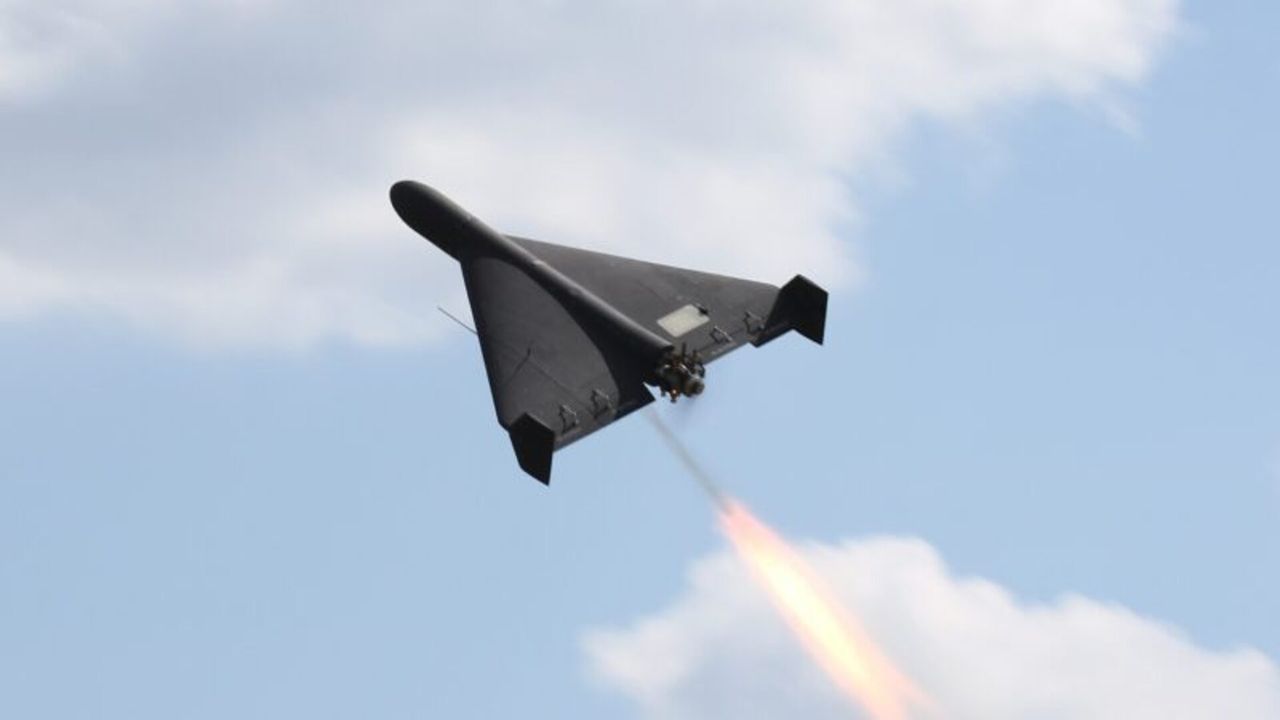
US Army awards $465 million contract for LOCUST X3 anti-drone laser controlled by Xbox controller
The US Army has awarded a $465 million contract to AeroVironment for the production of the LOCUST X3, a 30-kilowatt high-energy laser weapon system de…

US Army faces congressional scrutiny over decision to disband specialized drone battalion
A bipartisan group of US senators and representatives has formally challenged the Army's decision to disband the 3rd battalion of the 504th Parachute…

Rivian is advancing its self-driving capabilities with the introduction of 'Autonomy+,' a point-to-point semiautonomous system designed for its R1 and…