

Tesla is encountering significant hurdles in scaling the production of its Optimus humanoid robot. While the company set an ambitious target of manufacturing 20,000 units per week, recent reports from The Information indicate that output reached only several hundred robots per week last month. To accelerate development, Tesla repurposed production lines previously used for the Model S and Model X vehicles. However, this integration has resulted in unexpected manufacturing snags, particularly concerning the assembly of complex components like the robot's hands. These production difficulties highlight the complexities of transitioning from automotive manufacturing to advanced robotics. As Tesla continues to refine its assembly processes, the company must overcome these technical bottlenecks to meet its long-term production goals. The situation underscores the broader challenges in mass-producing sophisticated humanoid technology for commercial use.
This is a summary. Read the full article at the original source:
The VergeRelated stories
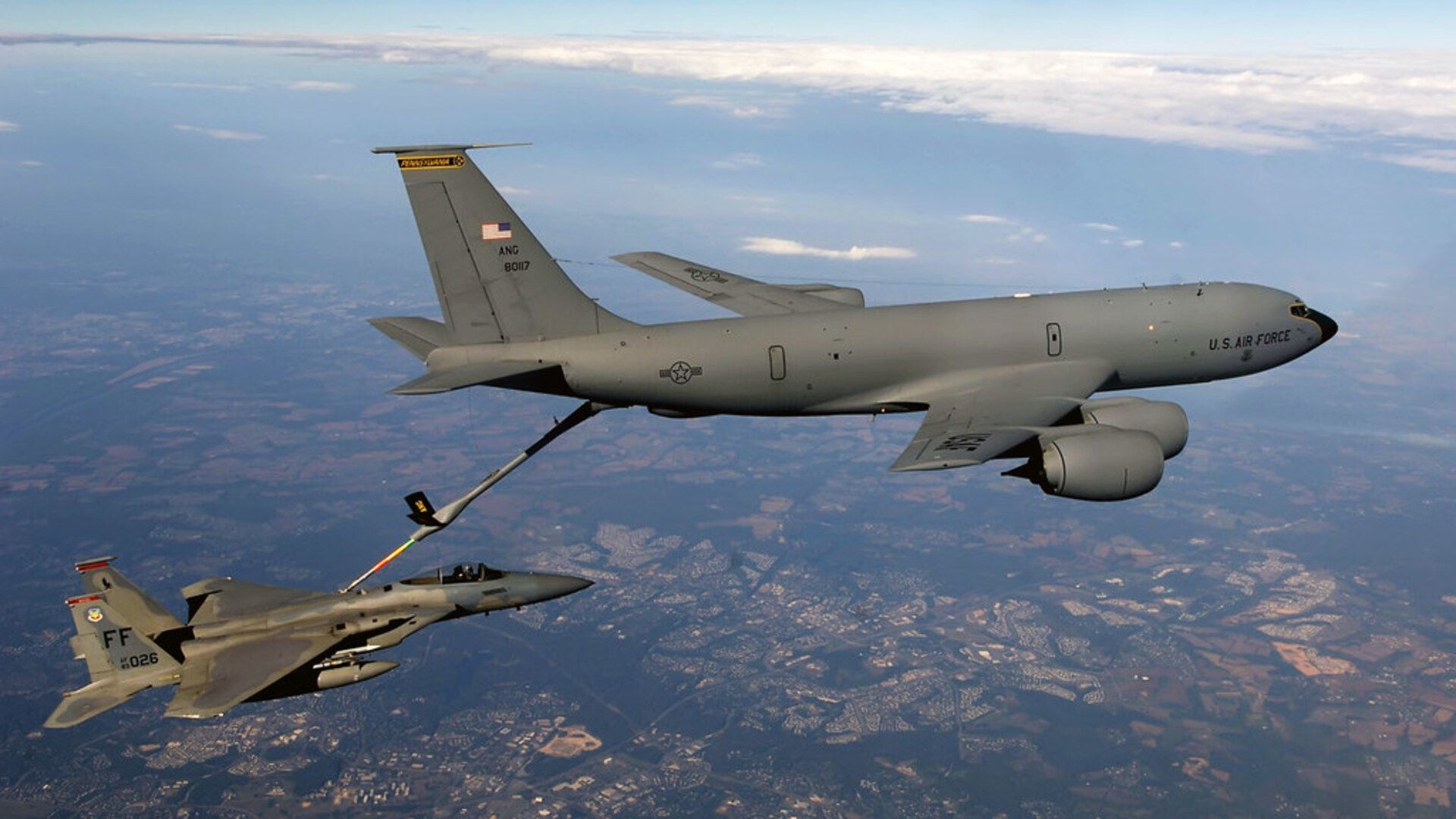
USAF considers 'very large' autonomous tankers to replace KC-135 and KC-46 fleets
The U.S. Air Force is exploring the development of large-scale, fully autonomous aerial refueling tankers to eventually replace its aging KC-135 and K…
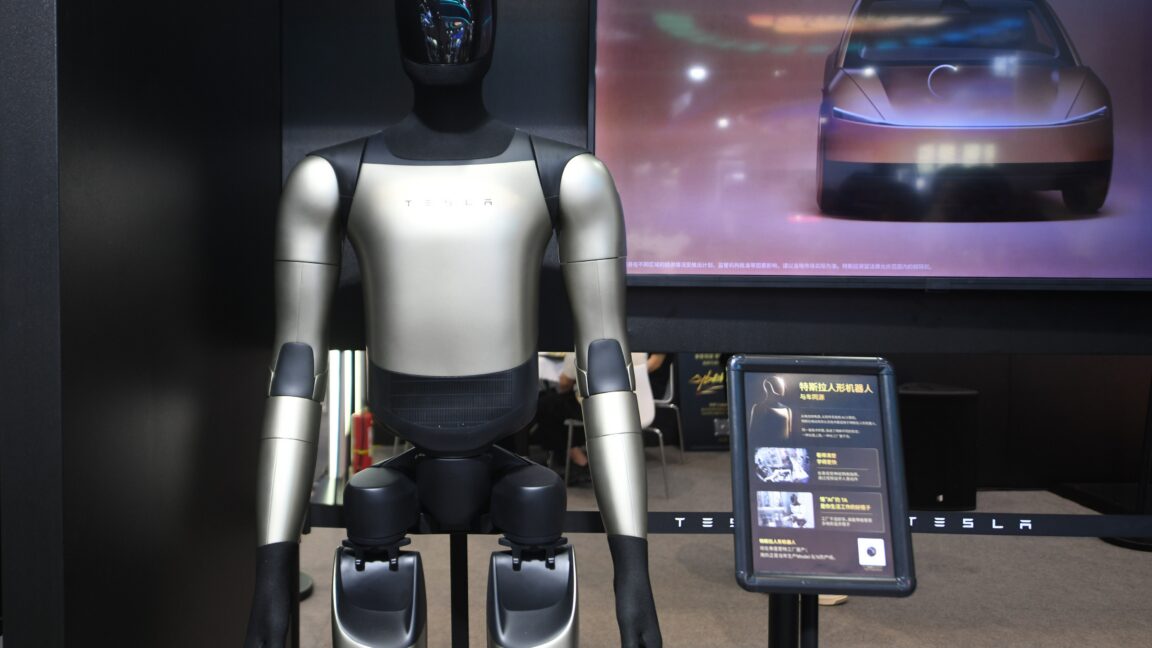
Tesla is encountering significant internal resistance as it pivots its manufacturing focus from electric vehicles to the Optimus humanoid robot. Accor…

Waymo, the autonomous vehicle subsidiary of Alphabet, is significantly accelerating its expansion efforts across the United States. Recent data indica…