
Tesla’s 'flying' Roadster might be radical, but in all the wrong ways to move EVs forwards
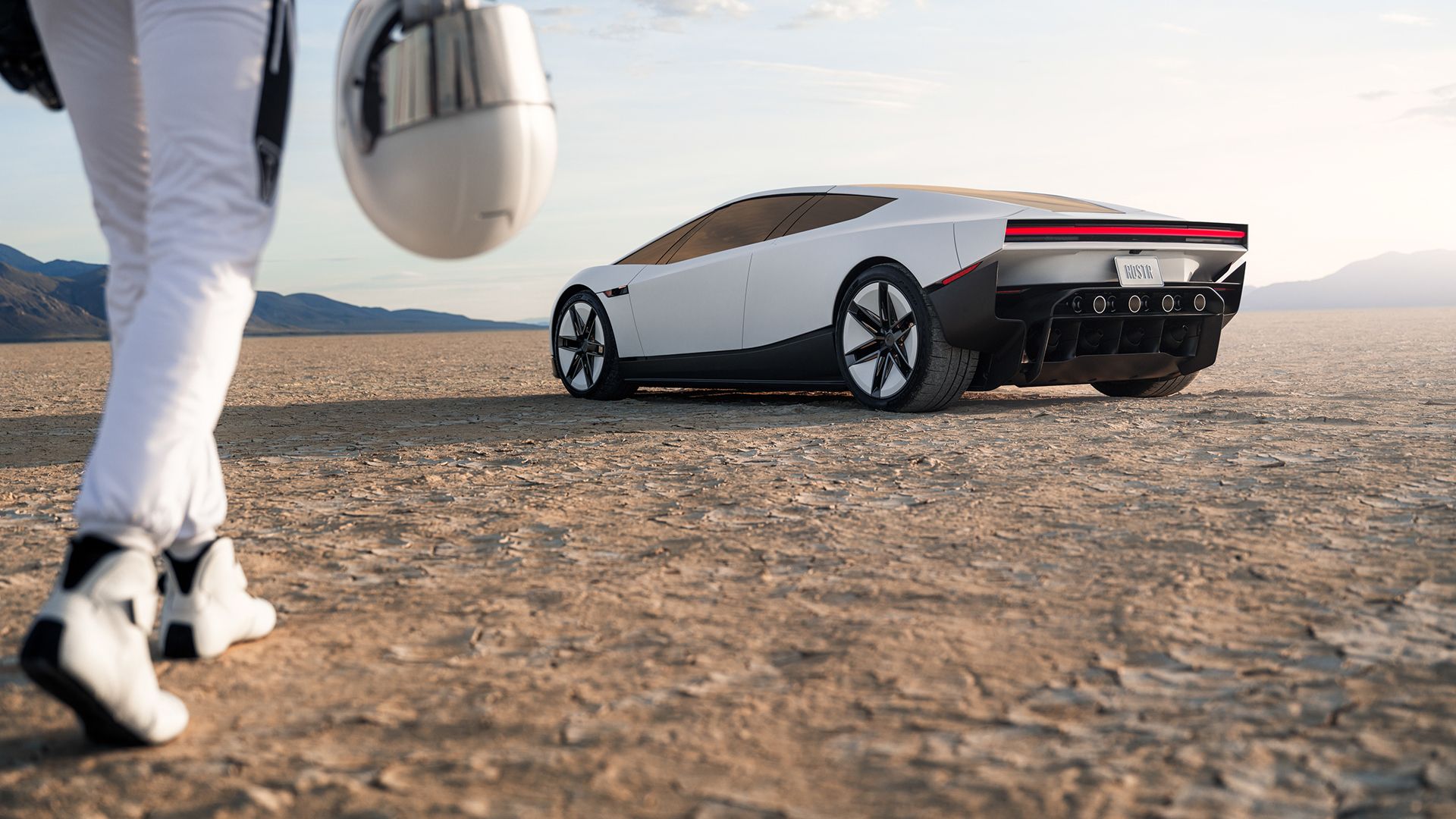
Tesla has unveiled its long-awaited Roadster, a vehicle featuring an angular design and experimental 'flying' capabilities powered by SpaceX cold-gas thrusters. While the demonstration showcased impressive engineering, including the ability to perform aerial maneuvers and utilize suction-based downforce, critics argue the car lacks practical commercial value. The vehicle, which is largely restricted to private tracks, serves more as a high-profile engineering flex than a contribution to the mass-market electric vehicle transition. With Tesla’s core lineup consisting primarily of the aging Model 3 and Model Y, industry analysts suggest the stunt is a distraction from the company's stagnating product innovation. The event has fueled speculation about a potential closer integration between Tesla and SpaceX, but it offered no updates on battery technology, charging infrastructure, or software advancements, leaving many to question the strategic direction of the company in an increasingly competitive EV market.
This is a summary. Read the full article at the original source:
TechRadarRelated stories
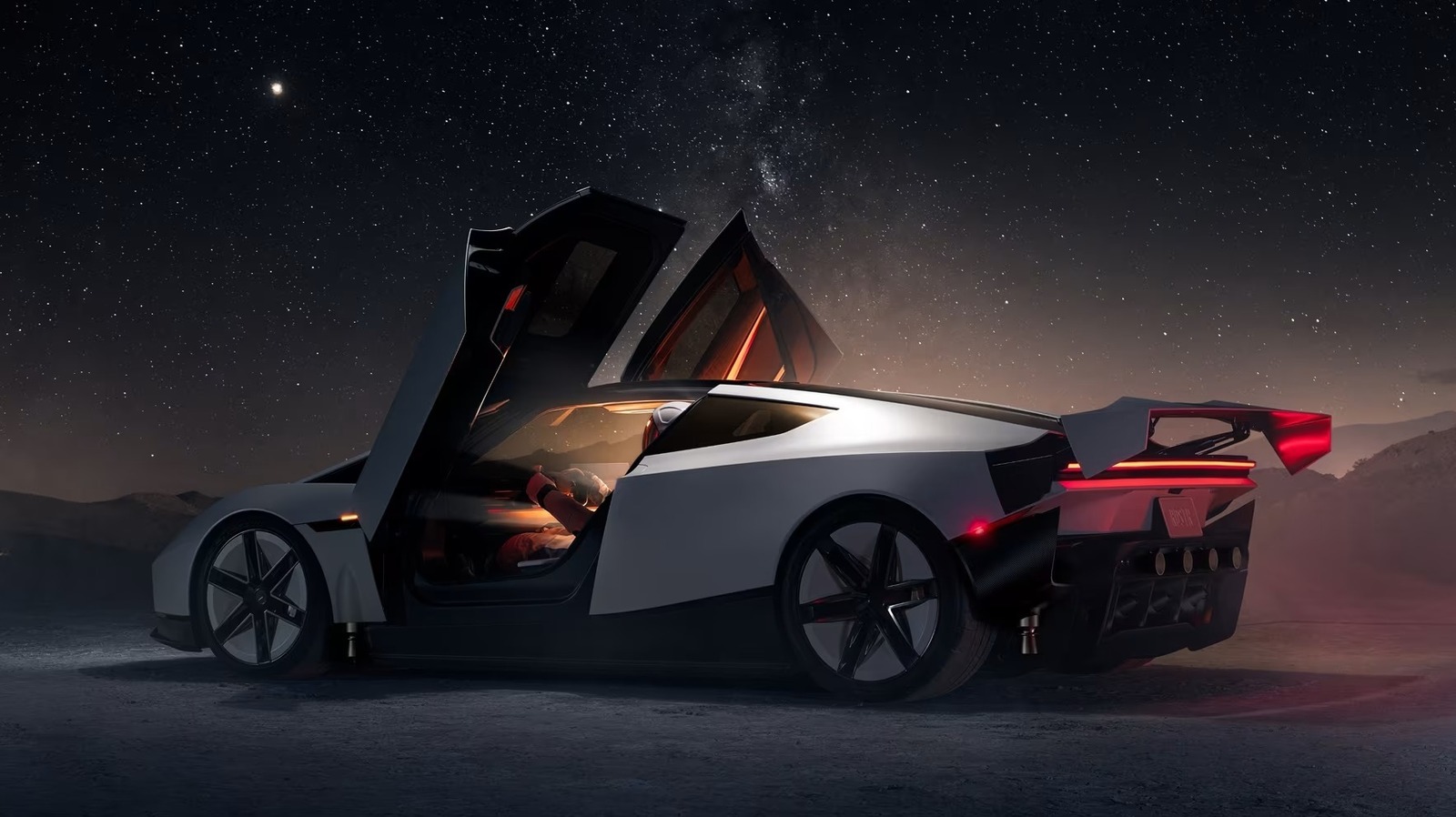
Tesla has once again updated its timeline for the long-awaited second-generation Roadster, with the company now targeting a production start in 2028.…
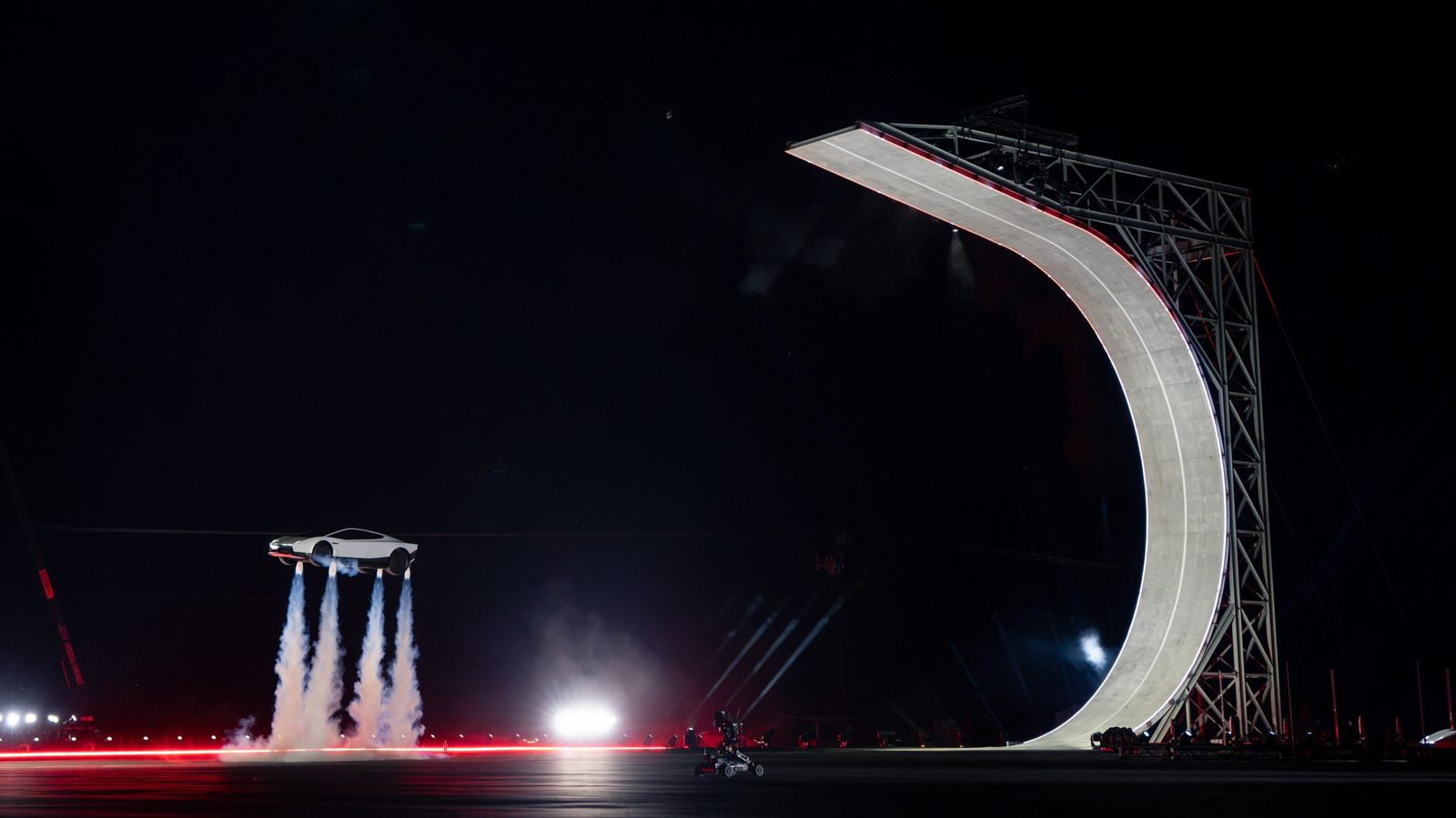
A 'flying' Tesla Roadster sounds impossible, until you see what Lockheed Martin built decades ago
Elon Musk has long teased the idea of a 'flying' Tesla Roadster equipped with SpaceX thrusters, a concept that many critics dismiss as science fiction…

Tesla driver claims he was asleep while using FSD during highway patrol crash
A Tesla driver involved in a serious collision with California Highway Patrol vehicles has stated he was asleep and utilizing the company's Full Self-…