

Lyft is officially expanding its footprint in the autonomous vehicle sector, signaling a strategic shift to integrate robotaxis into its ride-hailing platform. As the mobility industry pivots toward AI-driven transportation, Lyft's move aims to compete with established players like Waymo and Uber. The company is leveraging partnerships with autonomous technology developers to offer self-driving options to its users, marking a significant milestone in the evolution of urban transit. By incorporating robotaxis, Lyft seeks to address operational efficiencies and meet the growing demand for automated mobility solutions. This development highlights the intensifying race among major tech and transportation firms to dominate the autonomous landscape. As the technology matures, Lyft's entry into the robotaxi space is expected to reshape the competitive dynamics of the ride-sharing market, focusing on safety, scalability, and the seamless integration of AI into everyday transportation infrastructure.
This is a summary. Read the full article at the original source:
TechCrunchRelated stories

A Waymo autonomous vehicle in San Francisco recently initiated a stop and contacted law enforcement after detecting suspicious activity involving its…
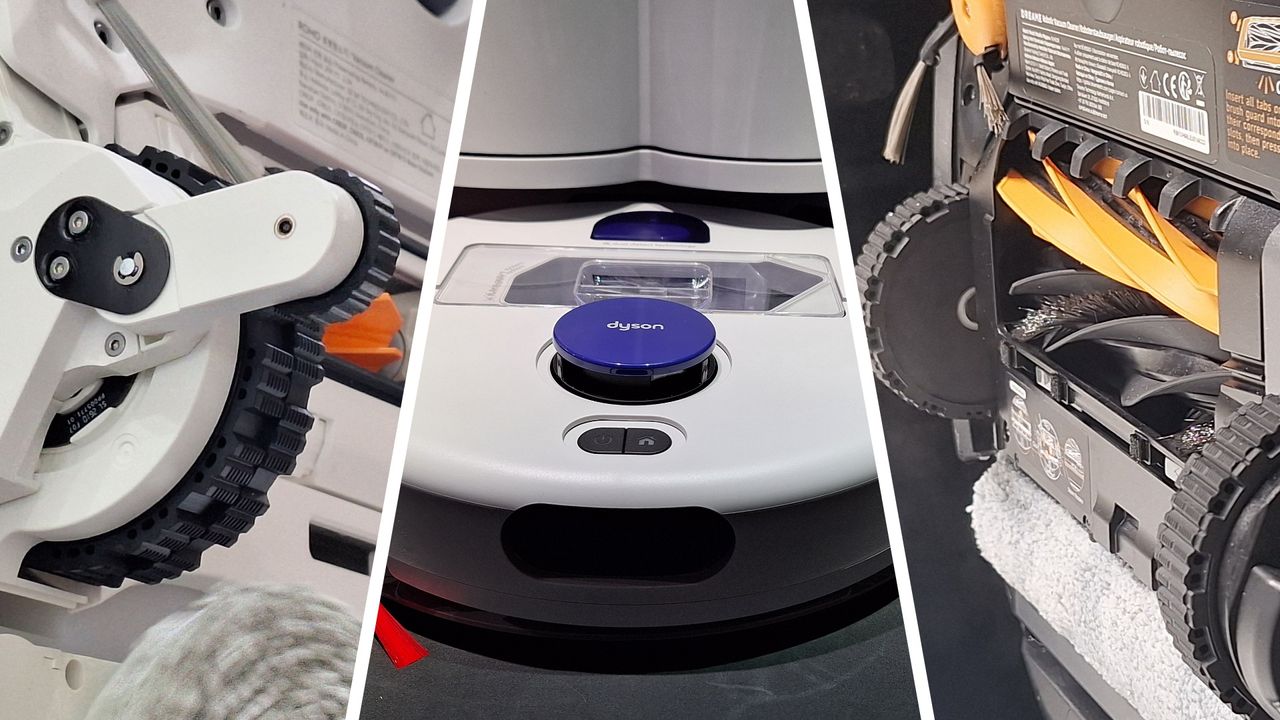
I've seen 2027's new robot vacuums — here are 3 major trends set to level-up their cleaning
At IFA 2026, major manufacturers unveiled their upcoming 2027 flagship robot vacuums, showcasing significant advancements in cleaning technology. Thre…

A recent report from Ars Technica details the experience of purchasing and operating a $4,000 quadruped robot imported from China. The author describe…