

The author reflects on the pace of scientific and technical progress, noting that most fundamental technologies we use today—from aviation to transistors and antibiotics—were invented in the first half of the 20th century. Over the last 40–50 years, humanity has primarily focused on optimizing and refining existing solutions rather than creating fundamentally new breakthrough concepts. Even the modern IT industry, including artificial intelligence and neural networks, relies on a theoretical foundation laid decades ago. The article questions the current dynamics of innovation, asking whether we are in a period of technological stagnation or if a new stage of radical discoveries awaits us. The author emphasizes that modern achievements are often just 'packaging' for older inventions, prompting a reflection on the future of scientific and technical development.
This is a summary. Read the full article at the original source:
HabrRelated stories
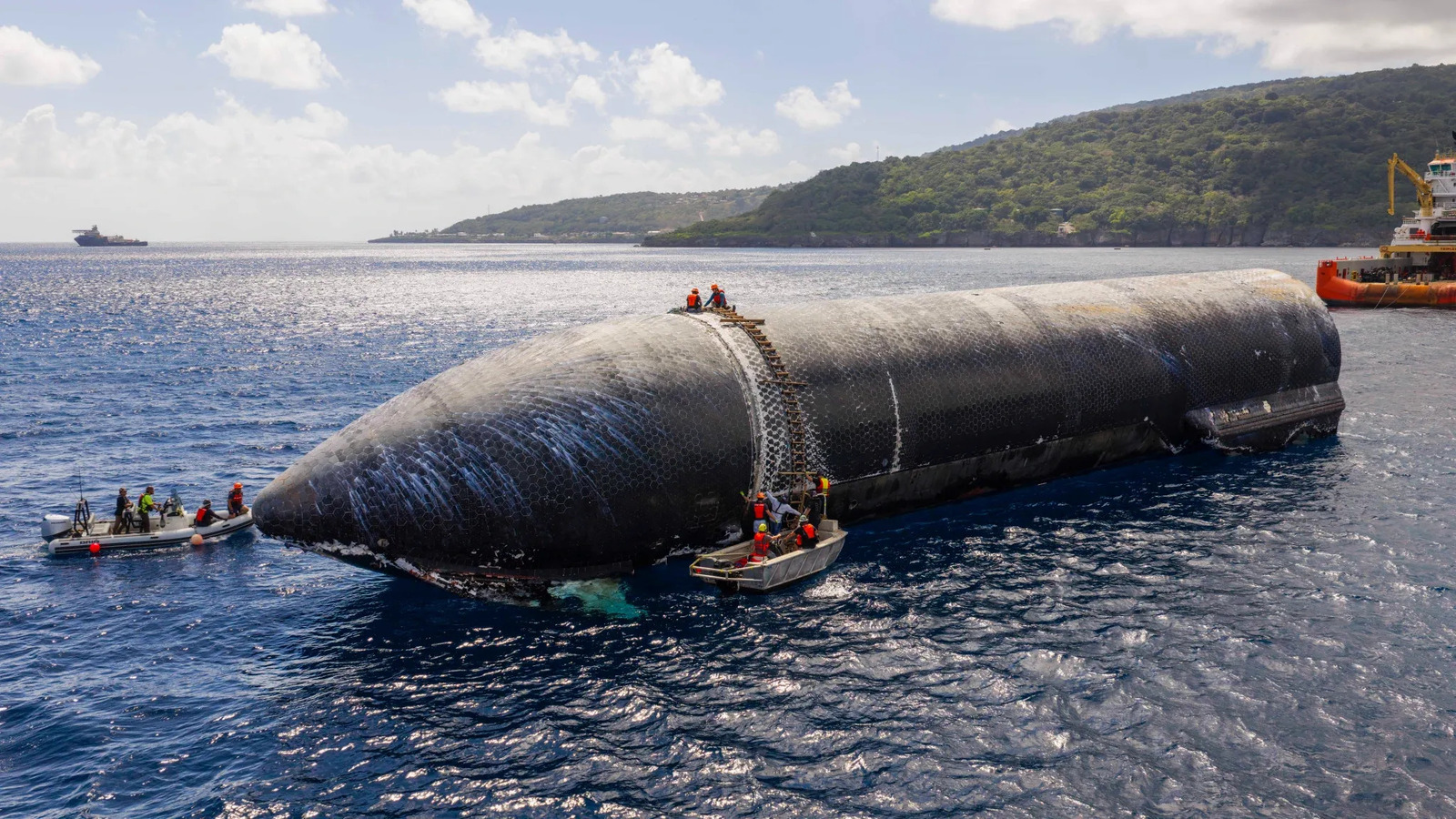
SpaceX is facing a lengthy logistical challenge following the latest Starship flight test. The rocket, designated Starship 40, successfully completed…

The 2026 Ig Nobel Prizes have once again highlighted the intersection of bizarre scientific inquiry and genuine academic rigor. Each year, these award…
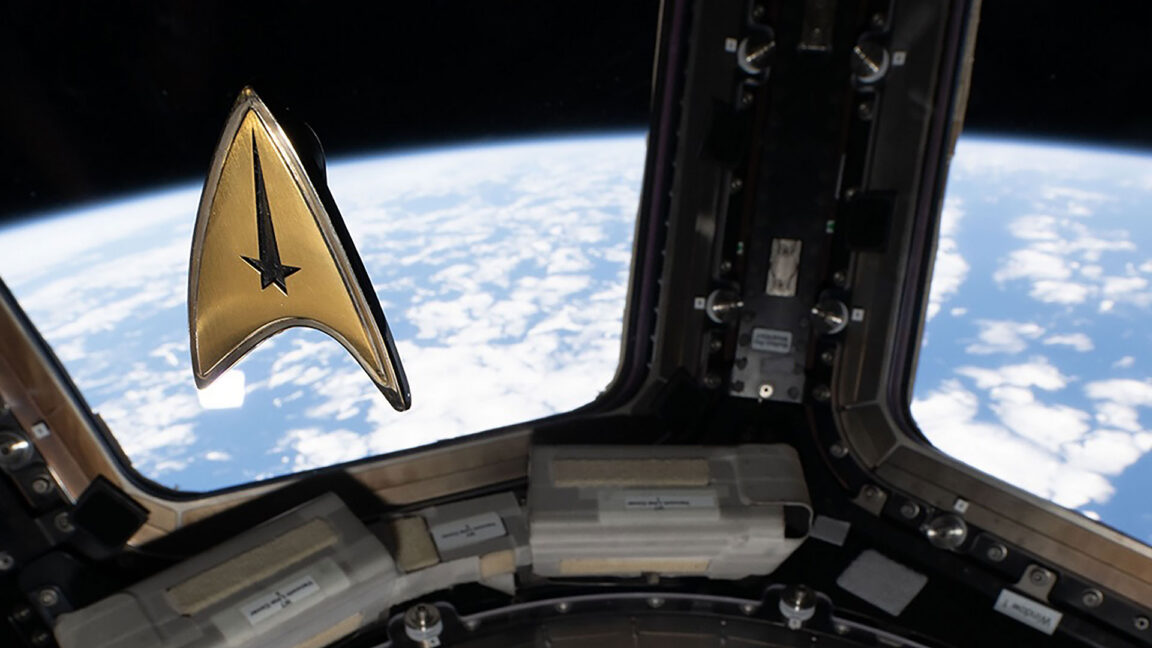
To mark the 60th anniversary of the Star Trek franchise, European Space Agency astronaut Sophie Adenot paid tribute from the International Space Stati…