

Christos Cassandras, a professor at Boston University and IEEE Life Fellow, is pioneering research aimed at replacing traditional traffic lights with autonomous vehicle coordination systems. By modeling cars as cyber-physical systems that process information and obey physical laws, Cassandras develops algorithms that allow self-driving vehicles to navigate intersections safely without stopping. His work, which earned him the IEEE Intelligent Transportation Systems Society Outstanding Research Award, focuses on using real-time data—such as vehicle speed, mass, and distance—to manage traffic flow efficiently. Drawing on his extensive background in discrete event systems and applied mathematics, Cassandras argues that the future of transportation lies in intelligent, autonomous coordination. His research emphasizes that safety is the primary barrier to widespread adoption of self-driving technology, and he continues to refine mathematical frameworks to ensure that autonomous vehicles can make reliable, life-saving decisions in complex urban environments.
This is a summary. Read the full article at the original source:
IEEE SpectrumRelated stories
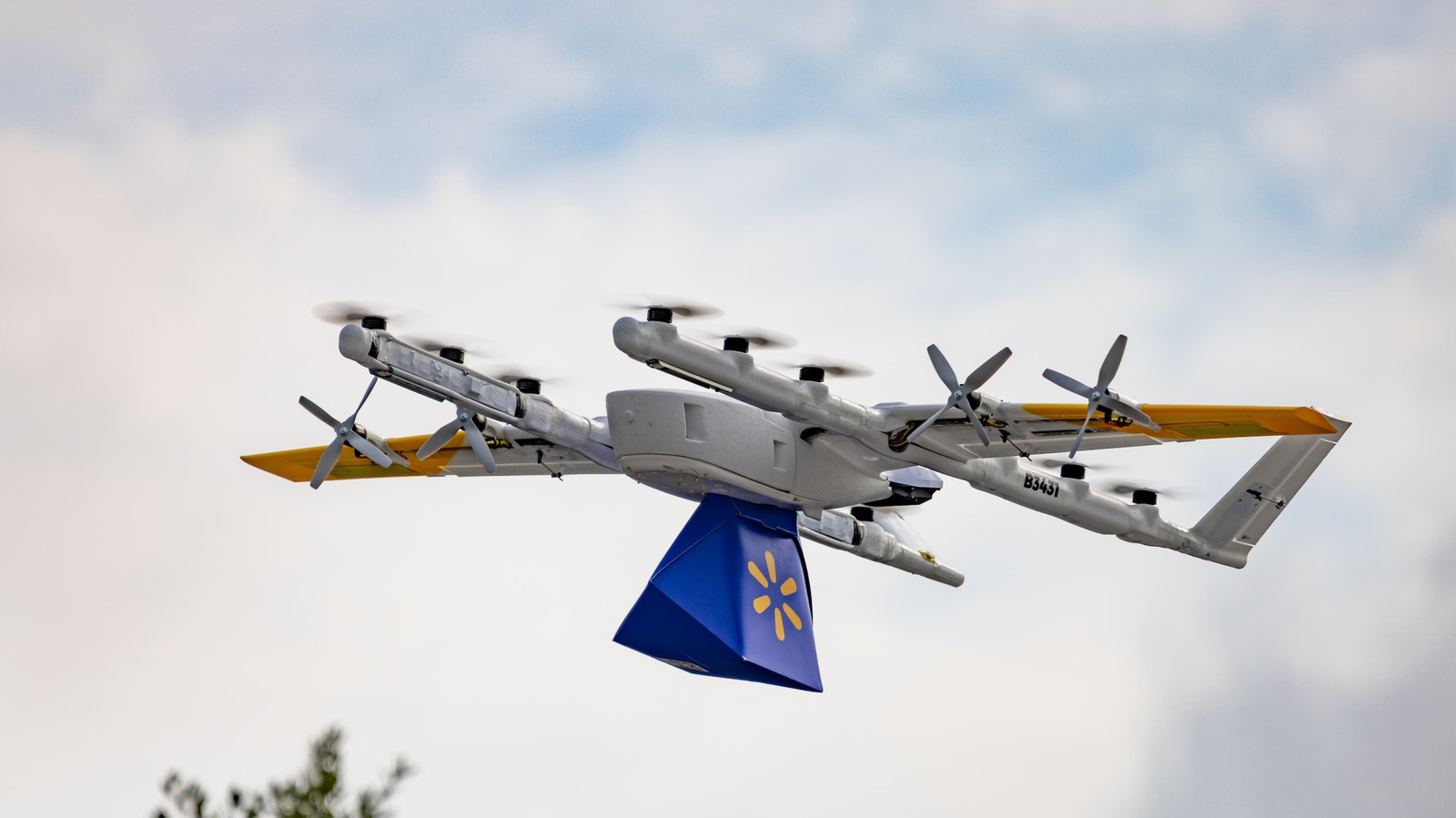
Wing, a subsidiary of Alphabet, has announced a strategic expansion of its drone delivery services in partnership with retail giant Walmart. The compa…
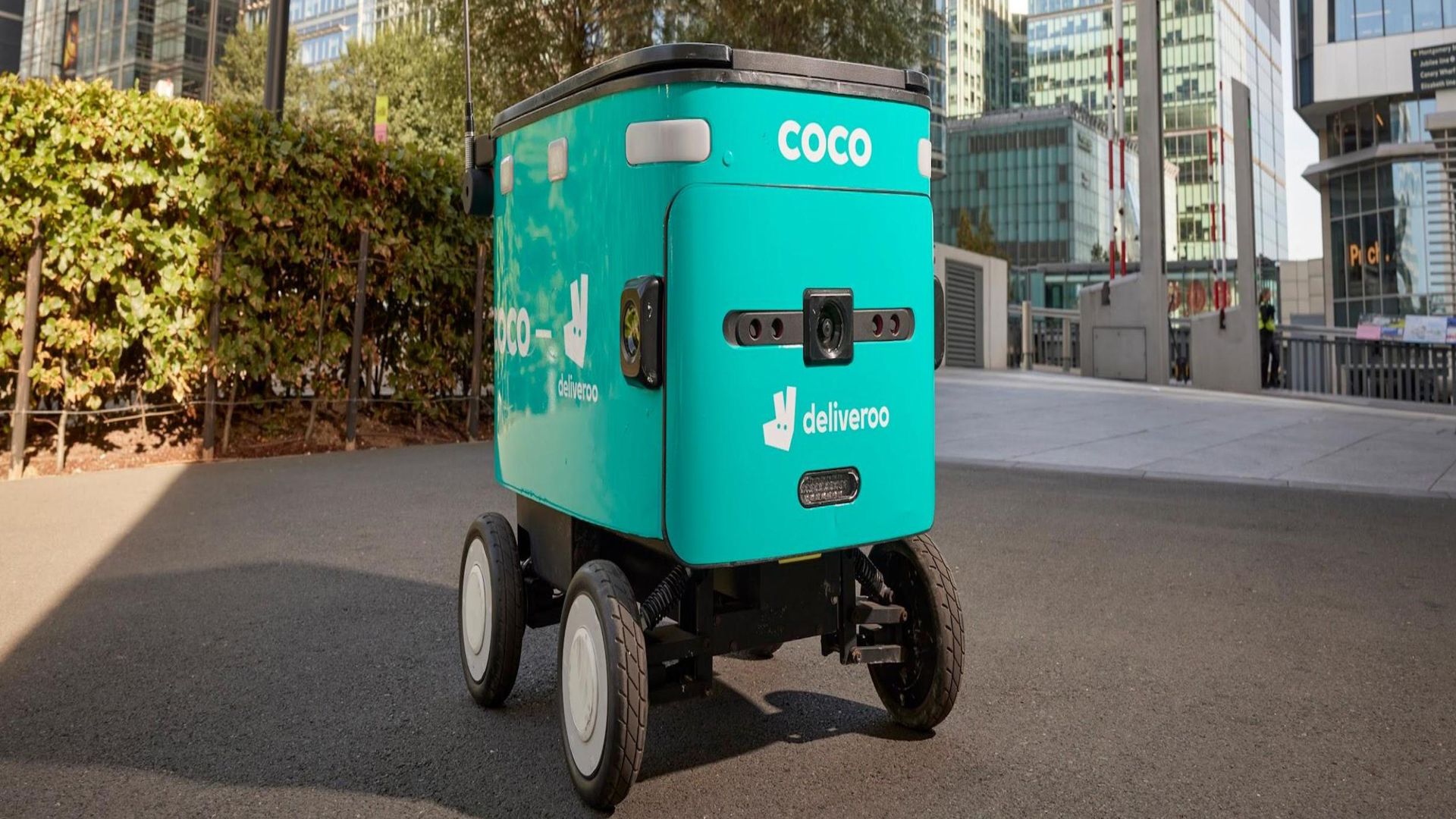
Deliveroo has announced the upcoming launch of autonomous robot deliveries in the UK, starting in London's Canary Wharf this October. In partnership w…

German robotics startup RobCo has officially achieved unicorn status, reaching a valuation of $1 billion following its latest funding round. Based in…