
Scientists find evidence of a second-generation planet born from a dying star
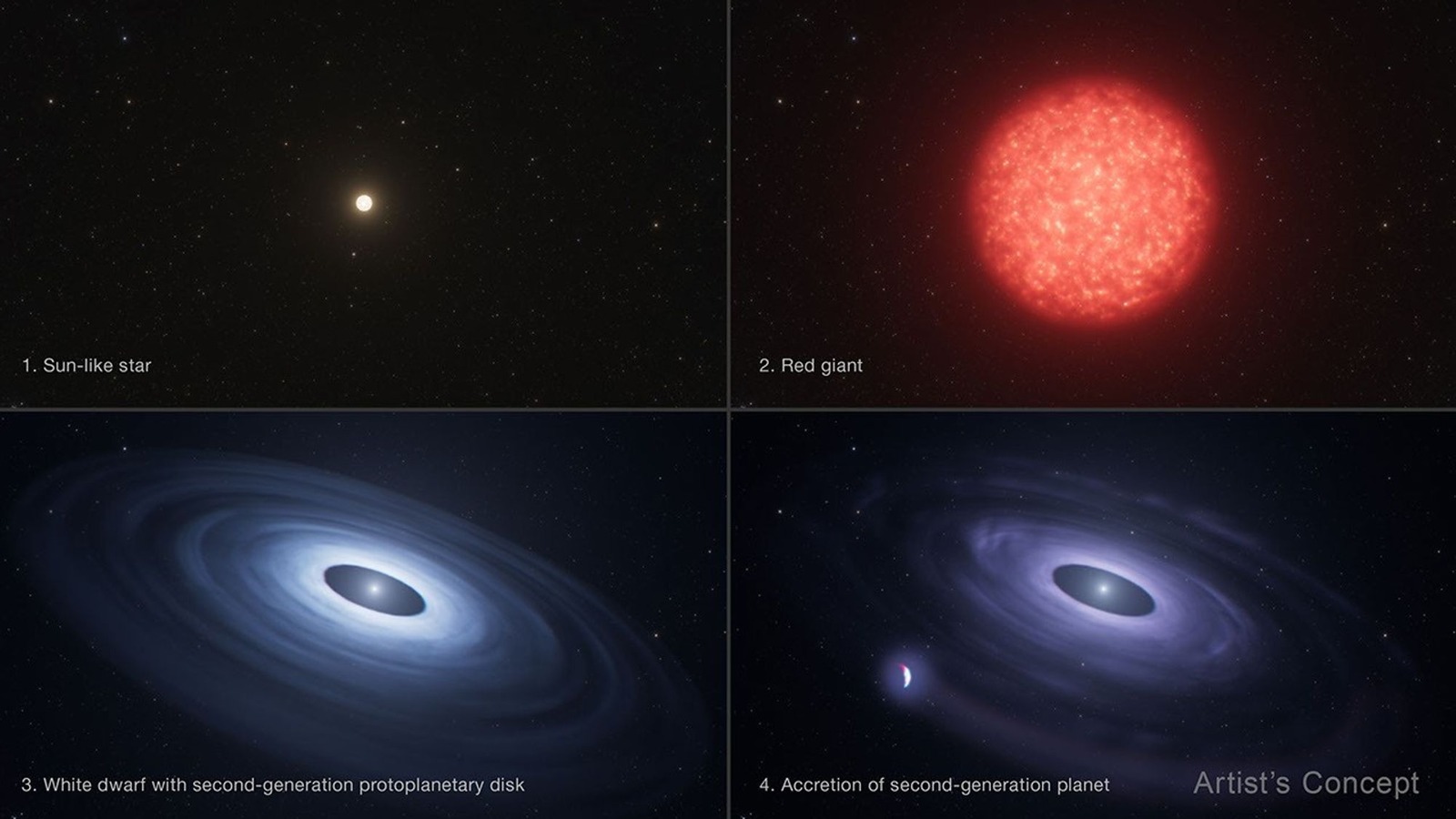
A team of researchers has uncovered evidence of a second-generation planet forming around a white dwarf, utilizing decades-old data from the Hubble Space Telescope. This discovery challenges conventional understandings of planetary evolution, as white dwarfs are the remnants of stars that have exhausted their nuclear fuel. Typically, the violent death of a star would destroy any existing orbiting bodies. However, this finding suggests that new planetary material can coalesce from the debris left behind by the dying star. By analyzing light signatures within the archival data, scientists identified chemical patterns indicative of planetary accretion. This breakthrough provides a unique window into the life cycle of solar systems and suggests that planetary formation might be a more resilient process than previously thought. Further study of these systems could reveal how solar systems regenerate long after their central stars have collapsed.
This is a summary. Read the full article at the original source:
EngadgetRelated stories
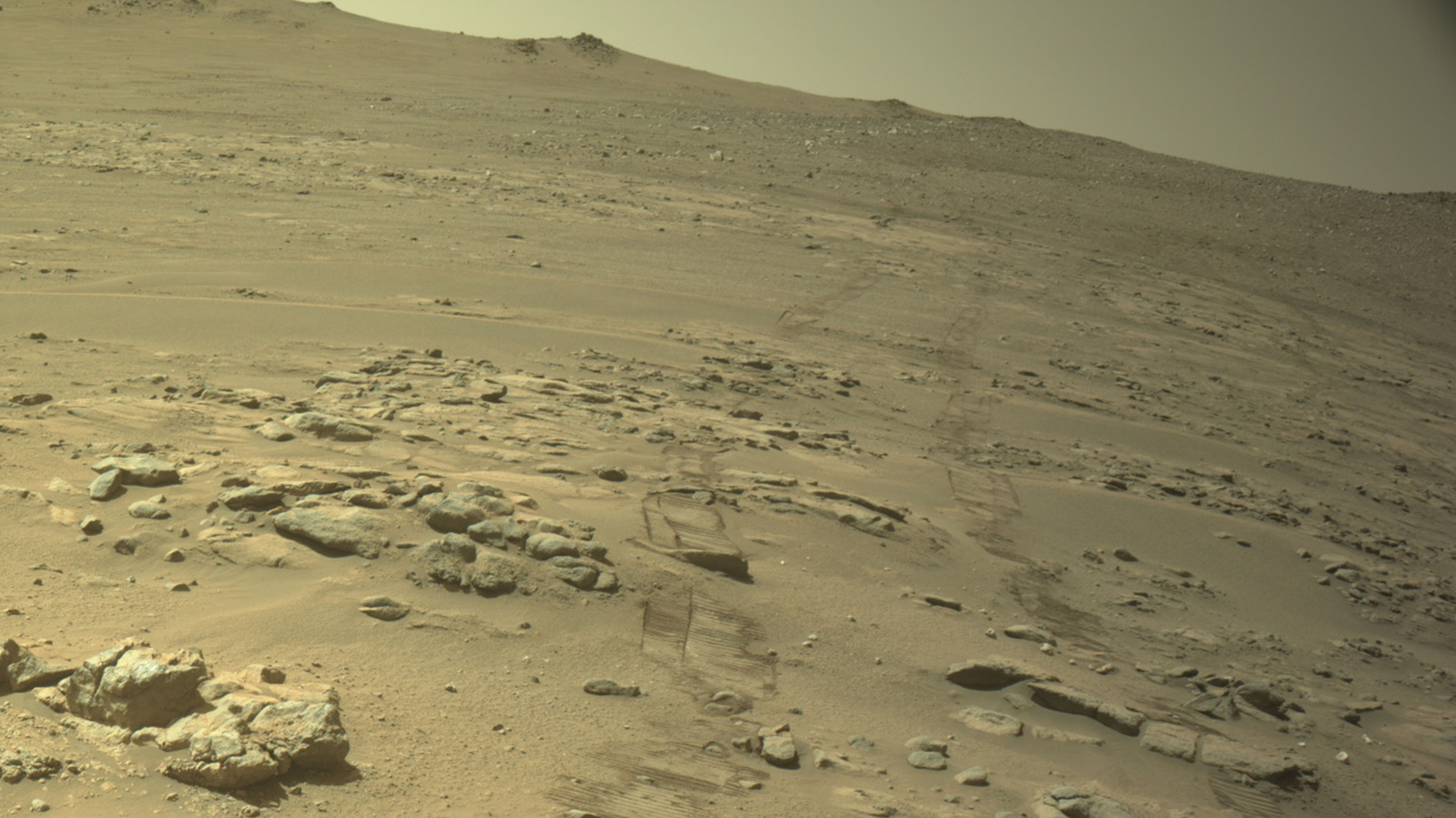
NASA’s Perseverance rover has officially set a new record for the longest distance traveled by a vehicle on another planet. The rover, which has been…

Archaeologists have uncovered a significant royal archive belonging to the Hittite Empire at the site of Büklükale in central Turkey. Located approxim…
A groundbreaking study published in Aging Cell reveals that researchers have successfully reprogrammed blood cells from an 80-year-old donor into indu…