
Samsung and Qualcomm Pioneer 'Organic Bridge' Technology to Slash AI Chip Costs
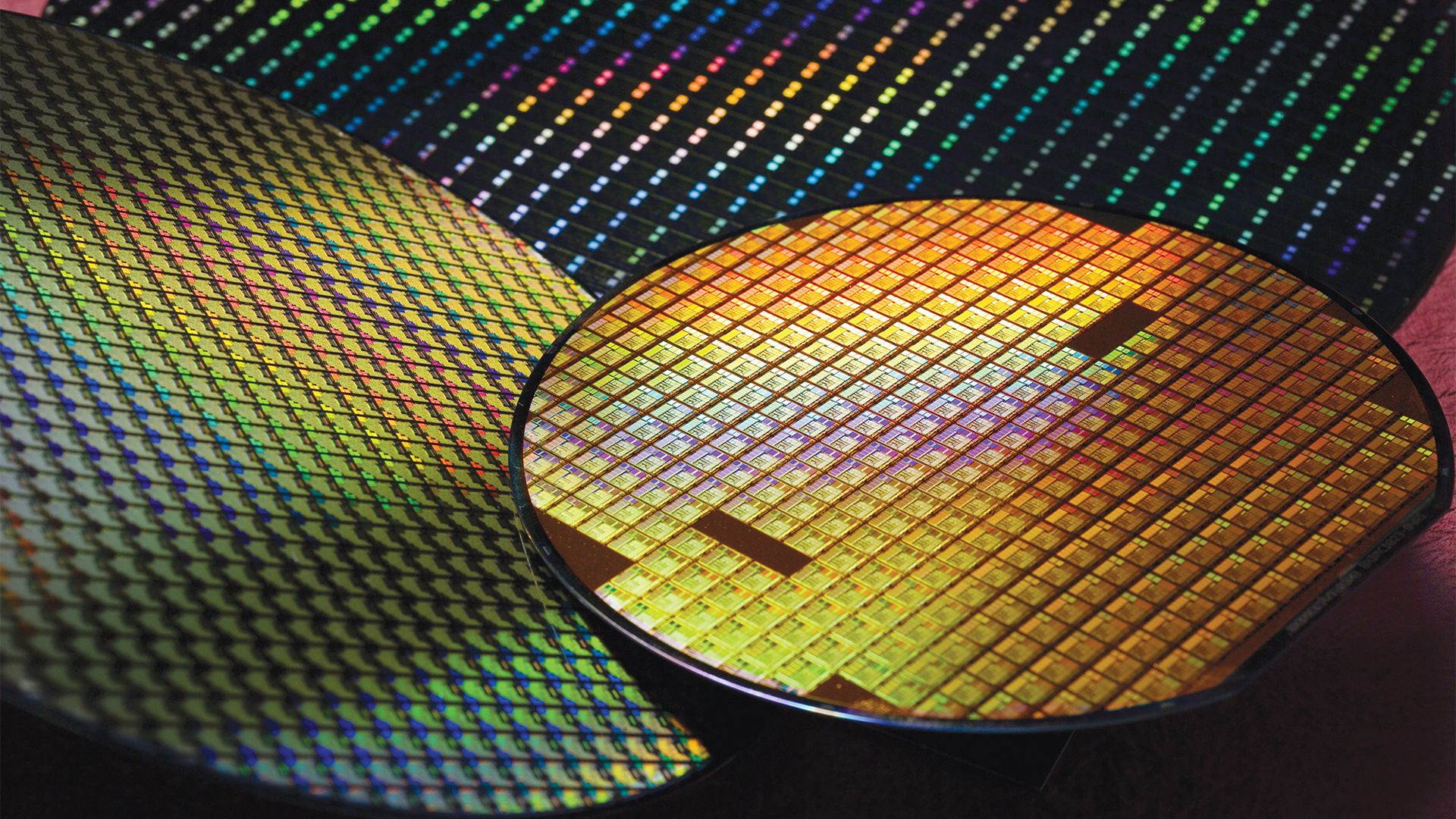
Samsung and Qualcomm are collaborating on a breakthrough in semiconductor manufacturing known as 2.1D packaging. By utilizing an 'organic bridge'—a layer composed of resins or polymers—instead of traditional silicon, glass, or ceramic materials, the companies aim to significantly reduce production costs for AI processors. This technology, adapted from PCB manufacturing, simplifies assembly and improves bandwidth while addressing supply chain constraints associated with inorganic materials. While 2.5D packaging remains the industry standard, the 2.1D approach offers a more scalable and cost-effective alternative for the growing demands of AI data centers. Other industry giants, including Intel and TSMC, are also exploring similar packaging innovations. Although development has been underway for roughly a year, the technology is still in the early stages, with production-ready AI chips expected to arrive in the future as the industry seeks more efficient ways to power artificial intelligence.
This is a summary. Read the full article at the original source:
TechRadarRelated stories

Laptop fans are essential components designed to dissipate heat and prevent internal hardware from overheating. However, when these fans begin to run…

This article provides a detailed technical overview of the legendary 8-bit Zilog Z80 processor (model Z84C008PEC), which remains relevant nearly 50 ye…

Xiaomi has officially rolled out version 2.6 of its MiMo platform, continuing the company's expansion into integrated smart hardware ecosystems. This…