
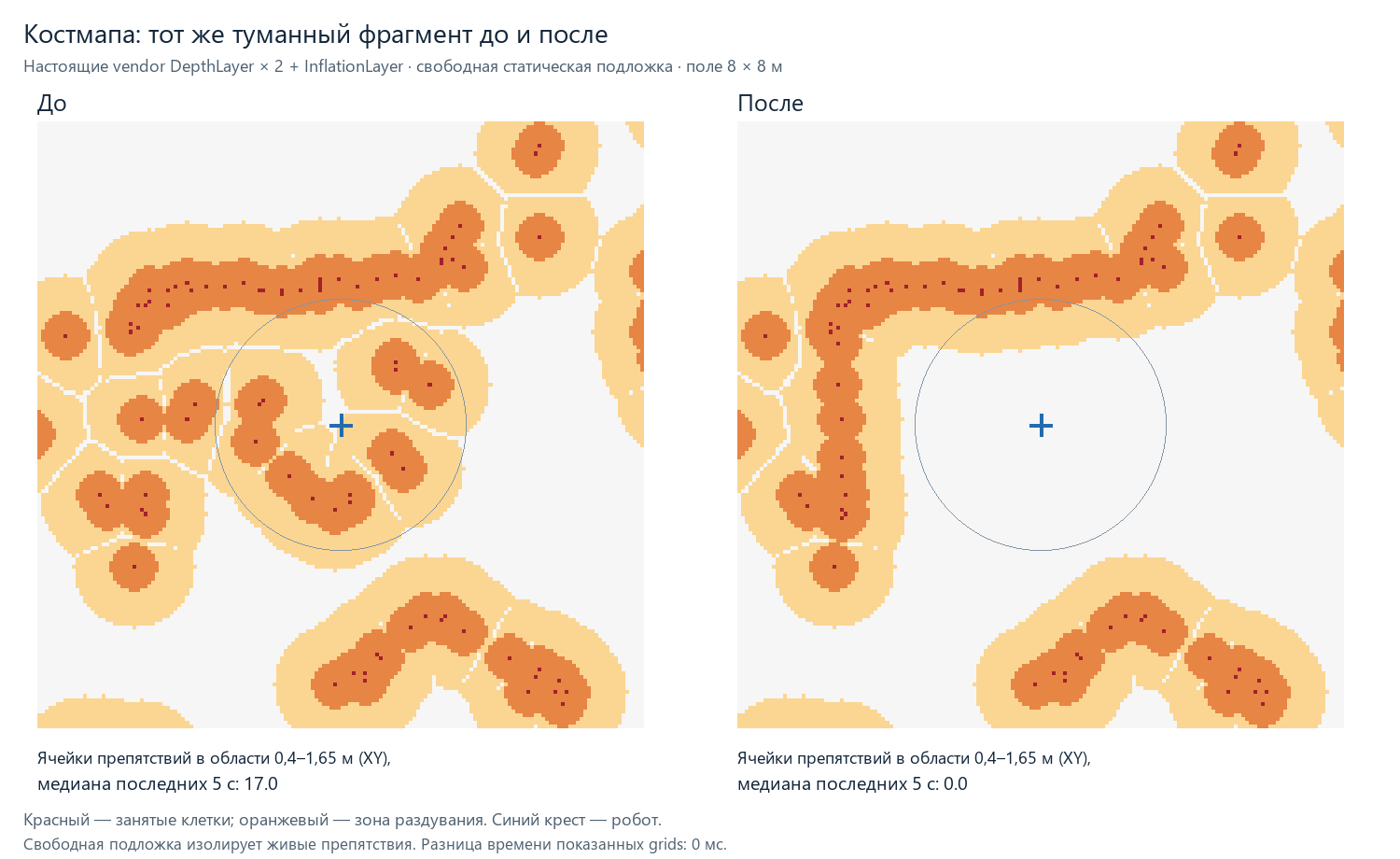
The article describes a technical challenge faced by the developers of SpeedyBot: the robot refused to move due to false obstacles caused by fog. Cleaning the lidar did not help, as the sensor recorded a 'ghost ring' of 5.81 million noise points. The authors share their experience in data processing, explaining why simply suppressing 97% of the noise was not effective enough. The material details the filtering process that allowed them to 'remove the fog' while preserving information about real, thin obstacles. The developers demonstrate methods of virtual modeling and signal processing tuning to ensure the robot can correctly perceive its environment in difficult weather conditions. This article is useful for engineers working with autonomous systems and lidar data, as it offers a practical approach to solving the problem of sensor noise in real-time.
This is a summary. Read the full article at the original source:
HabrRelated stories

OpenAI is actively developing a humanoid robot designed to navigate and interact with environments built for humans. CEO Sam Altman has emphasized tha…
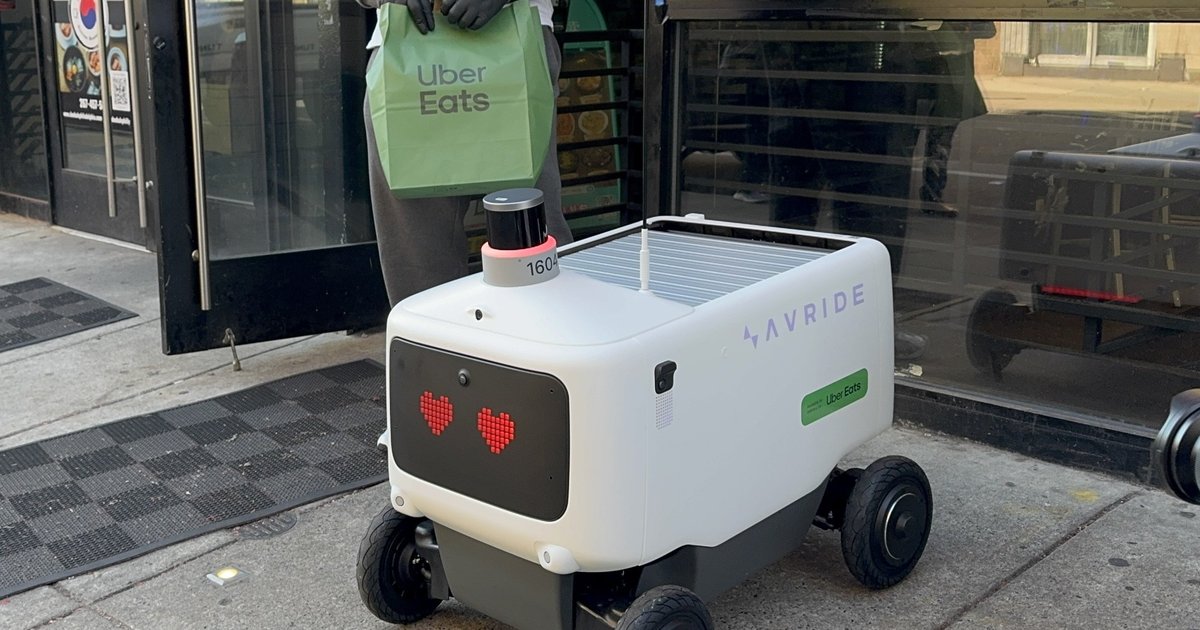
A retired University of Pennsylvania professor was arrested in Philadelphia after allegedly obstructing an autonomous Uber Eats delivery robot. The in…
In this article, the author describes the process of optimizing a navigation system for robotic platforms. The focus is on transitioning from a standa…