
Road to State Machines Part II - How Do We Prevent Impossible Changes?

In the second part of his series on state machines, Can Burak Sofyalioglu explores how to enforce business rules within a Python-based order management system. The article highlights the importance of moving beyond simple data assignments by implementing explicit validation logic. The author distinguishes between invariants—conditions that define a valid record—and preconditions, which determine if an operation is permitted based on the current state. By introducing a 'validate_order' function and guarding operations like 'capture_payment' and 'ship_order' with state-specific checks, the developer ensures that the system rejects invalid transitions rather than allowing inconsistent data. This approach emphasizes the necessity of defining clear contracts for state changes, ensuring that the system remains robust without requiring complex frameworks. The post concludes by noting that while these checks prevent illegal transitions, they must be coupled with proper architectural boundaries to fully protect the integrity of the data model.
This is a summary. Read the full article at the original source:
Dev.toRelated stories
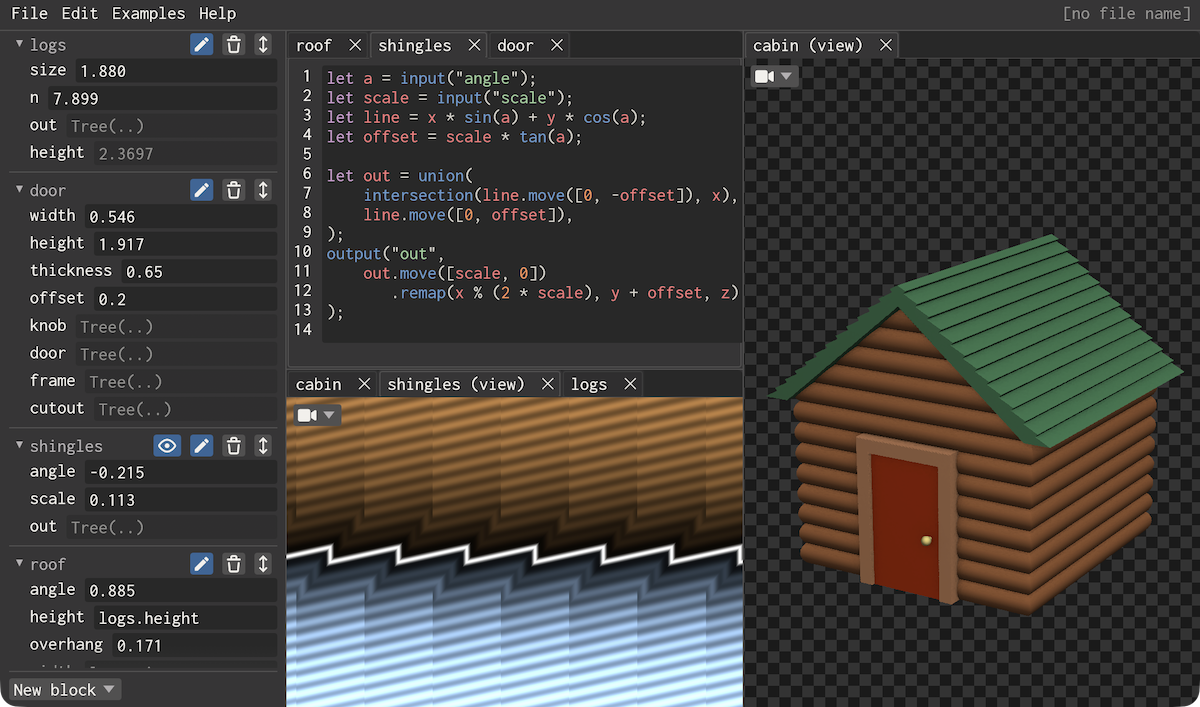
Halfspace: An Experimental IDE for Solid Modeling with Distance Fields
Matt Keeter has introduced Halfspace, an experimental integrated development environment (IDE) specifically designed for solid modeling using distance…

Why you might owe additional income tax after changing jobs, even if employers withheld everything correctly
Changing jobs during a calendar year can lead to unexpected tax notices from the tax authorities. Even if each employer correctly withheld income tax…

Edison Design Group (EDG) has announced a significant shift in its business model by making its renowned C++ front-end technology available for public…