
‘Resilience comes from designing for disconnection, not assuming more connectivity’: The future of battlefield AI systems lies in both coordination and local capability
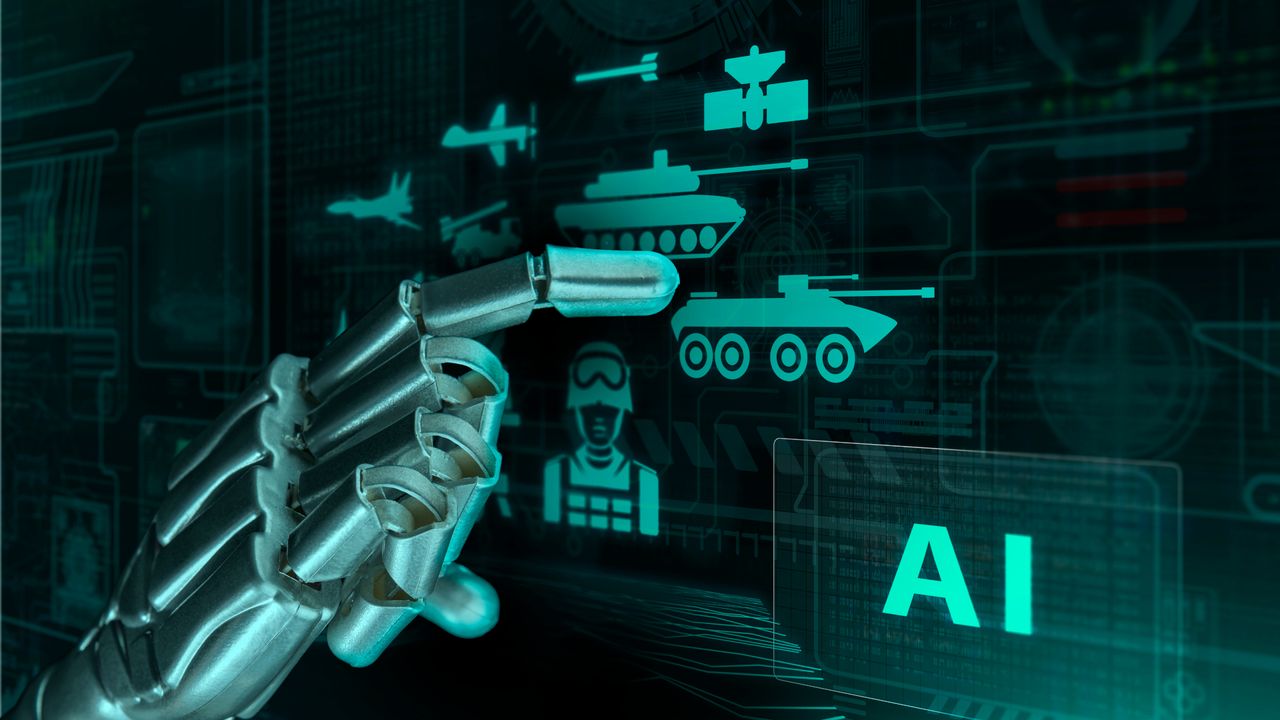
As the US military integrates AI into frontline operations, experts are highlighting the critical need for decentralized infrastructure. Traditional centralized data centers are vulnerable to missile strikes and connectivity failures, prompting a shift toward edge computing. Companies like Scaleout are developing architectures that allow drones and sensors to perform local inference even when communication links are severed. By utilizing distributed models, these systems ensure that battlefield AI continues to function through graceful degradation rather than total failure. While centralization offers a consistent operational picture and easier security enforcement, it introduces significant risks. The current industry trend focuses on balancing theater-wide coordination with local autonomy, ensuring that mission-critical AI remains operational despite the inherent instability of modern combat environments. This shift emphasizes that resilience in battlefield technology is achieved by designing systems that do not rely on constant connectivity.
This is a summary. Read the full article at the original source:
TechRadarRelated stories

Meta has unveiled its latest innovation, the Muse AI agent, designed to act as a highly personalized assistant for users. According to recent reports,…

What's going on with OpenAI and the Navier-Stokes controversy?
OpenAI has recently claimed a significant breakthrough in mathematics, specifically regarding the Navier-Stokes equations, which describe the motion o…

Large language models develop novel social biases through adaptive exploration
A recent research paper published on OpenReview explores how large language models (LLMs) can acquire and manifest new social biases during the proces…