
Refactor Agent Skills for 10x Cost Efficiency

Engineering teams often face high token costs when scaling AI coding agents. A common mistake is relying on manual model switching, which creates cognitive friction. Instead, author Jennie Ji proposes an architectural approach: automated routing and cost-aware orchestration. By splitting workflows into two tiers—using lightweight models like Claude Haiku for mechanical tasks and frontier models like Claude Sonnet for high-stakes judgment—teams can significantly reduce expenses. The strategy relies on 'context forking,' where subagents process large data payloads and return only compact summaries, preventing the primary agent from repeatedly re-reading massive conversation histories. Developers can automate this optimization by prompting their agents to audit existing skills, identify procedural versus judgment-heavy steps, and refactor them into efficient, tiered workflows. This method maintains high output quality while slashing execution costs by up to 90%, offering a sustainable path for scaling AI-driven development pipelines.
This is a summary. Read the full article at the original source:
Dev.toRelated stories

pgvector, Qdrant, or Milvus: How to choose a vector database for RAG
This article addresses the challenge of selecting the right vector database for RAG systems. The author notes that while prototyping often seems strai…
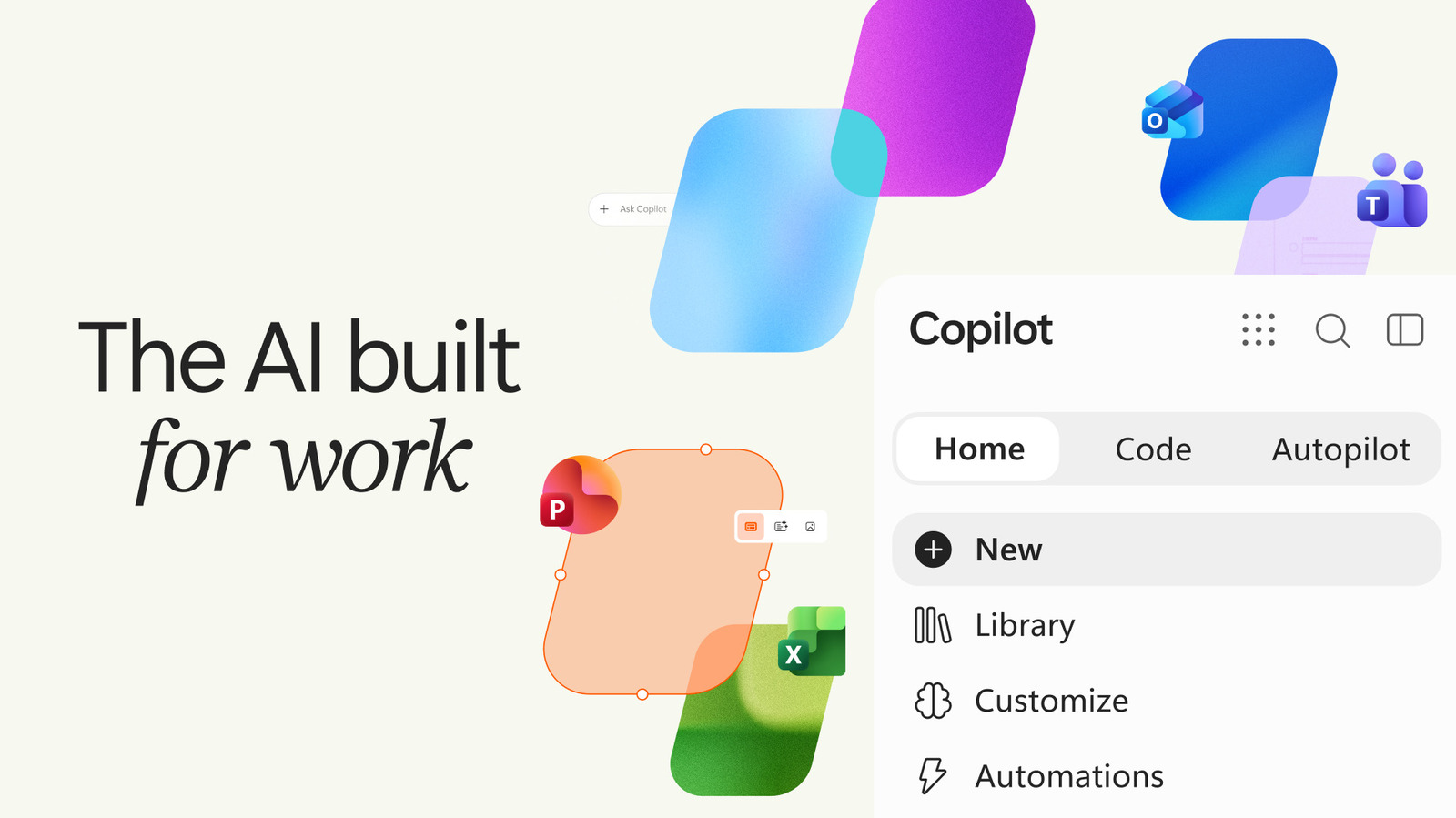
Microsoft's Copilot app adds Office, natural coding and automation
Microsoft has announced a significant update to its Copilot application, introducing new features designed to enhance productivity and streamline work…

Google introduces interactive video avatars for Gemini Live agents
Google has unveiled new interactive video avatars for its Gemini 3.8 Live agents, aimed at enhancing customer service and automated task management. T…