
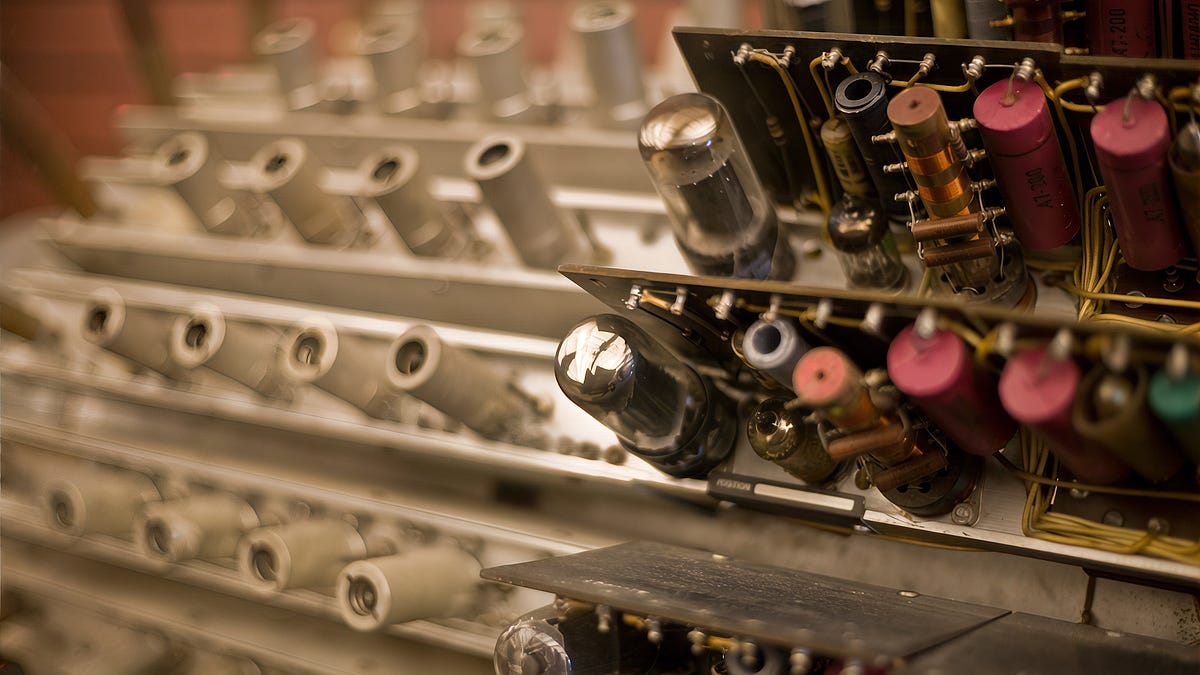
A recent article on the Coredump blog explores the often-overlooked history of Random Access Memory (RAM). While modern computing relies heavily on memory performance, the evolution of RAM is frequently overshadowed by the rapid advancement of processors. The piece traces the technological milestones from early magnetic core memory to the development of modern DRAM architectures. It highlights how the industry shifted from specialized, expensive solutions to the standardized, high-density modules that power today's devices. By examining the engineering challenges and the competitive landscape of the late 20th century, the author provides a comprehensive look at how memory technology became the backbone of the digital age. This historical perspective serves as a reminder that the stability and speed of our current systems are the result of decades of iterative hardware innovation, often occurring behind the scenes of the more publicized CPU wars.
This is a summary. Read the full article at the original source:
Hacker News (YC)Related stories

How to accelerate data processing. Part 1: parallelizing digital circuits via independent operations
YADRO lead engineer Kirill Alekseev has published an article on optimization techniques for FPGA-based digital circuits. The author explores methods f…

This article details the creation of a compact information display for server monitoring using the Waveshare ESP32-S3-ePaper-1.54 board. The device fe…

Amazon is currently offering the Hisense 65-inch E6SR Hi-QLED 4K UHD Smart Roku TV for $399.99, marking its lowest price ever. This deal represents a…