
A Prosthetic for Willpower: Combating Doomscrolling on Desktop

The author shares their personal experience in combating doomscrolling on desktop devices. Unlike mobile platforms, where effective parental control tools exist, it is harder to restrict access to distracting websites on PCs due to the ease of bypassing existing extensions. Inspired by the habit-forming principles from the book 'Atomic Habits,' the author decided to create a system that makes bypassing restrictions as inconvenient as possible, using laziness as a tool for self-control. The solution is Curfew, a browser extension that allows users to set strict daily limits on specific websites. The article explores a structural approach to limiting screen time, focusing not on willpower, but on creating technical barriers that make violating established rules impractical. This approach helps users be more productive and reduce digital stress, turning the browser into a more manageable tool.
This is a summary. Read the full article at the original source:
HabrRelated stories
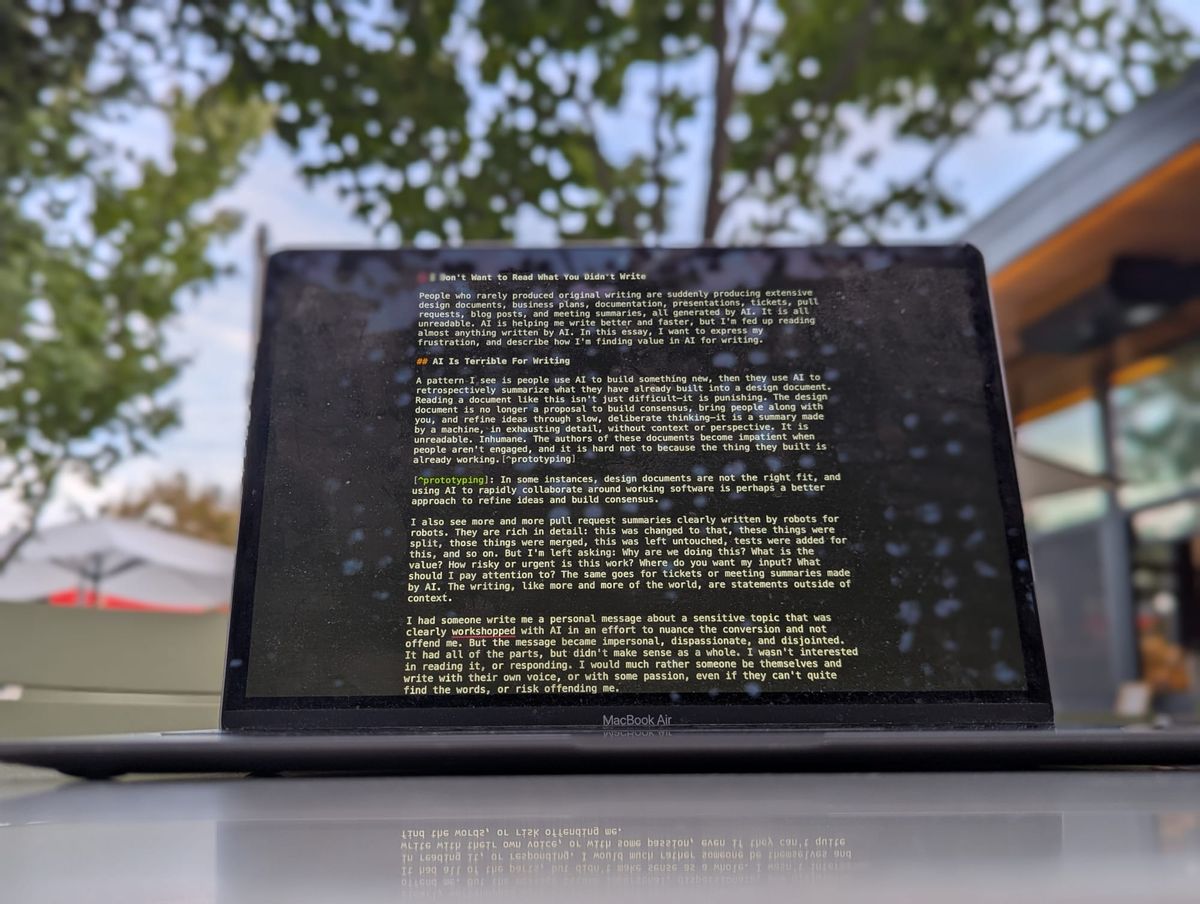
In his recent blog post, Colin Breck addresses the growing trend of using Large Language Models (LLMs) to generate technical content. Breck argues tha…
The creator of the 'Giga Pisar' application, built on Sber's GigaAM speech recognition technology, has summarized the first week following their debut…

This Habr article explores the computer as a fundamental mathematical structure, inviting readers to view computational processes through the lens of…