

This article explores the Pitot tube, an instrument used in aviation to measure flight speed since 1732. Despite technological advancements, modern airliners like the Boeing 787 and Airbus A320 still rely on this method, even though it is susceptible to icing and inherent inaccuracies. The author explains why the instrument's readings intentionally differ from true airspeed and how pilots account for these discrepancies during flight. The piece also examines historical incidents involving sensor failures, the impact of external factors like insects on measurement accuracy, and the evolution of aviation safety standards. The article highlights a paradox: a critical aviation tool remains imperfect, yet its operation remains a fundamental pillar of flight safety, requiring a deep understanding of the underlying physics by the flight crew.
This is a summary. Read the full article at the original source:
HabrRelated stories

AI price gouging might have indirectly hit HP's notebook output as supplier reportedly halted shipment
Reports indicate that Quanta Computer, a major contract manufacturer, allegedly halted HP notebook production for approximately one week in September…

The 2026 UCI Gravel World Championships are set to take place in Nannup, Western Australia, on October 10-11. This marks the fifth edition of the even…
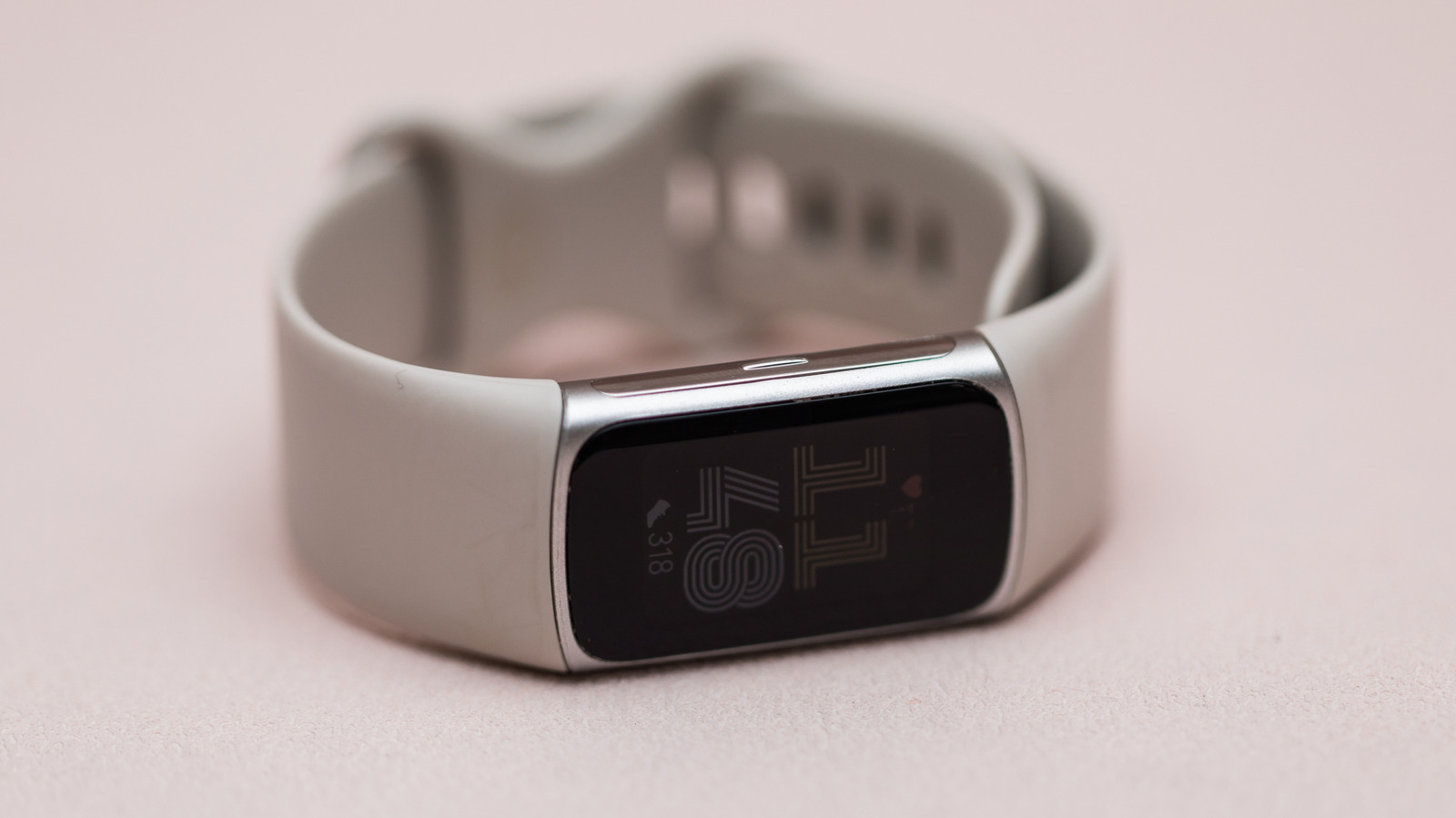
Google teases its new 'Fitbit Edge' wearable ahead of an October 12 reveal
Google has officially confirmed the upcoming launch of its latest wearable device, the 'Fitbit Edge,' through a series of social media teasers. The co…