
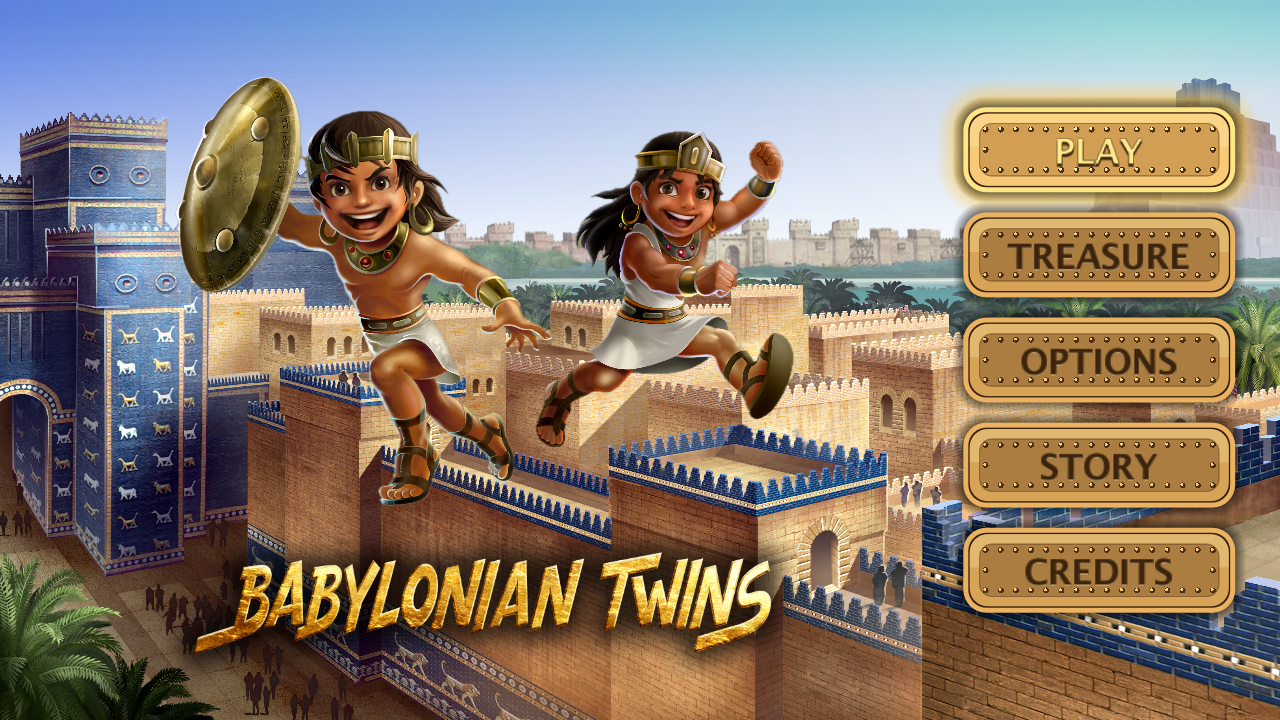
The developer of the 1993 Amiga title 'Babylonian Twins' has shared a detailed account of porting the classic game to the modern Godot engine. A significant challenge in this project was translating the original Motorola 68000 assembly code into a format compatible with modern development environments. To overcome this, the developer utilized Large Language Models (LLMs) to assist in reading, interpreting, and refactoring the legacy assembly instructions. This approach allowed for a more efficient migration process, bridging the gap between decades-old hardware architecture and contemporary game development workflows. The article provides insights into the technical hurdles of retro-game preservation, the utility of AI in reverse engineering, and the practical application of Godot for cross-platform releases. This project serves as a compelling case study for developers looking to modernize classic software while maintaining the integrity of the original gameplay experience.
This is a summary. Read the full article at the original source:
Hacker News (YC)Related stories

The New York Times continues to engage puzzle enthusiasts with its daily Strands game, a popular word-search variant that challenges players to find h…

Sony has clarified its position regarding the future of physical media for video games. While the company maintains its plan to phase out video game d…

PC gaming platform GOG is tapping into nostalgia by introducing a new "Printable Big Box" collection. The initiative allows users to download 3D model…