
Physicist analyzes the physics behind Star Trek’s 'Picard Maneuver'
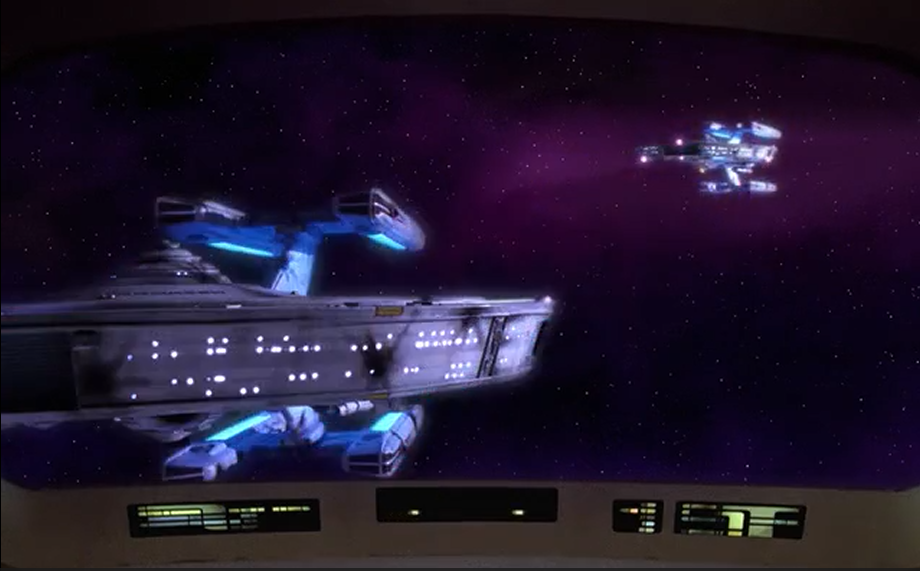
Physicist Níckolas de Aguiar Alves from the Federal University of ABC has conducted a scientific analysis of the famous 'Picard Maneuver' from Star Trek: The Next Generation. In the episode 'The Battle,' Captain Jean-Luc Picard executes a tactical move where his ship, the Stargazer, enters warp speed, stops abruptly, and fires on an enemy. The maneuver relies on the concept that an observer would see two images of the ship due to its faster-than-light travel. Alves discovered that the show’s writers intuitively grasped a complex principle of relativity, though the maneuver is even more nuanced than depicted on screen. By applying formal physics, Alves demonstrates that the tactical advantage is grounded in the way light and information propagate at relativistic speeds. This analysis serves as both a validation of the show's creative writing and an engaging educational tool for explaining the intricacies of Einstein’s theory of relativity.
This is a summary. Read the full article at the original source:
Ars TechnicaRelated stories
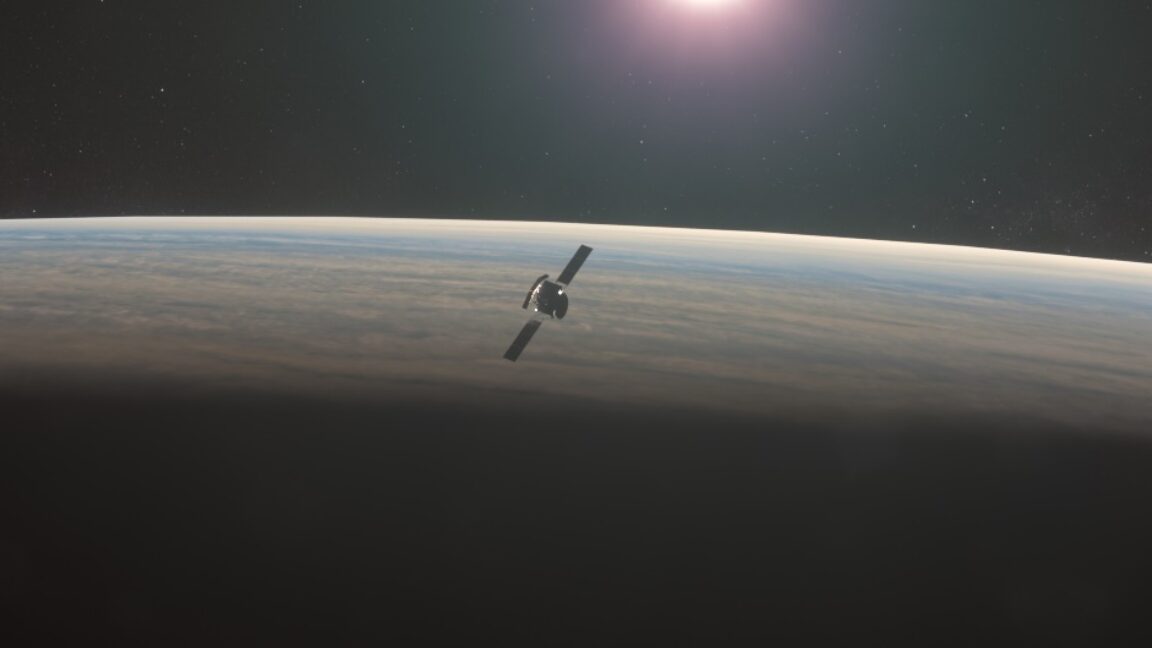
Europe will proceed with Venus mission independently following NASA radar instrument withdrawal
The European Space Agency (ESA) has confirmed it will move forward with its Envision mission to Venus despite NASA’s decision to withdraw its commitme…

This article explores the history of urban planning and the architectural features of Pripyat, the satellite city of the Chernobyl Nuclear Power Plant…

The Download: A 'God-driven' cryptocurrency, solar geoengineering, and energy-efficient chips
This edition of The Download covers a diverse range of technological developments. It highlights the collapse of INDXcoin, a cryptocurrency project ma…