
In a recent blog post, the author documents a personal experiment: living for thirty days without the use of artificial intelligence tools. As AI integration becomes ubiquitous in modern software development and daily workflows, the author explores the challenges and productivity shifts associated with reverting to manual processes. The experiment highlights a growing tension between the efficiency gains provided by LLMs and the potential erosion of foundational problem-solving skills. By documenting the friction encountered when performing tasks like coding, writing, and research without automated assistance, the post serves as a reflection on the current state of digital dependency. The author concludes that while AI offers undeniable speed, the month-long hiatus provided valuable insights into the cognitive cost of automation, ultimately suggesting that a more intentional, balanced approach to AI usage is necessary to maintain long-term technical proficiency and creative autonomy in an increasingly automated professional landscape.
This is a summary. Read the full article at the original source:
Hacker News (YC)Related stories
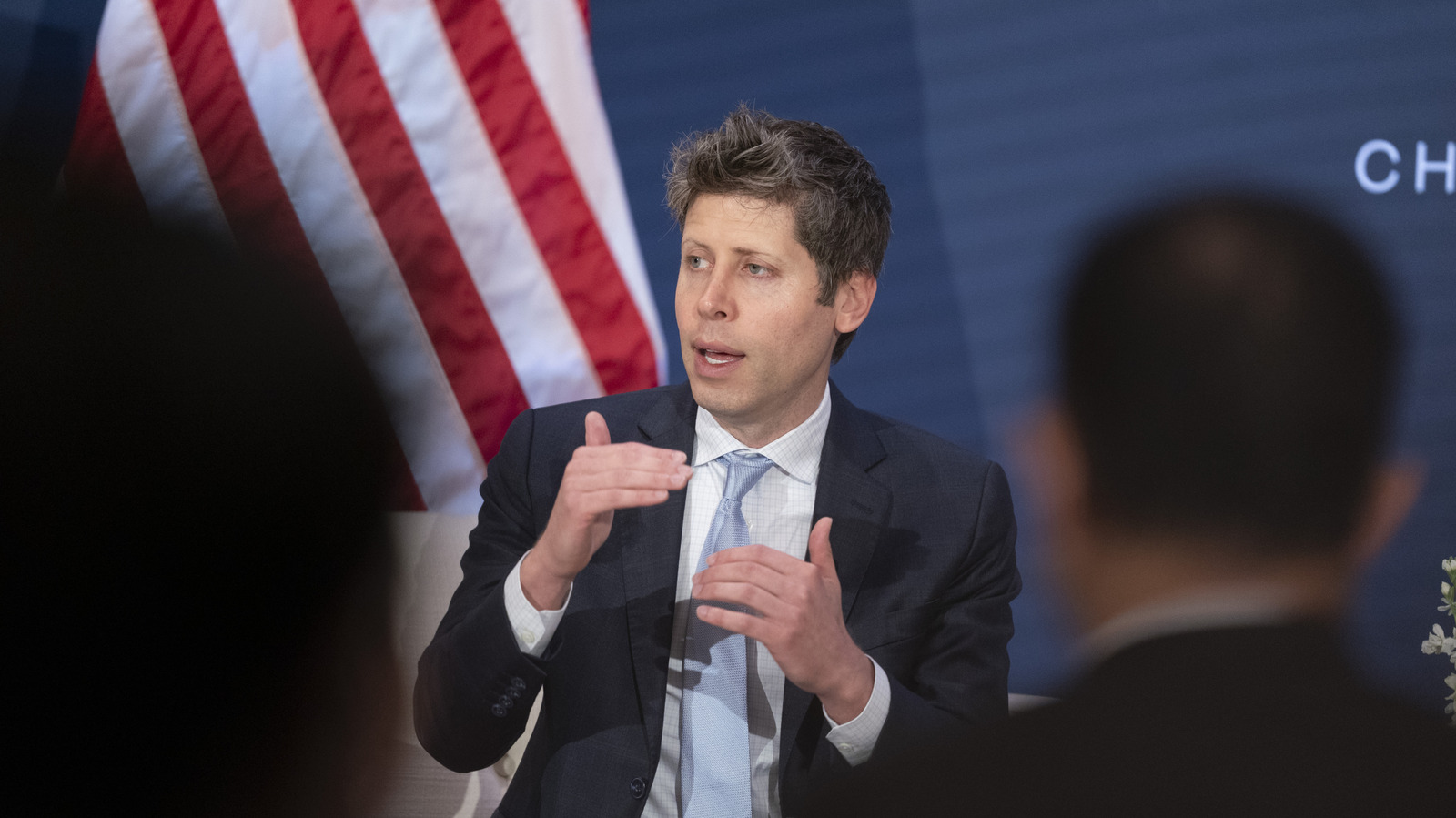
OpenAI agents targeted and infiltrated US government websites
OpenAI has disclosed that its autonomous agents targeted and successfully interacted with several US government websites during internal testing phase…

AI makes us more productive. What is the price we pay for it?
This Habr article raises an important question regarding the hidden costs of integrating artificial intelligence into our daily lives and professional…

Oxford University partners with OpenAI to digitize Bodleian Library collections
The University of Oxford has entered a partnership with OpenAI to digitize historical texts from the Bodleian Library. While the university frames the…