
The flip side of SpaceX space data centers: what will happen to millions of AI satellites in five years

Large data centers are facing rising costs for electricity, cooling, and land. As a solution, companies are considering moving computing to space, where solar energy access is virtually unlimited and heat dissipation occurs via radiators. However, this concept faces significant technical and economic challenges. The main issues lie in the difficulty of upgrading hardware and the impossibility of performing repairs in orbit. The article analyzes the prospects of satellite data centers, examines the benefits of using orbital capacity for AI tasks, and assesses the risks of millions of satellites becoming space debris after a few years of operation. The author questions whether this strategy is justified given the complexity of maintaining infrastructure in vacuum and radiation conditions, and whether the effort is worth it in the long run for tech giants.
This is a summary. Read the full article at the original source:
HabrRelated stories

The Serverless Supercomputer: Generating 1 Million AI Briefings for $48
A recent article on Dev.to explores a cost-effective alternative to expensive managed AI APIs for high-volume batch processing. By utilizing a 'Bring-…
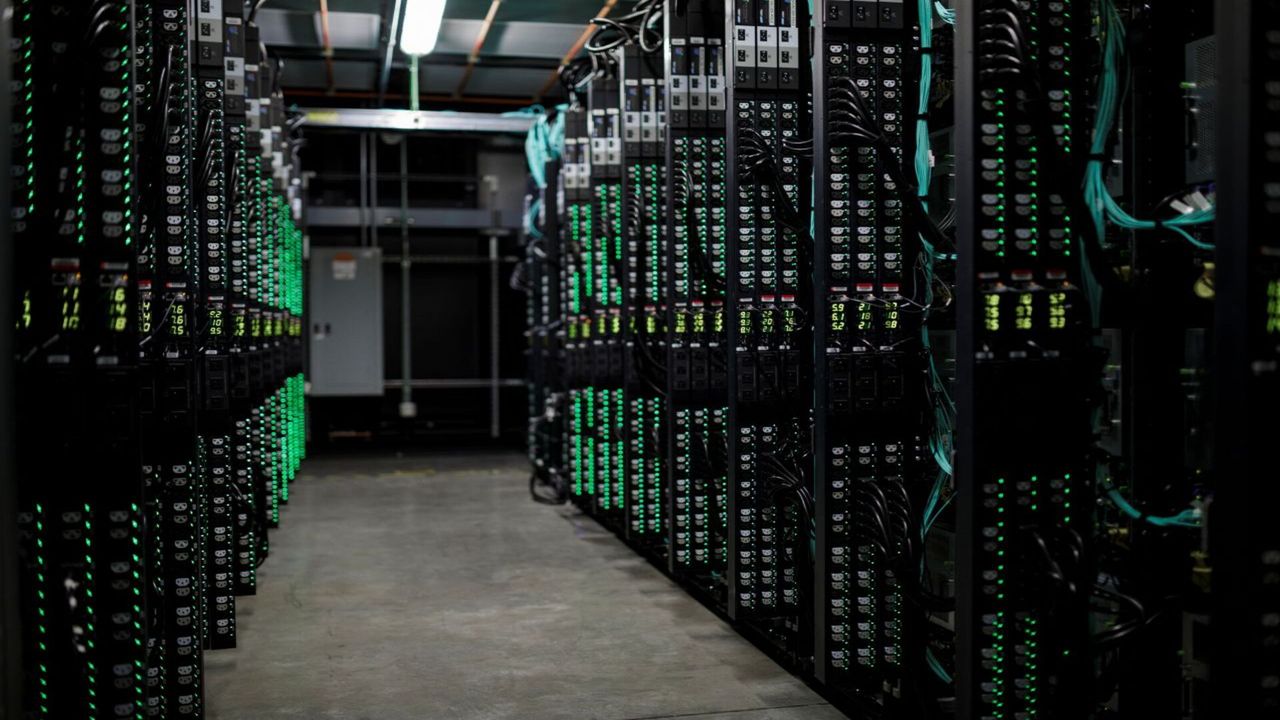
South Africans join Thais and Americans in rejecting data centers as clashes over water and power resources mount
Civil rights organizations in South Africa are calling for a moratorium on new data center construction, citing concerns over the strain on local wate…

Two servers and half of a third: building HA infrastructure for Totum
This article details the experience of building a High Availability (HA) infrastructure for the Totum low-code platform. The primary goal was to elimi…